


Kegel balls for pelvic floor exercises
Kegel balls are a proven method for targeted training of your pelvic floor muscles. A strong pelvic floor helps with bladder control, recovery after pregnancy, and can enhance sensation during intimate moments. Our selection includes Kegel balls in various weights and shapes, ranging from lightweight starter models to heavier options for advanced training. All products are made from body-safe materials such as medical-grade silicone and are discreetly delivered to your home.
8 Items
Buying Kegel balls: everything you need to know
Kegel exercises are named after gynecologist Arnold Kegel, who discovered in the 1940s that targeted exercises of the pelvic floor muscles can make a big difference for conditions such as urinary incontinence and reduced sensation in the pelvic area. Kegel balls make this training easier and more effective than exercises without an aid, because they provide resistance that your muscles must actively work against.
What exactly are Kegel balls?
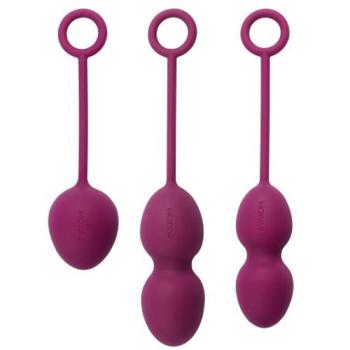
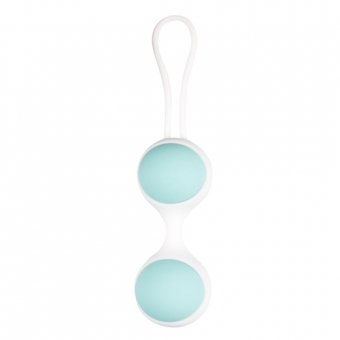
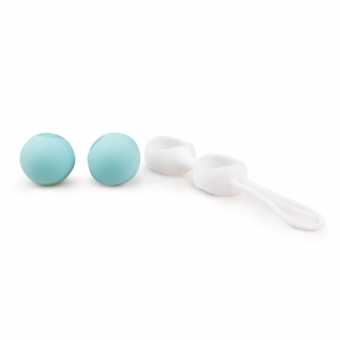
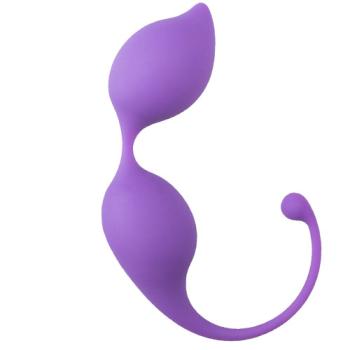
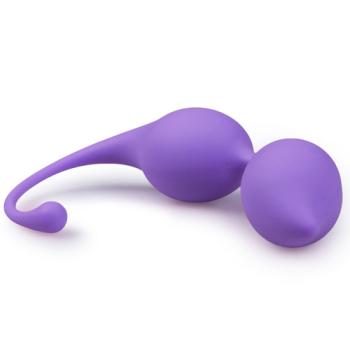
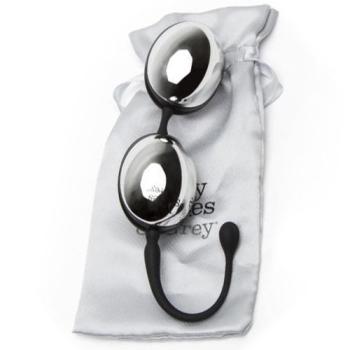
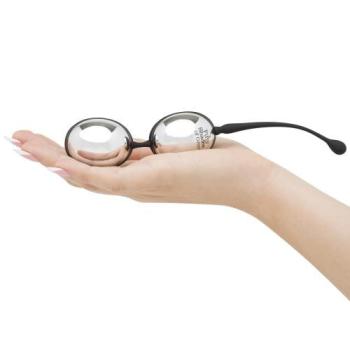
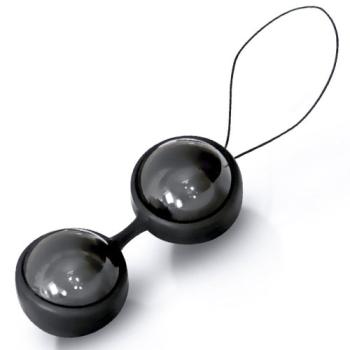
Kegel balls, also known as geisha balls, Ben Wa balls, or vaginal balls, are small weights that you insert vaginally. Most models contain a separate counterweight that shifts slightly with every movement. This means your pelvic floor muscles must constantly contract to keep the balls in place. That turns daily activities like walking or doing housework into an effective workout. Most Kegel balls are connected by a silicone cord for easy and safe removal.
Why pelvic floor training is so important
The pelvic floor is a group of muscles that lies at the bottom of your pelvis like a hammock. These muscles support your bladder, uterus, and intestines, and play a role in opening and closing the urethra, vagina, and anus. When these muscles weaken, symptoms can arise that are bothersome on a daily basis.
Common reasons to start pelvic floor training include light urine leakage when coughing, sneezing, or exercising; recovery after childbirth; reduced sensation during sex; or preventive training for high-intensity sports such as running or fitness. Hormonal changes associated with menopause can also weaken the pelvic floor, making targeted training especially valuable during that stage of life.
Types of Kegel balls and pelvic floor trainers
There are various types of Kegel balls available, each with its own benefits.
Single Kegel balls
A single ball is best suited as a starting point. It’s lighter, allowing you to get used to the sensation without it feeling overwhelming. Common weights range from 25 to 50 grams.
Double Kegel balls
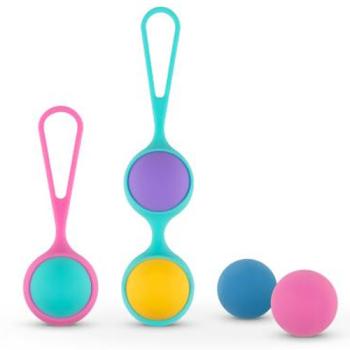
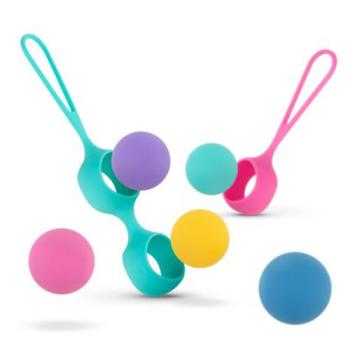
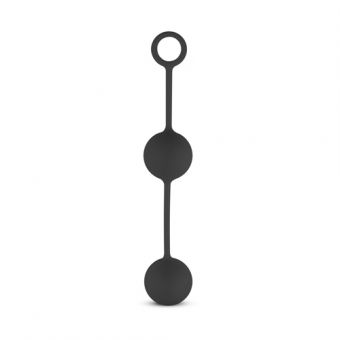
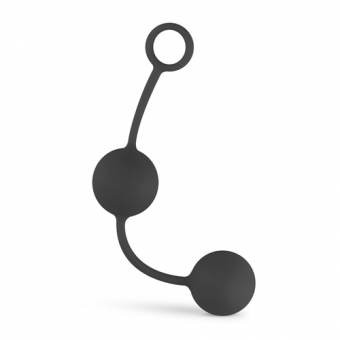
Two balls on a string make up the classic model. The total weight is higher, and the two counterweights provide more internal stimulation. This type is suitable if you already have some experience with pelvic floor training.
Training sets with increasing weights
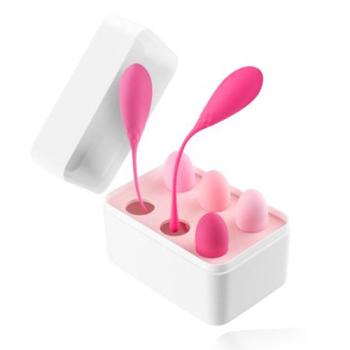
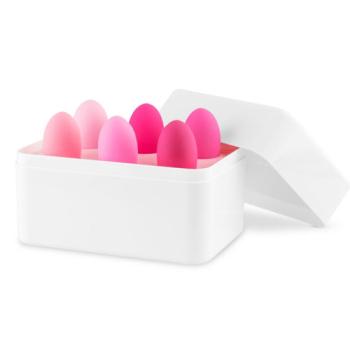
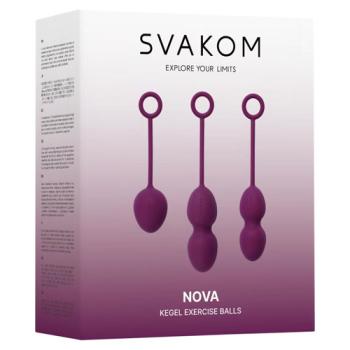
A complete set usually contains three to six balls with different weights, for example ranging from 25 grams to 90 grams or more. This allows you to build up as your pelvic floor muscles get stronger, similar to progressive overload in strength training.
Vibrating Kegel balls
Some models have a built-in motor with multiple vibration settings. The vibrations provide extra stimulation to the muscles and can also be arousing. Many vibrating models are USB-rechargeable and waterproof for use in the shower.
Choosing the right weight and size
Choosing the right starting weight depends on your current pelvic floor muscle strength. As a rule of thumb: larger and lighter balls are easier to hold, while smaller and heavier balls require more strength. After childbirth or as you age, it’s best to start with a larger, lighter model (around 25 to 40 grams). If you have no specific symptoms and are training for prevention, you can start with a medium weight (around 50 to 70 grams). Experienced users can progress to balls weighing 90 grams or more.
In terms of diameter, most Kegel balls range from 2.5 to 3.5 cm. A slightly larger ball is generally more comfortable to insert and easier to hold for those who are not yet used to it.
Materials and Safety
Body-safe material is essential for products used vaginally. Medical-grade silicone is the gold standard: it is hypoallergenic, phthalate-free, non-porous, and easy to clean. Some Kegel balls are made of ABS plastic with a silicone coating, which is also safe. Avoid products made of porous materials like jelly or rubber, as they can trap bacteria. All the Kegel balls we offer are made from body-safe materials.
How to use Kegel balls: step by step
Make sure your bladder is empty before you begin. Wash your hands and the Kegel balls with lukewarm water and mild soap. Apply a small amount of water-based lubricant to the ball and to yourself. Never use silicone-based lubricant with silicone Kegel balls, as this can damage the material.
Gently insert the ball or balls, similar to inserting a tampon. The pull cord remains outside the body. The balls do not need to be inserted deeply; they will mostly find the correct position on their own. Then stand up or walk. Your pelvic floor muscles will automatically activate to hold the balls in place.
Start with sessions of 10 to 15 minutes per day and gradually build up to 30 minutes. After the workout, remove the balls by gently pulling on the cord, possibly with light pushing as when using the restroom. Clean the balls immediately after use with lukewarm water and mild soap or a special toy cleaner. Store them in a dry, dust-free place.
Training Schedule for Results
Just like with regular strength training, consistency is the key to results. Train three to five times a week with your Kegel balls. Most women notice an improvement in muscle strength and control within four to six weeks. Combine wearing Kegel balls with active squeeze-and-release exercises: tighten your pelvic floor muscles for five seconds, relax for five seconds, and repeat this ten times. Do three sets per training session.
When the current balls stay in place effortlessly while walking or during light activity, it’s time to switch to a heavier weight or a smaller diameter.
Frequently Asked Questions About Kegel Balls
Can Kegel balls get stuck?
No. The vagina is not an open space where something can disappear into. The cervix forms a natural barrier. You can easily remove the balls using the pull cord. In the unlikely event that the cord is no longer accessible (which is very unlikely with quality products), you can push the balls out by gently bearing down as if going to the bathroom, in a squatting position.
Can you exercise with Kegel balls?
Light activities such as walking, yoga, and housework are fine. For intense exercise such as running or working out, it’s wise to first gain experience with the balls during gentler activities. Once your pelvic floor muscles are strong enough, you can also wear the balls during more strenuous exercise.
Are Kegel balls suitable after childbirth?
Yes, but wait at least six weeks after giving birth and always consult your midwife or doctor first. Start with the lightest weight and build up very gradually. Pelvic floor training after childbirth is recommended by many healthcare professionals.
How often should you clean Kegel balls?
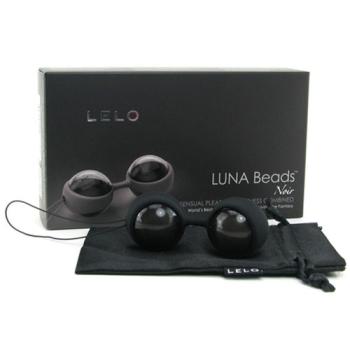
Clean them before and after each use with lukewarm water and mild soap. Let them dry completely before storing them. Store them preferably in the included pouch or box, separate from other products.
Order discreetly at Dutch-smart.nl
All orders are shipped in discreet packaging. The contents are not visible on the outside of the package. We ship via PostNL, ensuring your package is delivered to you quickly and reliably. Do you have questions about which Kegel balls are best for you? Please contact us; we’re happy to help.
