


Kratom
Kratom (Mitragyna speciosa) is a plant native to Southeast Asia that belongs to the Rubiaceae family, the same family as the coffee plant. The dried leaves contain more than 40 alkaloids, of which mitragynine and 7-hydroxymitragynine are the most active. Dutch-Smart offers kratom in powder form, as a concentrated extract, and as a liquid tincture. All kratom is tested for quality and purity before it goes on sale. Suitable only for individuals 18 years of age and older.


Kratom Varieties by Color
Kratom leaves are classified based on the color of the veins in the leaf. Each color has its own alkaloid profile and, therefore, different properties.
Red Vein kratom is known for its relaxing effects. The red varieties, such as Maeng Da Red, Borneo Red, and Thai Red, typically have a higher content of 7-hydroxymitragynine. Many users choose Red Vein kratom for the evening hours.
Green Vein kratom offers a balanced experience. Varieties such as Maeng Da Green, Borneo Green, and Thai Green combine mildly stimulating and relaxing properties. Green Vein is a popular choice for daytime use.
White Vein kratom is the most stimulating of the three. Maeng Da White, Borneo White, and Thai White are often chosen for a more energizing effect.
Kratom Varieties by Origin
In addition to color classification, kratom is categorized by region of origin. The soil, climate, and growing conditions influence the alkaloid profile of the leaves, causing each region to produce kratom with slightly different properties.
Maeng Da kratom is considered the strongest kratom variety. The name "Maeng Da" is Thai and refers to its high potency. Available in Red, Green, White, and Super Green varieties.
Bali kratom is one of the most widely used kratom varieties in the world. Bali varieties are known for their broad spectrum of effects and are an accessible choice for those trying kratom for the first time.
Borneo kratom comes from the island of Borneo and contains relatively high concentrations of 7-hydroxymitragynine. Available in Red, Green, and White.
Thai kratom originates from Thailand, the country where kratom has historically been most widespread. Available in Red, White, and Green.
Stem and Vein kratom is made from the stems and veins of the leaf rather than the leaf tissue itself. This results in a milder alkaloid profile with a different balance of active compounds than regular kratom powder.
Kratom product forms
Kratom powder: The most commonly sold form. Suitable for making tea or mixing into smoothies. Offers the most flexibility in dosing and is the most traditional preparation method.
Kratom extracts: A concentrated form in which the active compounds of the leaf have been concentrated. Available in various strengths and as a resin extract. Require a lower dosage than powder.
Kratom tinctures: Liquid extracts that are quickly absorbed. Easy to use, without the bitter taste of powder. Available in, among others, Maeng Da Liquid and liquid full-spectrum extracts.
Kratom extracts and tinctures
In addition to kratom powder, Dutch-Smart carries concentrated extracts and liquid tinctures. Kratom extracts are available in various strengths. The "X" indicates how many kilograms of leaf material were used to produce one kilogram of extract: a 50X extract is significantly more concentrated than standard powder.
The range includes: Bali Red 20X extract, a potent variant of the popular Bali powder. Borneo Red 30X extract for those looking for something stronger. Maeng Da Red 50X extract, the strongest powder extract in the range. Bali resin extract (15 grams), a traditional preparation. And Thai resin extract (5 grams).
The kratom tinctures are liquid extracts that are quickly absorbed. Available options include Kratom X Blue Lilly liquid, Kratom Maeng Da Liquid, and the Maeng Da 3:1 extract (5ml).
Active compounds in kratom
Kratom leaves contain more than 40 different alkaloids. The two most important are mitragynine and 7-hydroxymitragynine. Mitragynine typically accounts for 60–66% of the total alkaloid content and is responsible for most of the effects. 7-hydroxymitragynine is present in much smaller quantities but is estimated to be 13 times more potent than mitragynine.
These alkaloids bind to the mu-opioid receptors in the brain, but also act on adrenergic, noradrenergic, and serotonergic receptors. This explains why kratom can have a stimulating effect at lower doses and a sedative effect at higher doses.
Origin of kratom
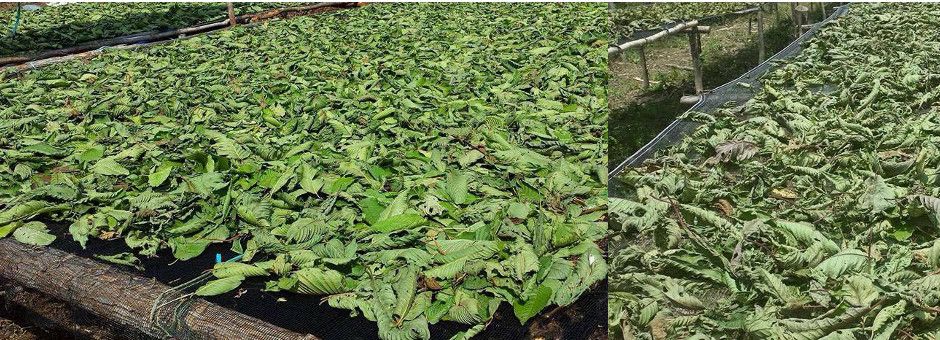
Kratom is native to Southeast Asia, particularly Thailand and Malaysia. The Mitragyna speciosa tree can reach heights of over 25 meters in its natural habitat. For many centuries, the leaves have been chewed in Southeast Asia, primarily to combat fatigue. In some areas of Thailand, an estimated 70% of men chew kratom daily, in amounts ranging from 10 to 60 leaves per day. It is primarily the large, mature leaves that contain the highest concentrations of active alkaloids.
Methods of use
Kratom tea: Dissolve kratom powder in hot water, let it steep for 10 to 15 minutes, and strain it. This is the most popular preparation method in the Netherlands. Add honey or lemon if desired to soften the bitter taste.
Toss and wash: Take a measured amount of powder in your mouth and wash it down with water or juice. Quick, but the taste is intense.
Mixing into beverages: Kratom powder mixes well into smoothies, yogurt, or fruit juice. This largely masks the taste.
Tinctures and liquid extracts: Kratom tinctures are ready to use. A few drops under the tongue are sufficient.
Dosage
The correct kratom dosage is personal and depends on factors such as body weight, experience, and the desired effects. As a general guideline: at 1 to 3 grams, most people experience a mild stimulating effect with increased alertness. At 3 to 5 grams, a balance between stimulation and relaxation is achieved. At 5 to 8 grams, the relaxing and calming effect predominates. Extracts are significantly more concentrated and require a considerably lower dosage than powder.
Always start with a low dose, especially with a new kratom strain. The effects are usually noticeable after 15 to 30 minutes and last 3 to 6 hours, depending on the dose and the type of kratom.
Responsible Use and Side Effects
Some users report mild nausea or headaches at the onset, which usually subside quickly. Daily use of large amounts is not recommended. Regular use can lead to tolerance, meaning you’ll need more and more to achieve the same effect. Do not operate vehicles or heavy machinery after using kratom. Do not combine kratom with alcohol, medications, or other psychoactive substances. Kratom is not suitable for pregnant women, breastfeeding women, or individuals under the age of 18.
Quality and Certification
Dutch-Smart is HACCP-certified and is supervised by the NVWA. As a member of the VLOS, the product range meets the applicable quality standards for smart shop products. All orders are shipped quickly and discreetly via PostNL. If you have questions about the product range or the use of kratom, please contact us.
Frequently Asked Questions About Kratom
What is the difference between Red, Green, and White Vein kratom?
The color refers to the vein color in the leaf and is related to the alkaloid profile. Red Vein typically has a higher content of 7-hydroxymitragynine and has a more relaxing effect. White Vein is the most stimulating. Green Vein falls in between and combines mildly stimulating and relaxing properties.
What is the difference between kratom and a kratom extract?
Kratom powder is the dried and ground leaf of the Mitragyna speciosa tree. An extract is a concentrated form in which leaf material has been concentrated to a higher alkaloid concentration. A 20X extract contains the active compounds of 20 kilograms of leaf material per kilogram of final product. Extracts require a lower dosage and are less suitable for beginners.
How quickly does kratom work?
The effects are usually noticeable after 15 to 30 minutes. With liquid tinctures, this can be faster, because the liquid is absorbed more quickly than powder. The effects last an average of 3 to 6 hours, depending on dosage, type, and personal factors.
Can kratom be combined with other substances?
Do not combine kratom with alcohol, MAO inhibitors, benzodiazepines, or other psychoactive substances. Kratom acts on opioid receptors and may interact with various medications. If in doubt, consult a doctor before using kratom in combination with medication.
Is kratom legal in the Netherlands?
Kratom (Mitragyna speciosa) is not listed on the Dutch opium list and is legal to possess and purchase in the Netherlands. Dutch-Smart sells kratom as a botanical product under the supervision of the NVWA and in compliance with VLOS requirements.

