


Rapé
Rapé at Dutch-Smart
Rapé (also known as rapeh or hapé, pronounced "ha-pee") is a shamanic herbal powder made from Mapacho tobacco, originating from indigenous tribes in the Amazon region. Our selection includes more than 20 authentic rapé blends from tribes such as the Yawanawa, Katukina, Nukini, and Huni Kuin, each with its own unique composition and character. We also sell Kuripe and Tepi applicators for nasal administration. For adults 18 years of age and older only.
26 Items
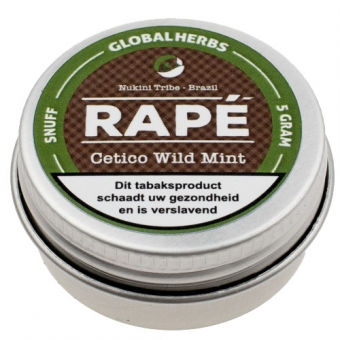
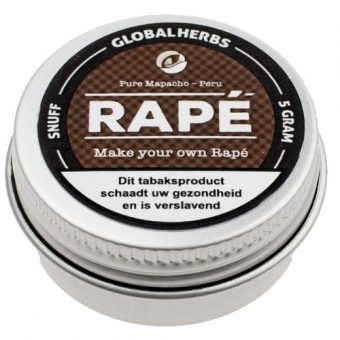
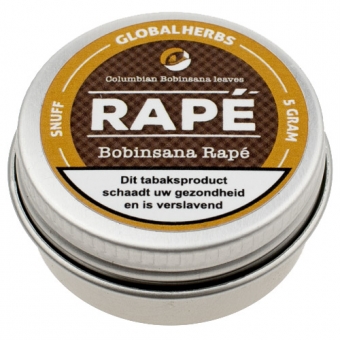
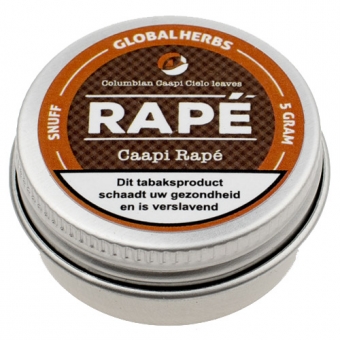
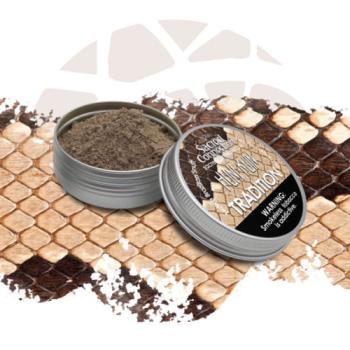
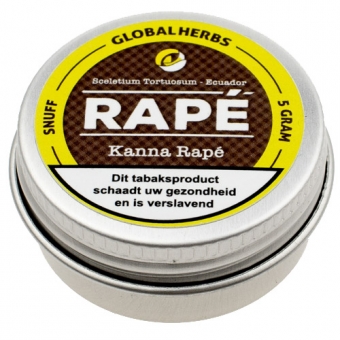
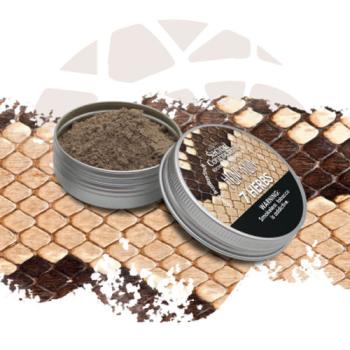
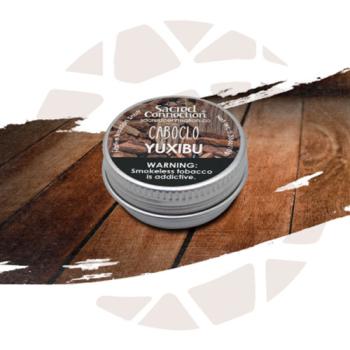
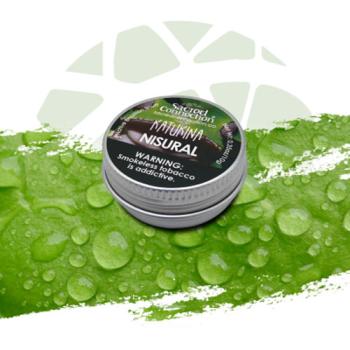
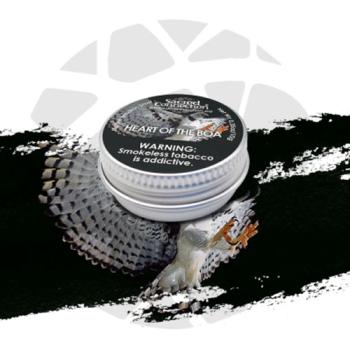
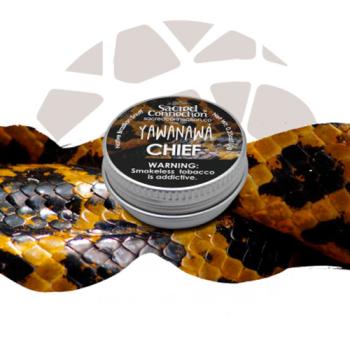
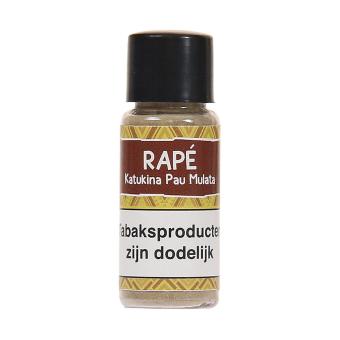
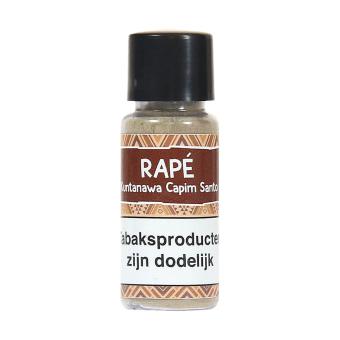
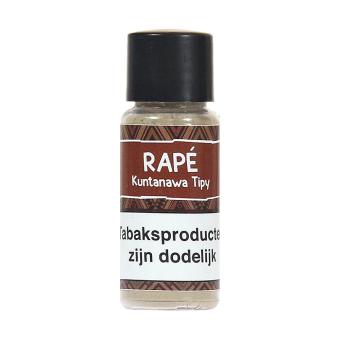
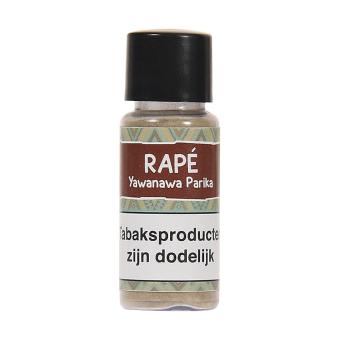
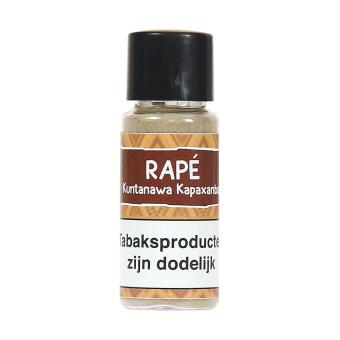
What is rapé?
Rapé (also spelled rapeh, hapé, or hapeh) is a finely ground herbal powder that is inhaled through the nose. The base of virtually all rapé blends is Nicotiana rustica (Mapacho), a type of tobacco that is significantly stronger than regular cigarette tobacco. Medicinal plants, tree bark, herbs, or ashes are added to this base. Each tribe has its own recipes that are passed down from generation to generation. The use of rapé is similar to European snuff, but the composition and ritual context are fundamentally different. The indigenous name for this shamanic snuff is Romé Potó.
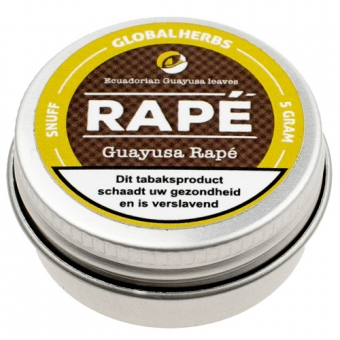
The origins of rapé lie with the indigenous peoples of the Brazilian Amazon region. The use of snuff in South America dates back at least 5,000 years. The first European accounts of nasal tobacco consumption date from the time of the Incas, who ground plant roots into a fine powder and used it as snuff to “clear the head.” Brazilian tribes such as the Yawanawa, Katukina, Nukini, Huni Kuin, and Kuntanawa each developed their own specific blends. The preparation is a traditional process: Mapacho tobacco is finely pounded by hand together with ash from selected tree species, after which the mixture is sifted through a fine mesh to produce a powder of around 125 microns. Some blends contain Banisteriopsis Caapi (the ayahuasca vine), while others incorporate Kanna (Sceletium tortuosum), Bobinsana, Guayusa, or Matico. Rapé has now found its way to Europe, where it is used in ceremonial and meditative contexts.
How do you use rapé?
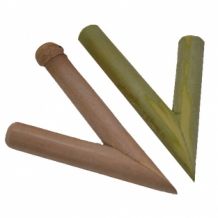
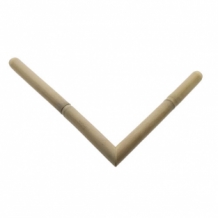
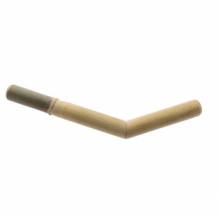
Rapé is ingested through the nose using an applicator. There are two types: a Kuripe for self-administration (a V-shaped tube that connects the mouth and nostril) and a Tepi, which allows another person to administer the rapé to you. With a Kuripe, you blow the powder into your nostril yourself; with a Tepi, a second person does this. Many users prefer a Tepi because it allows you to be completely relaxed during administration. Rapé is not snorted like conventional snuff; it is blown into the nostril with a short, forceful puff.
Always start with a small amount, especially if you have no prior experience with rapé. Use rapé on an empty stomach and when you feel well. The effects kick in almost immediately and typically last 15 to 30 minutes. Some users describe an intense, cleansing sensation followed by a feeling of clarity and focus. Others experience nausea or sneezing, which is considered part of the cleansing process.
Tribes and Their Rapé Traditions
Every Amazonian tribe has its own rapé tradition with unique recipes, preparation methods, and ceremonial practices. Most tribes that produce rapé for export today are based in the state of Acre, in northwestern Brazil, near the Peruvian border. The Yawanawa are one of the best-known rapé producers. They live along the Gregório River and are known for potent, purifying blends made from Tsunu tree bark. Their Forca Feminina rapé, prepared by female tribe members, is one of the few rapé varieties produced by women.
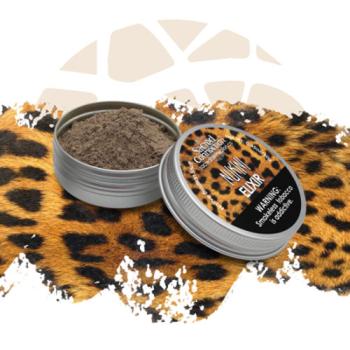
The Katukina live in the Juruá River region and produce blends characterized by a balanced, purifying quality. Their rapé is traditionally used for energetic cleansing and balance. The Nukini, originating from the Serra do Divisor near the Peruvian border, are known for more intense blends that, according to tradition, open the “third eye.” The Huni Kuin (also known as Kaxinawá) are one of the largest indigenous groups in Acre. After administering rapé, they say “Haux Haux,” which loosely translates to “let the healing come.” The Kuntanawa, a smaller tribe from the same region, produce rapé using wild propolis from forest bees, among other ingredients.
Preparation of rapé
Traditional rapé preparation is a time-intensive, artisanal process carried out in many tribes by the Pajé (shaman) or by experienced male tribal members. The base is Nicotiana rustica, a tobacco variety that contains up to twenty times more nicotine than regular cigarette tobacco. The dried tobacco leaves are finely ground together with ash from specific tree species in a wooden mortar. The choice of tree ash largely determines the character of the rapé: Tsunu ash (Platycyamus regnellii) imparts a powerful, purifying profile, while Cumaru ash has a more meditative, protective character. After pounding, the mixture is repeatedly sifted through a fine mesh until it becomes a powder of approximately 125 microns, finer than flour. Medicinal plants such as Bobinsana, Guayusa, Matico, or Banisteriopsis Caapi are added to some blends. Among many tribes, the preparation is accompanied by ceremonial songs (icaros) and prayers, which, according to tradition, enhance the healing properties of the rapé.
Our rapé assortment
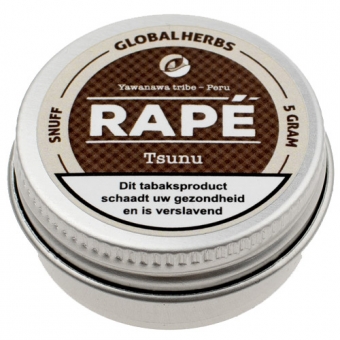
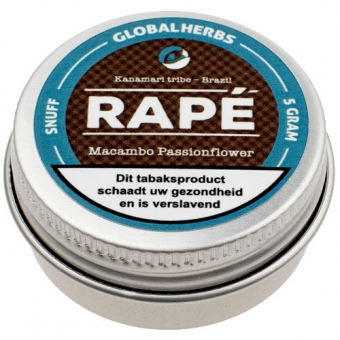
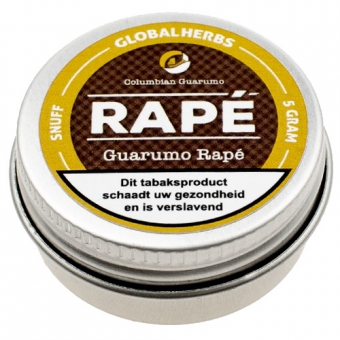
We carry rapé blends in 5-, 7-, and 10-gram packages from various Brazilian tribes. Each blend has its own character: the Rapé Tsunu from the Yawanawa is known for its powerful purifying effect, while the Rapé Macambo with passionflower from the Kanamari has a more soothing character. For those who prefer to experiment with their own blends, we offer Pure Mapacho as a base material.
You’ll also find related products in our selection. Our ayahuasca herbs include Banisteriopsis Caapi, the same plant used in some rapé blends. Those interested in Kanna (Sceletium tortuosum) will find both loose kanna powder and a rapé variant containing kanna in our selection. You’ll find additional accessories in the snuff products category of our headshop.
Safe Use and Precautions
Rapé contains Nicotiana rustica, a tobacco variety with a high nicotine content. Excessive use or use by individuals sensitive to nicotine may cause dizziness, nausea, or an increased heart rate. Do not use rapé in combination with MAO inhibitors, as some blends contain Banisteriopsis Caapi, which has MAO-inhibiting properties. Rapé is not suitable for pregnant women, individuals with heart or vascular conditions, or individuals under the age of 18.
Frequently Asked Questions About Rapé
Is rapé legal in the Netherlands?
Yes, rapé is completely legal in the Netherlands. The ingredients are not subject to the Opium Act. However, the product does contain tobacco (Nicotiana rustica), which is subject to standard tobacco legislation.
What is the difference between rapé, rapeh, and hapé?
They refer to the same product. Rapé is the original Portuguese spelling, rapeh is the anglicized variant, and hapé (or hapeh) comes from the pronunciation: the Portuguese R sounds like an H, hence “ha-pee.” The indigenous Brazilian name is Romé Potó. In practice, all these terms are used interchangeably.
What is the difference between a Kuripe and a Tepi?
A Kuripe is a V-shaped pipe for self-administration, where you blow the powder into your own nostril. A Tepi is a longer, straight pipe used by a second person to administer the rapé to you. A Tepi is often recommended for beginners because the dosage can be controlled more precisely.
How do I store rapé?
Store rapé in a dry, cool place in an airtight container. Moisture is rapé’s biggest enemy; it causes the powder to clump together and lose its fine texture. When stored properly, rapé can last for months.
Which rapé is suitable for beginners?
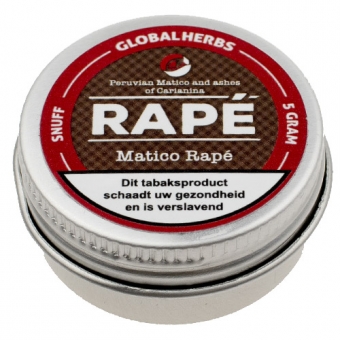
The milder blends, such as Rapé Macambo with passionflower or Rapé Matico, are a good starting point. Always begin with a small amount to see how you react, and gradually work your way up to stronger varieties if desired. Do you have questions about which one to choose? Please contact our customer service.
What is rapé used for in ceremonies?
In the Amazonian tradition, rapé is used as a plant medicine for cleansing (both physical and energetic), strengthening focus and intention, and establishing a spiritual connection. Tribes use rapé in coming-of-age rituals, healing ceremonies, and as preparation for ayahuasca ceremonies. In Europe, rapé is primarily used in ceremonial and meditative contexts.

