


Mescaline cacti
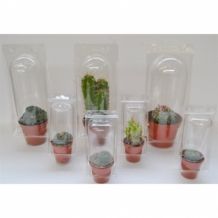
At Dutch-Smart, you’ll find an extensive selection of mescaline cacti: from Peyote (Lophophora williamsii) and San Pedro (Trichocereus pachanoi) to Peruvian Torch and Bolivian Torch. We sell live cacti, cuttings, grow kits, and seeds. All cacti are carefully packaged and shipped via PostNL. This product is intended exclusively for cultivation purposes and for individuals 18 years of age and older.
42 Items

 cristaat.jpg)
Mescaline Cacti: History and Varieties
Mescaline cacti are among the oldest psychoactive plants known to humankind. Archaeological finds in Mexico and Peru point to ritual use dating back at least 5,700 years. The active alkaloid mescaline (3,4,5-trimethoxyphenethylamine) was first isolated in 1897 by the German chemist Arthur Heffter and synthesized in 1918 by Ernst Späth. Since then, mescaline has been extensively studied in psychopharmacology.
Peyote (Lophophora williamsii)
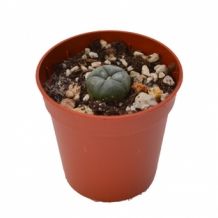
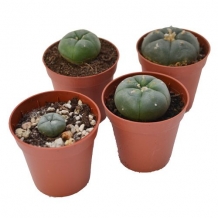
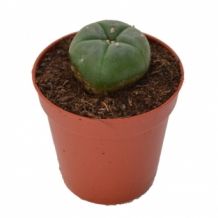
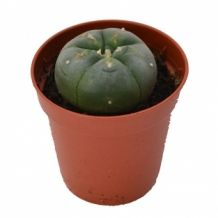
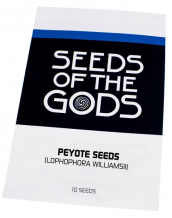
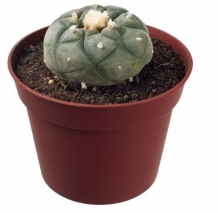
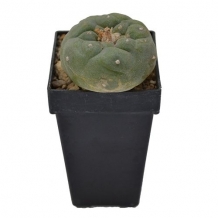
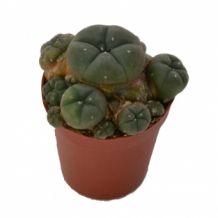
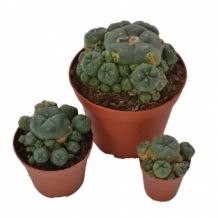
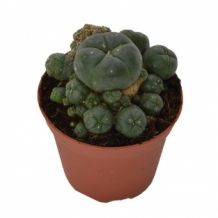
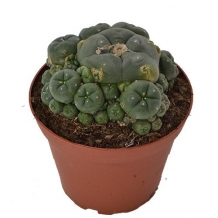
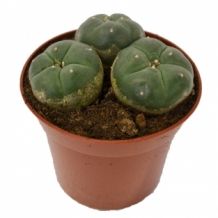
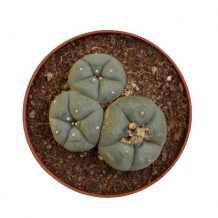
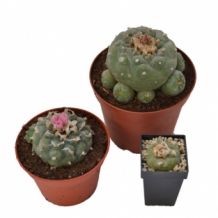
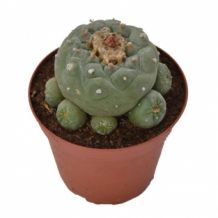
Peyote is a small, round, spiny cactus native to northern Mexico and southern Texas. The cactus grows slowly; on average, it takes five to ten years for a peyote grown from seed to reach a diameter of a few centimeters. Peyote contains the highest mescaline content of all known cacti and has played a central role for centuries in the religious ceremonies of, among others, the Huichol and the Native American Church. We sell peyote as seeds and as live cacti ranging in size from 1 to 10.5 cm, including clusters and grafted varieties. We also carry Lophophora fricii and Lophophora decipiens, two related species, each with its own alkaloid profile.
San Pedro (Trichocereus pachanoi)
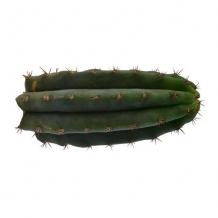
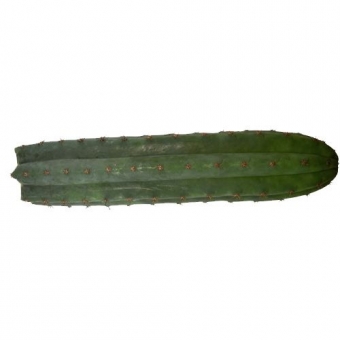
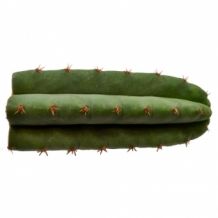
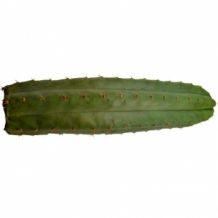
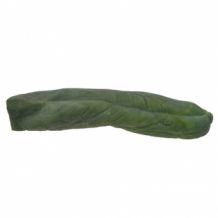
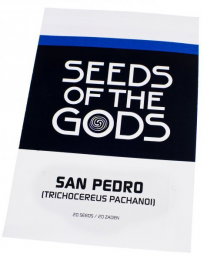
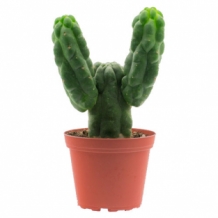
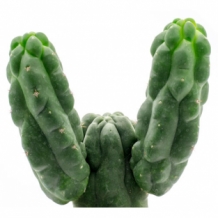
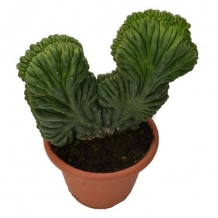
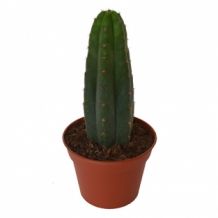
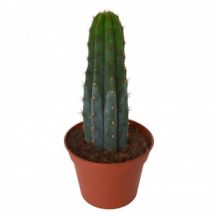
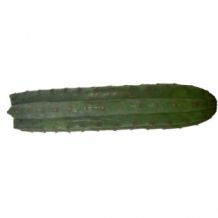
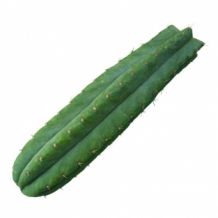
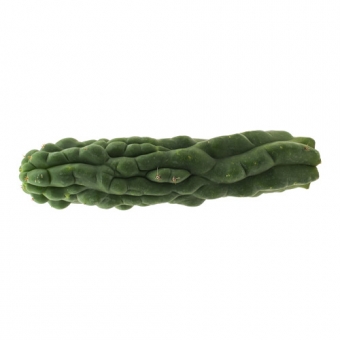
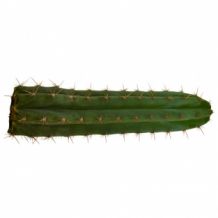
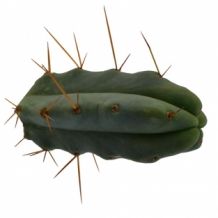
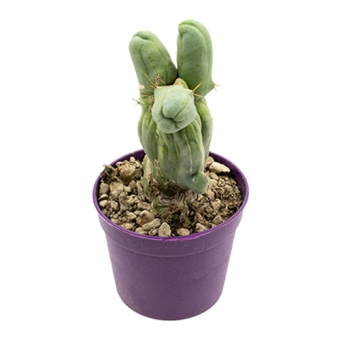
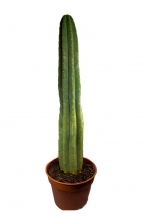
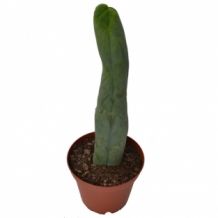
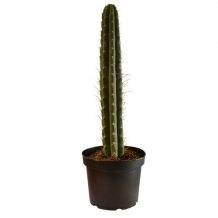
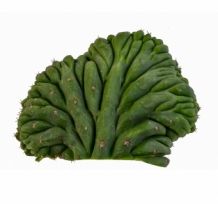
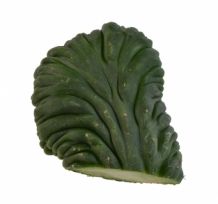
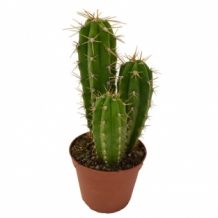
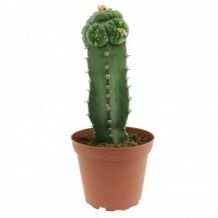
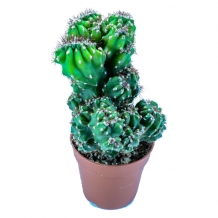
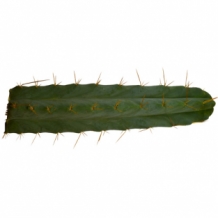
San Pedro is a columnar cactus from the Andes that grows significantly faster than Peyote. Under good conditions, a San Pedro can grow 10 to 50 cm per year. The Spanish name refers to Saint Peter, the keeper of the keys to heaven, which speaks to this cactus’s reputation in traditional Andean medicine. We offer San Pedro as seeds, as cuttings ranging from 10 to 60 cm, and as potted plants. Notable varieties in our selection include the San Pedro Cristaat and the San Pedro Monstrose.
Peruvian Torch and Bolivian Torch
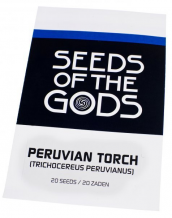
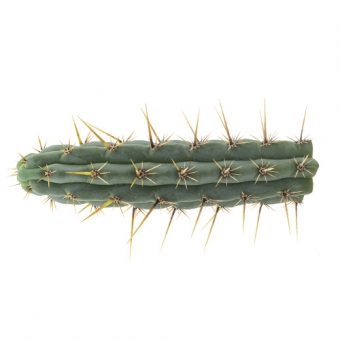
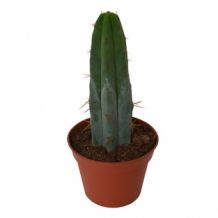
The Peruvian Torch (Trichocereus peruvianus) is closely related to the San Pedro and has a similar alkaloid profile. It is recognizable by its blue-green color and longer spines. The Bolivian Torch (Trichocereus bridgesii) is native to Bolivia and is also a mescaline-containing columnar cactus. Both species are available as cuttings, potted plants, and in monstrose varieties. We also carry Trichocereus macrogonus and Echinopsis cuzcoensis.
Effects of mescaline
Mescaline acts on the serotonin 5-HT2A receptors and produces a psychedelic state that shares elements with LSA and psilocybin (magic truffles), but also has unique characteristics. Users report intense color perception, geometric visual patterns, an altered sense of time, and feelings of euphoria and connectedness. The experience typically lasts 8 to 12 hours, considerably longer than with psilocybin.
Mescaline can also cause unpleasant side effects, particularly nausea and vomiting in the first hour after ingestion. Some users experience anxiety or confusion, especially at higher doses or in an unsafe environment. It is important not to combine mescaline cacti with MAO inhibitors, SSRIs, or other psychoactive substances. Consult the knowledge base on mescaline cacti for detailed information on active compounds and responsible use.
Growing mescaline cacti
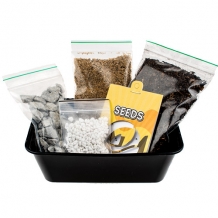
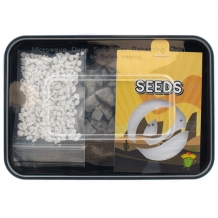
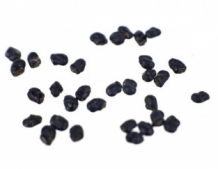
Growing mescaline cacti is not significantly different from growing other cactus species. Use a well-draining soil mix of cactus soil and perlite or pumice. Place the cactus in a spot with plenty of sunlight and warmth. Water only when the soil is completely dry; during the winter months, most species go dormant and require virtually no water. Overwatering is the most common cause of death in cultivated cacti. For those who prefer to start with a complete set, we offer a cactus growing kit that includes soil, seeds, and instructions.
Frequently Asked Questions About Mescaline Cacti
Are mescaline cacti legal in the Netherlands?
Live mescaline cacti are legal to possess and sell in the Netherlands. The cacti themselves are not listed on the Opium Act. The isolated alkaloid mescaline, however, is prohibited under the Opium Act. We sell our cacti exclusively for cultivation purposes.
What is the difference between Peyote and San Pedro?
Peyote is a small, round cactus that grows very slowly (5 to 10 years) and has the highest mescaline content. San Pedro is a columnar cactus that grows much faster (10 to 50 cm per year) and has a broader alkaloid profile. In the traditional context, Peyote was mainly used in Mexico and San Pedro in the Andes.
How long does it take for a mescaline cactus to reach maturity?
That varies greatly by species. Peyote grown from seed takes 5 to 10 years to reach a diameter of 4 to 5 cm. San Pedro and Peruvian Torch grow much faster and can gain tens of centimeters in a single year. If you don’t want to wait, you can also order cuttings and potted cacti in various sizes from us.
How are the cacti shipped?
All live cacti are carefully packaged to prevent damage and dehydration during transport. We ship exclusively via PostNL in neutral packaging. Orders received on weekdays before 4:00 PM are shipped the same day. Do you have questions about shipping or our selection? Please contact our customer service.
