


Real Mad Honey

Mad Honey
Have you ever heard of “Mad Honey”? If not, you’ve come to the right place! Real Mad Honey is a 100% natural honey that has been cherished for thousands of years by the local people in the Himalayas and the Black Sea region. This honey is particularly renowned for its remarkable character, taste, and effects. Join us as we dive into the history and uses of Real Mad Honey, or order your Mad Honey right here on Dutch-Smart.nl
5 Items
The History of Mad Honey
Mad Honey owes its name to the unique experience it can provide. This honey contains the substance grayanotoxin, which comes from the nectar of a specific type of rhododendron plant. Grayanotoxin, also known as "rhodotoxin," can create an intense sensation when consuming this honey. This specific rhododendron species grows in only two places in the world, making this honey unique and rare!
Mad Honey has been cherished for thousands of years by the local people in the Himalayas and in the Black Sea region of northeastern Turkey. It is even mentioned in Homer’s Odyssey, in which Odysseus’ men steal it from bees living on Mount Ida.
Choose authentic Mad Honey
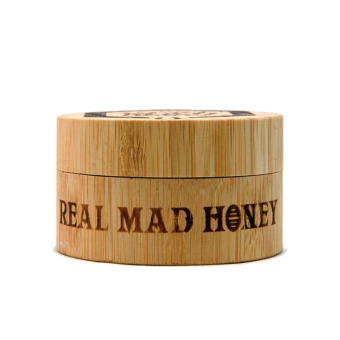
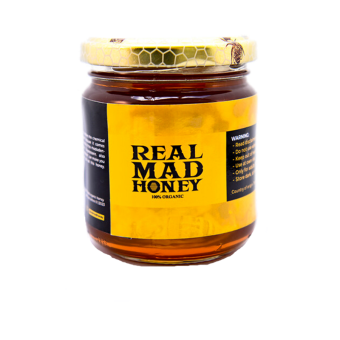
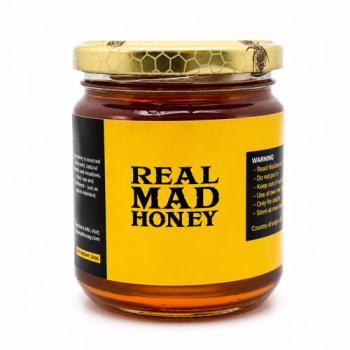
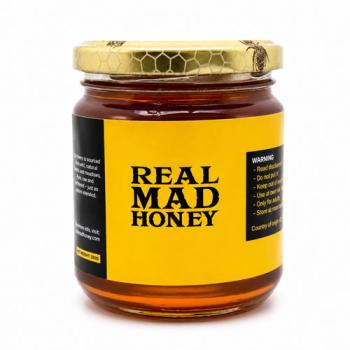
Get ready for an exceptional culinary experience with Mad Honey! Collected by local beekeepers in Turkey and harvested traditionally in Nepal, this otherwise rare honey is completely natural and unprocessed. You can recognize authentic Mad Honey by its dark color and characteristic bitter aftertaste. Unfortunately, there are quite a few imitations of Mad Honey on the market. With Real Mad Honey, you can be sure you’re getting the real thing.
What is Grayanotoxin?
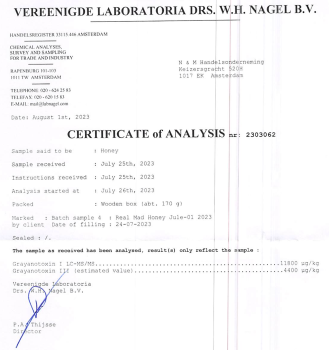
Grayanotoxin is a natural component that can provide an intense experience. The amount of grayanotoxin in Mad Honey depends on the specific rhododendron species from which the nectar comes and how much nectar the bees collected while making the honey. Usually, consuming Mad Honey poses no problems, as long as you don’t consume more than a few spoonfuls.
Try Real Mad Honey!
Real Mad Honey is a special product that has been cherished in certain parts of Asia and Europe for thousands of years. At Dutch-Smart, you can purchase this unique product directly from beekeepers around the world! So what are you waiting for—get your own supply of Mad Honey today!
Dosage and Use of Mad Honey
Mad Honey is no ordinary honey, and its dosage therefore requires some attention. A small amount, typically between 5 and 10 grams (roughly one to two teaspoons), is usually enough for most people to notice the effects. Users report a mild sense of relaxation, a tingling sensation in the limbs, and a mild dizziness that can last one to three hours.
If you’re trying Mad Honey for the first time, start with half a teaspoon and wait at least two hours before taking a slightly larger amount. The effects of grayanotoxin may take longer to kick in than expected, especially if you consume the honey with a meal. Never combine Mad Honey with alcohol or other substances that affect the central nervous system. Stick to small amounts: consuming more than 15 grams at a time can cause nausea, excessive sweating, and low blood pressure.
Mad Honey is not suitable for people with cardiovascular problems, low blood pressure, or those taking blood pressure-lowering medication. We advise against its use by pregnant women and people with serious health conditions. Store the honey in a cool, dry place, away from direct sunlight, and keep it tightly sealed.
What does Mad Honey taste like?
Genuine Mad Honey has a distinct flavor profile you won’t soon forget. Its color is darker than regular honey, often deep amber to almost brown, and its aroma is floral with a slightly resinous undertone. The flavor itself is a combination of sweet and bitter, with that distinctive aftertaste that immediately tells you this is no ordinary supermarket honey. It is precisely that bitter aftertaste that serves as proof to connoisseurs that grayanotoxin is present in a significant concentration.
Mad Honey is also interesting from a culinary perspective. A thin layer on a slice of whole-grain bread or a spoonful in warm (not boiling) tea are popular ways to enjoy it. Be sure never to heat the honey above 40 degrees, as this will break down the active compounds.
Related in our assortment
Are you interested in more unique products from nature? In our lifestyle category, you’ll find a wide selection of lesser-known but fascinating products. Ceremonial cacao also has a long history as a ritual indulgence and offers a completely different, milder experience. For those who prefer something stimulating, our energizers are a good option. And if you want to know how Mad Honey compares to other products in our smartshop, you can view the full range. Would you like to read more before making a choice? In our blog article about Mad Honey, you’ll find a comprehensive overview of its origins, effects, and practical tips.
Frequently Asked Questions About Mad Honey
Is Mad Honey legal in the Netherlands?
Yes, Mad Honey is legal in the Netherlands. Grayanotoxin is not on the Dutch opium list or the list of prohibited substances. You can simply buy and possess it. Be careful if you’re traveling abroad: regulations vary by country.
How much Mad Honey can I safely take?
The generally accepted safe amount is between 5 and 10 grams at a time, which is about one to two teaspoons. Start with less if you have no prior experience with it. Never take more than 15 grams at once: above that limit, the risks of unwanted side effects increase significantly.
Can I combine Mad Honey with other products?
Do not combine Mad Honey with alcohol, blood pressure-lowering medications, or other psychoactive substances. Grayanotoxin has a sedative effect on the nervous system, and combinations can unpredictably intensify that effect. If in doubt: contact your doctor before you start.
What makes Real Mad Honey different from cheap alternatives?
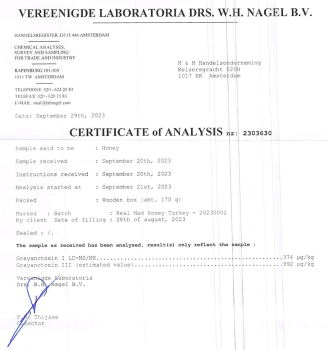
Much of the "mad honey" on the market contains barely measurable amounts of grayanotoxin, because the honey is adulterated or simply comes from the wrong species of rhododendron. Real Mad Honey is sourced directly from certified beekeepers in Turkey and Nepal, regions where the correct rhododendron species grows naturally. The dark color and bitter aftertaste are the simplest indicators of quality.


