Ayahuasca

Ayahuasca is a traditional herbal brew from the Amazon region that has been used in shamanic rituals for centuries. At Dutch-Smart, you’ll find a wide range of individual ayahuasca ingredients, from Banisteriopsis caapi and Chacruna to Mimosa hostilis and Peganum harmala. All our herbs are sold exclusively for ethnobotanical purposes and are not intended for human consumption. Below, you can read more about the background, the active compounds, and what to look for when buying ayahuasca herbs.

29 Items
What foods should I avoid when taking MAO inhibitors?

MAO inhibitors block the enzyme that breaks down tyramine. As a result, foods high in tyramine can cause dangerously high blood pressure. In any case, avoid: aged and mature cheeses, fermented products (sauerkraut, kimchi, miso), smoked or dried meat, certain legumes, overripe fruit, and alcohol, particularly red wine and beer. This diet must be followed for at least 24 hours before and after taking the medication.

How long before using MAO-inhibiting herbs should I stop taking medication?

This varies greatly depending on the medication. SSRIs generally need to be tapered off over a period of 2 weeks (fluoxetine even 5 weeks due to its long half-life). Tricyclic antidepressants require at least 2 weeks. Tramadol, dextromethorphan, and lithium are also dangerous when combined. Never stop taking antidepressants abruptly without consulting a doctor. This is not a situation you should assess on your own.

What are the Shipibo ceremonial items you offer, and what are they used for?
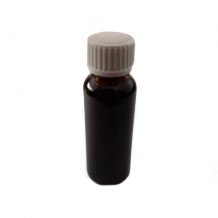
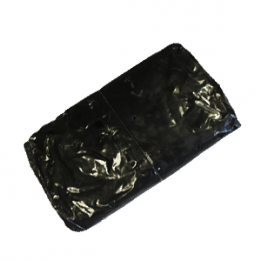
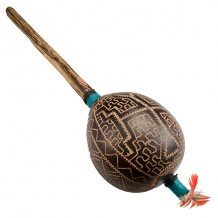
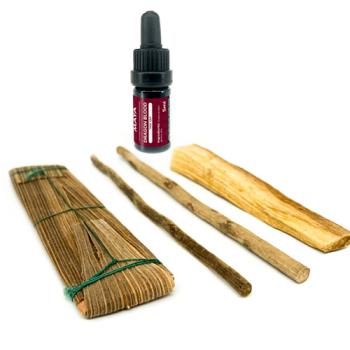
We offer traditional items used by the Shipibo-Konibo people of Peru in ceremonial contexts, such as bottles containing traditional preparations and other ritual supplies. These items are intended for people interested in the cultural and spiritual traditions surrounding ayahuasca.
Can I combine the plants without knowing the proper dosage?

We strongly advise against this. The combination of MAO inhibitors with DMT-containing plants is complex, and the margin between an effective dose and an excessive one is narrow. Incorrect ratios or unknown interactions with food or medications can have serious consequences. Consult specialized sources and conduct thorough research before combining anything.

What is the difference between Banisteriopsis caapi leaves and "shredded" material?

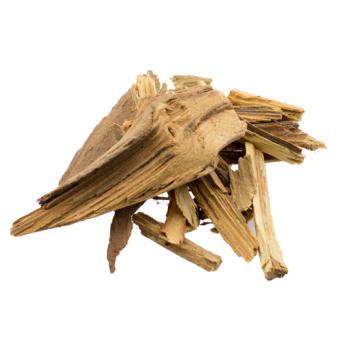
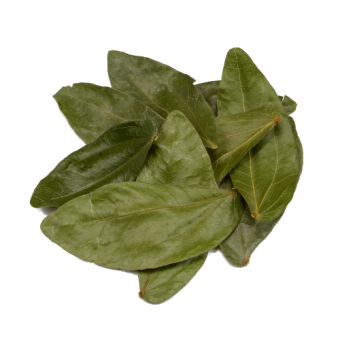
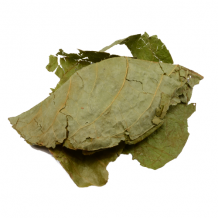
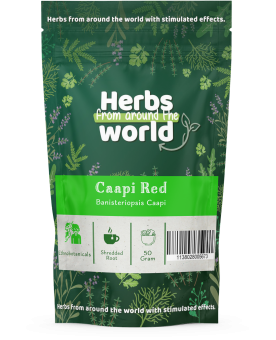
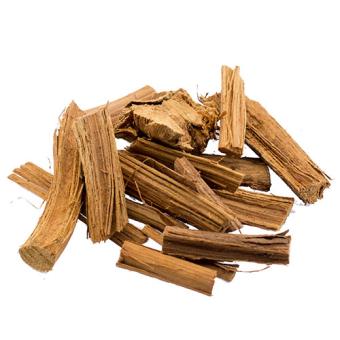
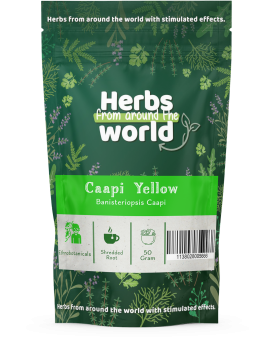
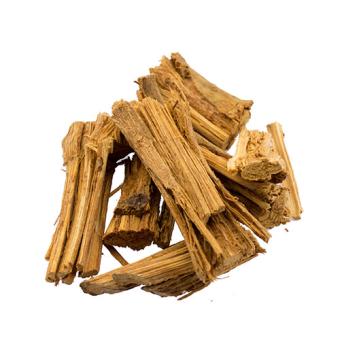
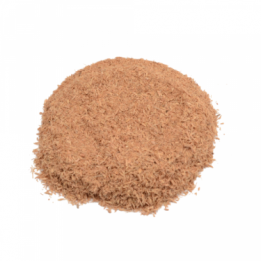
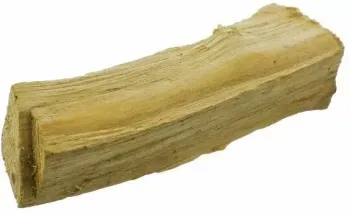
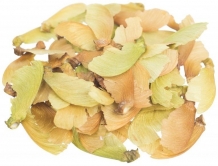
The leaf is the leaf form of the caapi plant, which contains fewer alkaloids than the vine (liana) but is also traditionally used. “Shredded” material consists of the vine itself, finely chopped for easier processing. The Banisteriopsis caapi root (vine) is used more often because of its higher alkaloid content.

Do you store the plants in a specific way?

Yes. Dutch-Smart is HACCP-certified. All botanical products are stored under controlled conditions: dry, dark, and at a stable temperature. This prevents mold growth and the breakdown of active ingredients. After receiving the products, store them in a dry, sealed container, preferably in an airtight jar away from direct sunlight.

Is Acacia confusa the same as Acacia maidenii or other Acacia species?

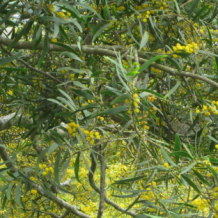
No. There are hundreds of Acacia species, and the alkaloid profile varies greatly from one species to another. Acacia confusa contains mainly N,N-DMT and NMT. Other species, such as Acacia maidenii or Acacia obtusifolia, have a similar but not identical profile. Mixing up species is a common mistake; always check the exact botanical name when purchasing.

Are the plants you sell legal in the Netherlands?

Banisteriopsis caapi, Peganum harmala, Chacruna, Mimosa hostilis, and the other plants in our selection are legal to possess and sell in the Netherlands. DMT as an isolated substance is subject to the Opium Act. The plant-based raw materials themselves are not, though this may vary by country. Different rules apply outside the Netherlands; please check in advance.

What is the difference between Chacruna, Chaliponga, and Mimosa hostilis as sources of DMT?

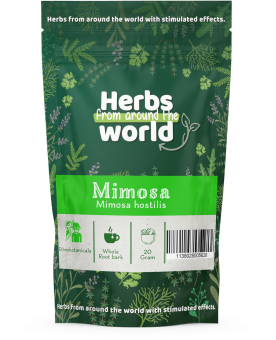
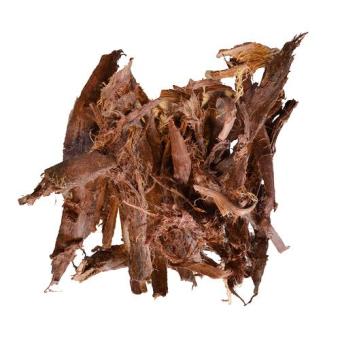
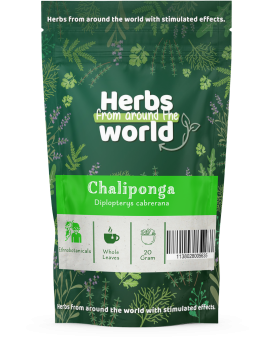
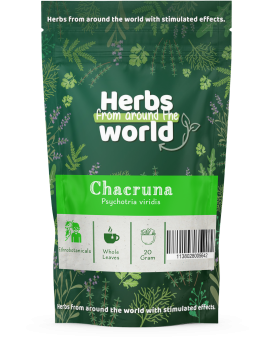
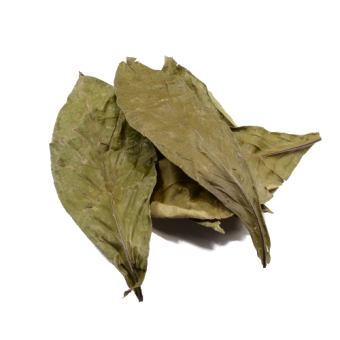
All three contain N,N-DMT, but their composition differs. Chacruna (Psychotria viridis) is the most traditional choice and contains almost exclusively N,N-DMT. Chaliponga (Diplopterys cabrerana) contains not only N,N-DMT but also 5-MeO-DMT and bufotenine, which can significantly alter the nature of the experience. Mimosa hostilis has a high DMT content and is also used in ayahuasca analogs, but is not part of the classical Amazonian tradition.

What are ayahuasca analogues?

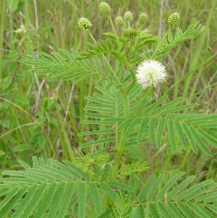
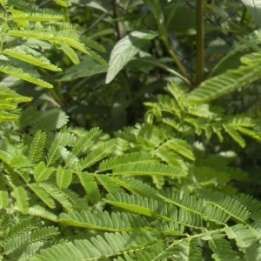
Ayahuasca analogues are combinations of plants that follow the same principle as traditional ayahuasca but use different plant species. For example, Peganum harmala (Syrian rue) can take over the role of MAO inhibitor from Banisteriopsis caapi, and Mimosa hostilis or Acacia confusa can take over the role of DMT source. They are not traditional, but they are comparable. 

Do you have any ayahuasca recipes, or can you offer any advice on how to prepare it?

No, and that is a deliberate choice. Dutch-Smart sells exclusively botanical specimens and does not provide preparation recipes, dosage instructions, or personal advice regarding the combination of MAO-inhibiting and DMT-containing plants. There are two reasons for this. First, such advice falls outside our expertise as a supplier of ethnobotanical products. Second, the health risks of improper use, particularly regarding interactions with medications and food, are serious enough that we do not assume that responsibility. For informative background information, we refer you to specialized sources such as the Trimbos Institute’s knowledge base. Anyone seriously interested in an ayahuasca experience would be wise to seek out a certified ceremonial leader or therapist.