


Spraying tracks
Growing from a spore syringe requires a sterile substrate, a suitable growing area, and a basic understanding of sterile techniques. Contamination is the greatest risk: mold or bacteria can render a batch unusable if proper hygiene is not maintained. Always use an alcohol wipe, wash your hands thoroughly, and preferably inject in a quiet room with no airflow. After inoculation, the substrate will colonize in one to three weeks, depending on the strain and temperature. The ideal colonization temperature for most Cubensis strains is between 28 and 30 degrees. You can find more detailed growing tips in the knowledge base, in the article on growing magic mushrooms. Supplies such as heating mats and filter bags can be found in the growing supplies section.
16 Items
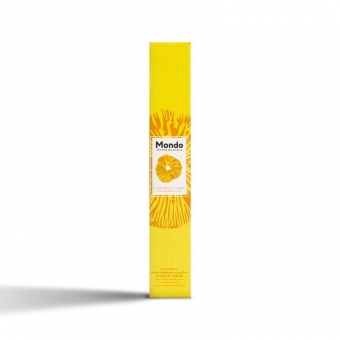
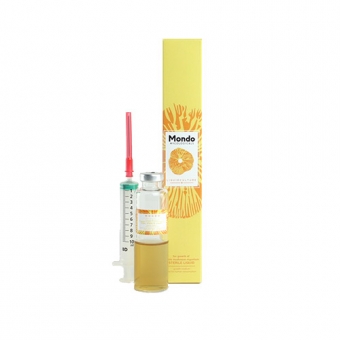
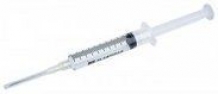
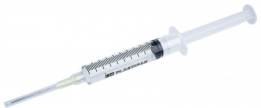
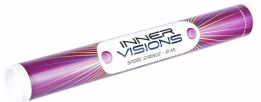
Our selection of spore sprays
Our spore syringes contain sterile water with hydrated spores. Our selection includes various strains, each with its own growth profile and effects profile. For example, we offer the PF Original: the original Psilocybe Fanaticus strain known for its preference for BRF (brown rice flour and vermiculite, the well-known PF mix). This strain quickly begins forming fruiting bodies and produces short but thick mushrooms. Another popular spore syringe is the Costa Rica. This one produces smaller mushrooms, but they appear in large clusters and are also very potent. Are you trying a spore syringe for the first time? Then the Psilocybe cubensis Koh Samui is a suitable option. It is highly resistant to contamination and produces compact yet wide mushrooms.
Further down the lineup, you’ll find Golden Teacher, the most commonly used starter strain, forgiving to grow and consistent in yield. B+ is a robust all-rounder that colonizes well on various substrates. Cambodian is known for rapid colonization and is less sensitive to temperature fluctuations. Amazon and Ecuador are slightly more potent Cubensis strains with substantial harvests. Dutch King (Mexican) is the classic Mexican strain, energetic and accessible. Hawaii and Treasure Coast are among the more potent varieties. The Tampanensis "Pollock" is the strain used to grow sclerotia (magic truffles), named after its discoverer, Steven Pollock.
Panaeolus cyanescens Jamaica and Panaeolus Goliath fall outside the Cubensis spectrum. Panaeolus cyanescens, also known as Copelandia, contains significantly more psilocybin per gram than Cubensis strains and requires a different substrate and different growing conditions. Suitable only for experienced growers. In addition to spore syringes, 5ml and 10ml Liquid Culture vials are also available, in which the mycelium is already active and colonizes faster than spores.
Spore syringe versus spore ampoule
A spore syringe is pre-filled and ready for immediate inoculation. A spore ampoule contains the same spore solution but must be drawn into a syringe by the user before use. Practically speaking, a syringe is slightly more convenient for direct inoculation. For growers who want to work with specific spore strains or preserve genetic material for multiple sessions, an ampoule offers more flexibility. If you want a visual overview of a strain before growing, check out the spore prints.
Growing from a spore syringe: what’s involved
Growing from a spore syringe requires sterile substrate, a suitable grow room, and basic knowledge of sterile work techniques. Contamination is the biggest risk: mold or bacteria can render a batch unusable if you don’t work cleanly. Always use an alcohol wipe, wash your hands thoroughly, and preferably inoculate in a quiet room without airflow. After inoculation, the substrate will colonize in one to three weeks, depending on the strain and temperature. The ideal colonization temperature for most Cubensis strains is between 28 and 30 degrees.
PF-tek
PF-tek (Psilocybe Fanaticus Technique) is the most commonly used method for beginners working with a spore syringe for the first time. The substrate consists of a mixture of brown rice flour (BRF) and vermiculite, supplemented with water. This mixture is steamed in small pots or glass jars to sterilize it, after which you inject the spores through the lid. The pots colonize in two to four weeks at a temperature of 28 to 30 degrees. After full colonization, remove the colony blocks from the pot—known as cakes—and place them in a humid fruiting chamber to produce fruiting bodies. PF-tek is compact, inexpensive, and suitable for small batches. The PF Original spore syringe was specifically developed for this method and delivers reliable results on BRF substrate.
Grain substrate
Grain substrate, also known as grain spawn, is a step beyond PF-tek and suitable for growers who want higher yields. Rye, wheat, or barley is cooked, dried, and sterilized in a pressure cooker inside mason jars or filter bags. After inoculation with the spore syringe, the grain colonizes completely, after which you can mix it with a bulk substrate such as coconut fiber or coco coir for a larger fruiting layer. Grain substrate colonizes faster than PF-tek due to the larger contact surface area, but also requires more thorough sterilization and greater attention to sterile working techniques. Strains such as B+, Golden Teacher, and Cambodian perform well on grain.
Supplies such as heating mats, filter bags, and mason jars can be found in the growing supplies section. You can read more detailed growing tips in the knowledge base, in the article on growing magic mushrooms.
Dosage and Safe Use
Mushrooms grown from Psilocybe Cubensis spores contain psilocybin and psilocin. Potency varies by strain: Hawaii, Treasure Coast, and Amazon are more potent than standard entry-level strains like Golden Teacher or Koh Samui. Panaeolus cyanescens contains significantly more psilocybin per gram than any Cubensis strain. Never assume your usual dosage when trying a new strain; always start with a lower dose. Do not use psilocybin in combination with MAO inhibitors, SSRIs, or alcohol. Use is not recommended for those with psychosis, schizophrenia, during pregnancy, or for individuals under the age of 18. You can read more background information on the effects of psilocybin in the knowledge base.
Frequently Asked Questions About Spore Syringes
What is in a spore syringe?
A 20ml spore syringe contains a sterile solution with hydrated mushroom spores from a specific strain. The syringe is ready for immediate use and comes without any additional accessories. You will need your own sterile substrate, a grow room, and basic knowledge of inoculation techniques.
What is the difference between a spore syringe and a spore ampoule?
A spore syringe is pre-filled and ready for immediate inoculation. A spore ampoule contains the same solution but must be drawn into a syringe by hand. A syringe is slightly more convenient for immediate use. An ampoule offers more control over the amount per inoculation and is useful if you want to perform multiple sessions with the same strain.
Which strains are suitable for beginners?
Koh Samui, Golden Teacher, and Cambodian are the most forgiving strains in the lineup. They are less susceptible to contamination than more potent strains and colonize reliably on standard substrates. For a very first growing experience, we recommend a complete 1200cc grow kit, which requires no inoculation step.
On which substrate should I use a spore syringe?
Most Cubensis strains grow well on BRF mix (brown rice flour and vermiculite), grain substrate (rye, wheat, or barley), or pasteurized straw. PF Original prefers BRF. Panaeolus cyanescens requires a different substrate, usually a mixture of straw and compost. Consult the manual or the knowledge base for species-specific recommendations.
How long do spore syringes last?
When stored in the refrigerator (4 to 8 degrees Celsius), spore vials typically have a shelf life of 6 to 12 months. Store them away from direct light and temperature fluctuations. Before use, check the vial for cloudiness or discoloration, which may indicate contamination.
Do you have questions about strain selection or cultivation techniques?
Contact us via customer service or read more on the blog.
