

Psychedelics
In this category, you’ll find plant-based psychedelics: herbs, seeds, and extracts with psychoactive or hallucinogenic effects that have been used by various cultures for centuries. The selection includes ayahuasca ingredients such as Chacruna and Banisteriopsis caapi, LSA seeds such as Morning Glory and Hawaiian Baby Woodrose, dream herbs, relaxing plants, and ready-to-use capsule products. All psychedelics are intended exclusively for individuals 18 years of age and older.
31 Items
What are psychedelics?
Psychedelics are substances that temporarily alter the state of consciousness by acting on serotonin receptors in the brain, particularly the 5-HT2A receptor. The name is derived from the Greek words psyche (mind) and delos (to make visible). The effects include visual and auditory distortions, changes in the perception of time, increased introspection, and, depending on the substance and dosage, profound experiences. Much scientific research on classic psychedelics focuses on applications for PTSD, depression, and anxiety disorders, although mainstream medical use in the Netherlands remains limited.
Plant-based psychedelics differ from synthetic variants in that, in addition to the primary psychoactive substance, they also contain dozens of other plant compounds. This influences the duration of action, the effect profile, and the side effects. Ayahuasca contains DMT and MAO-inhibiting beta-carbolines in a single preparation. LSA seeds contain ergine alkaloids with a different profile than synthetic LSD. Each plant-based substance therefore requires its own preparation, dosage, and precautions.
Product groups in the range
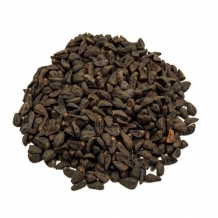
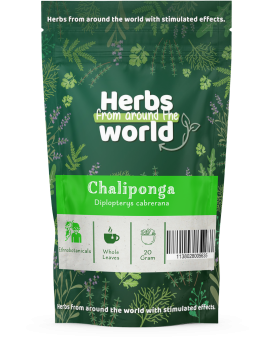
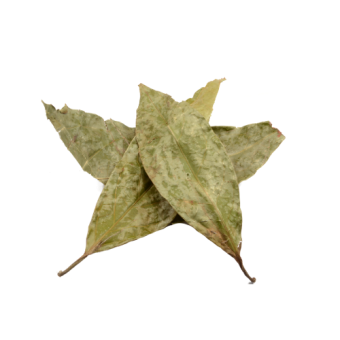
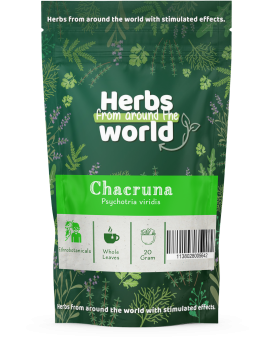
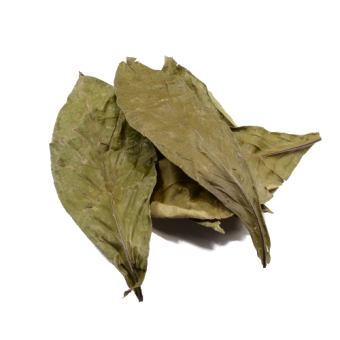
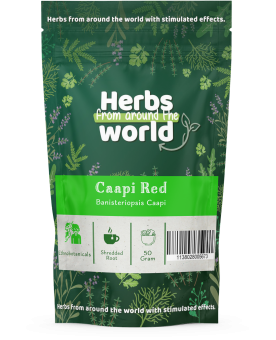
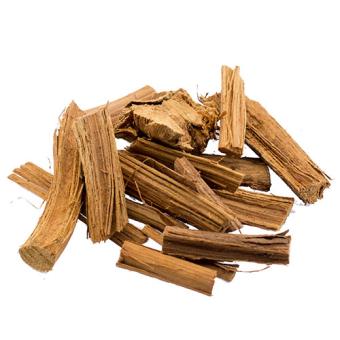
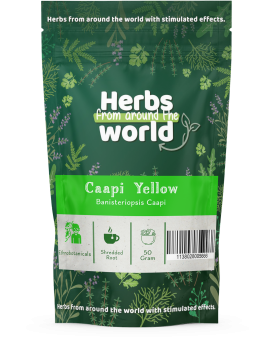
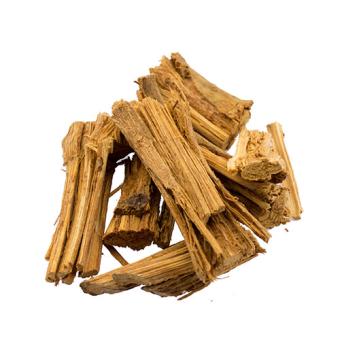
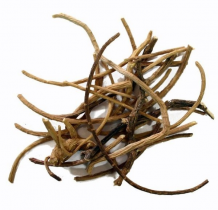
Ayahuasca ingredients: Chacruna (Psychotria viridis) and Banisteriopsis caapi (available in red and yellow varieties) are the classic ingredients of the ayahuasca brew. Chacruna provides the DMT, while Banisteriopsis caapi provides the MAO-inhibiting beta-carbolines (harmine, harmaline, tetrahydroharmine) that enable the oral activity of DMT. Chaliponga (Diplopterys cabrerana) is also used as a source of DMT as an alternative to or supplement for Chacruna. Strict dietary rules and contraindications apply to the preparation of ayahuasca due to its MAO-inhibiting effects. More information can be found in the ayahuasca category.
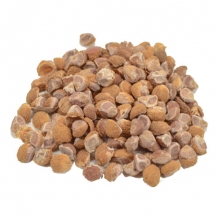
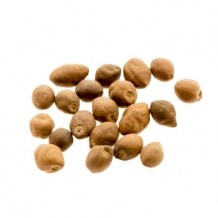
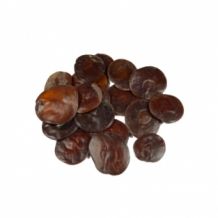
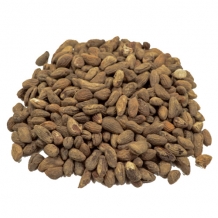
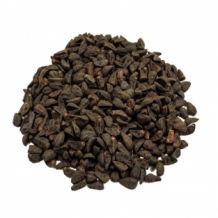
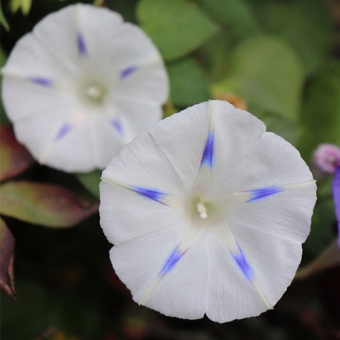
LSA seeds: Morning Glory (Ipomoea purpurea, available in Pearly Gates, Flying Saucers, and Tricolor Heavenly Blue), Hawaiian Baby Woodrose (Argyreia nervosa, Madagascar variant), and Ololiuhqui (Rivea corymbosa) contain lysergic acid amide (LSA), a psychedelic alkaloid chemically related to LSD. Trips last 6 to 10 hours. More information on dosages per species can be found on the LSA seeds category page.
Yopo and Voacanga: Yopo (Anadenanthera peregrina) is a South American plant whose seeds contain bufotenin and 5-MeO-DMT. Traditionally, the seeds are roasted and ground into a snuff powder. Voacanga africana seeds (5 grams) contain ibogaine-related alkaloids and are used in West African traditions as a visionary plant.
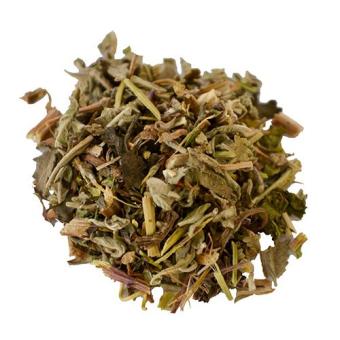
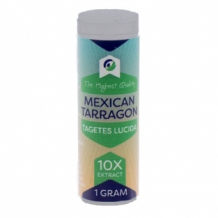
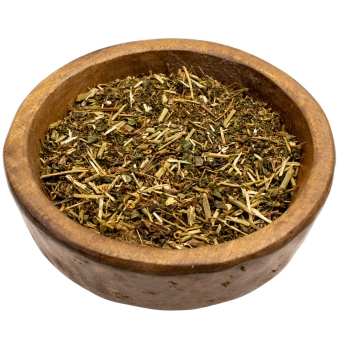
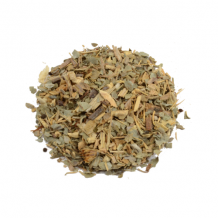
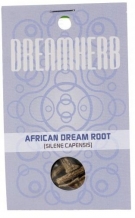
Herbs and plants: Peganum harmala (Syrian rue) contains harmine and harmaline and is used both as an MAO inhibitor in ayahuasca analogs and on its own as a mild psychedelic. Sinicuichi (Heimia salicifolia) is known for its auditory effects and is available as a dried herb (20 grams) and as a 10X extract. Prickly Poppy (Argemone mexicana) contains alkaloids that can produce mild psychoactive effects. African Dream Root (Silene capensis) is traditionally used for vivid dreaming. Mexican Tarragon (Tagetes lucida) is a gentler herb with mild psychoactive properties, also available as a 10X extract. Passionflower (Passiflora incarnata) has relaxing and MAO-inhibiting effects and is available as a dried herb (20 grams) and as a 50X extract.
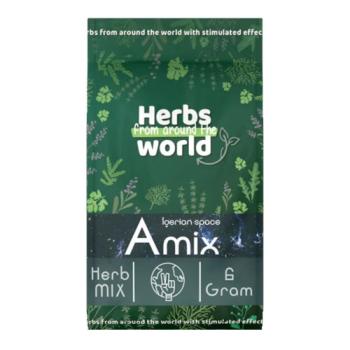
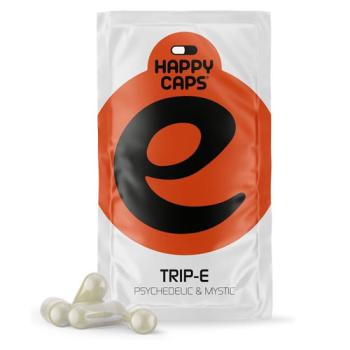
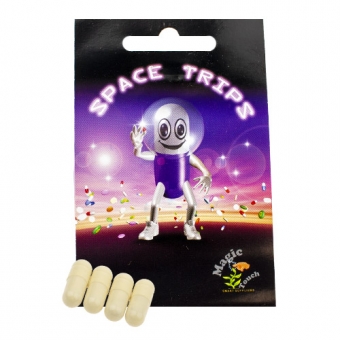
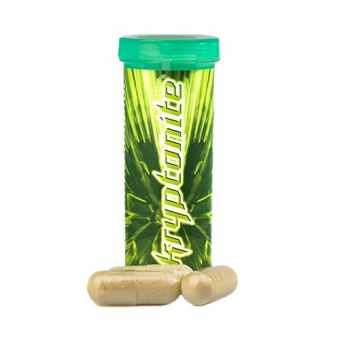
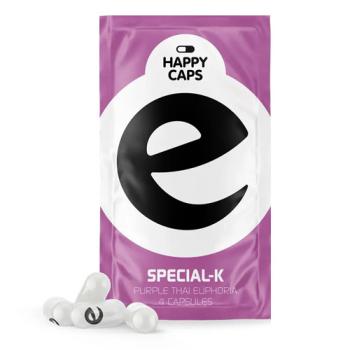
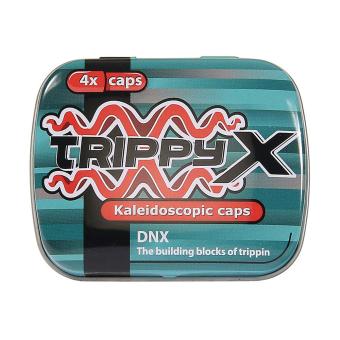
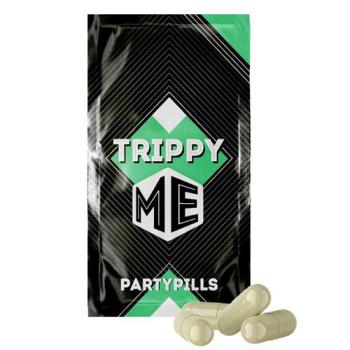
Herbal blends and capsules: The Algerian Spacemix (6 grams) is a blended herbal mixture. The capsule range includes Trip-E and Space Trips by Happy Caps, Trippy ME, TrippyX, and Kryptonite. These are ready-to-use products with a fixed dosage, making their potency less variable than with raw plant materials.
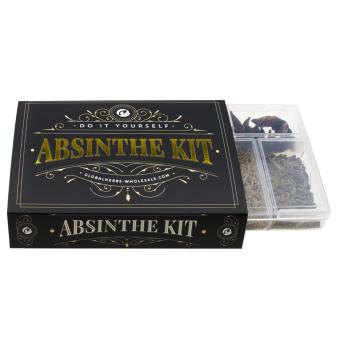
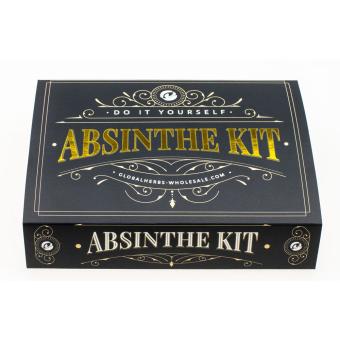
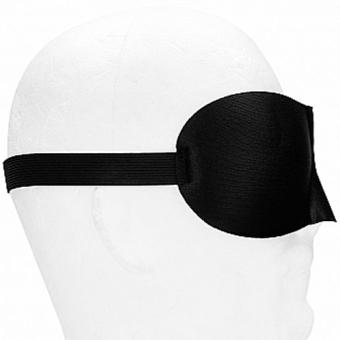
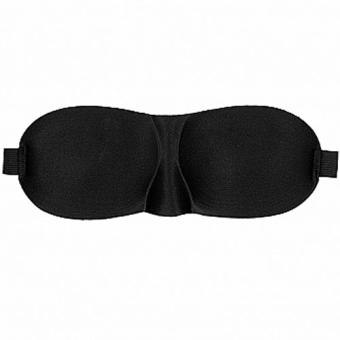
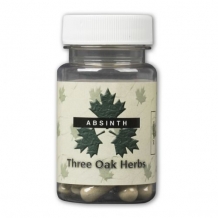
Other: The Mindfold is a blackout mask used during psychedelic sessions to minimize external stimuli. The Absinthe kit and Absinthe capsules contain grand wormwood (Artemisia absinthium), an herb containing thujone as its active ingredient.
Set & setting: preparation for a psychedelic experience
The term "set & setting" describes two factors that strongly influence the outcome of a psychedelic experience. Set refers to the user’s mental state: mood, expectations, and intention. Setting refers to the physical and social environment. Do not use psychedelics if you feel stressed, anxious, or sad. Ensure a safe, familiar environment and, preferably, have a sober person present during the session, especially for first-time use or higher doses.
Allow plenty of time: trips from plant-based psychedelics last 4 to 10 hours, depending on the substance. Do not take an extra dose if the effects do not kick in. It can take up to 90 minutes for psychedelics to take full effect. Taking a second dose too early can lead to an undesirably intense experience.
Responsible use and contraindications
Never combine plant-based psychedelics with alcohol, other psychoactive substances, or—in the case of MAO-inhibiting plants such as Peganum harmala, Banisteriopsis caapi, and passionflower—with certain medications or foods. MAO inhibitors have serious interactions with, among other things, SSRIs, certain painkillers, tyramine-rich foods, and stimulants. Always consult the product information and, if in doubt, a doctor. Do not use psychedelics if you have psychosis, schizophrenia, bipolar disorder, severe cardiovascular disease, or are pregnant. Not suitable for persons under 18 years of age. Do not operate vehicles after use.
Frequently Asked Questions About Psychedelics
What is the difference between classic psychedelics and dissociatives?
Classic psychedelics such as LSA, psilocybin, and DMT primarily act via the 5-HT2A serotonin receptor and cause visual distortions, increased introspection, and expanded consciousness. Dissociatives such as Salvia divinorum act via other receptors (kappa-opioid) and tend to induce a feeling of being disconnected from the environment. Salvia divinorum can be found in the Salvia category.
Are plant-based psychedelics legal in the Netherlands?
Most plant-based psychedelics in this assortment are not listed on the Dutch Opium Act and are legal to possess and purchase. DMT as an isolated substance is listed on Schedule I of the Opium Act, but the DMT-containing plants themselves (Chacruna, Chaliponga) are not prohibited. Peganum harmala, Morning Glory, Hawaiian Baby Woodrose, and the other plants in this assortment are legal. Dutch-Smart sells all products as botanical products under the supervision of the NVWA.
What are MAO inhibitors and why are they dangerous when combined?
MAO inhibitors (monoamine oxidase inhibitors) block the enzyme that breaks down monoamines such as serotonin, dopamine, and tyramine. Plants such as Banisteriopsis caapi, Peganum harmala, and Passionflower contain MAO-inhibiting substances. When combined with SSRIs, certain painkillers, or tyramine-rich foods, this can lead to serotonin syndrome, a potentially life-threatening condition. Please refer to the comprehensive list of contraindications in the ayahuasca category for more information.
What is the difference between capsule products and raw plant herbs?
Capsule products such as Trip-E, Space Trips, and TrippyX contain a fixed, measured amount of extract or herbs. This makes dosing more predictable than with raw plant materials, where potency can vary by batch. Raw plant herbs offer more control over the exact composition but require more knowledge of preparation and dosing.
Do you have questions about a specific product or safe use?
Contact us via customer service or read more on the blog.
