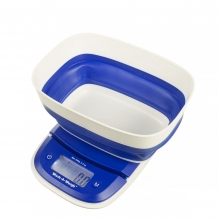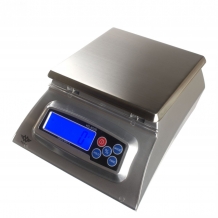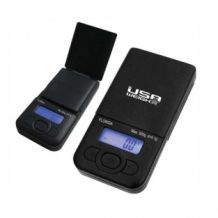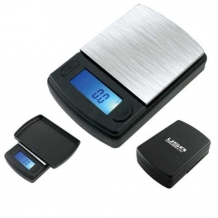
Scales

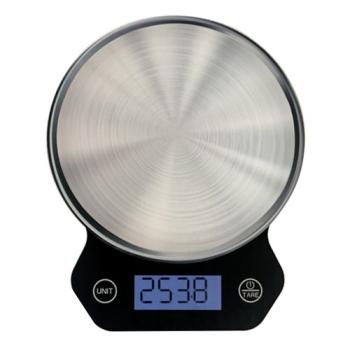
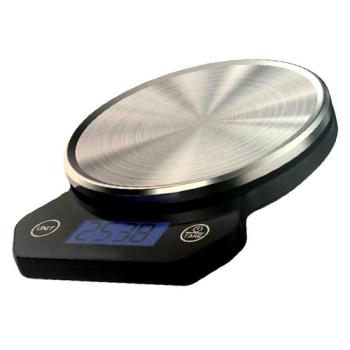
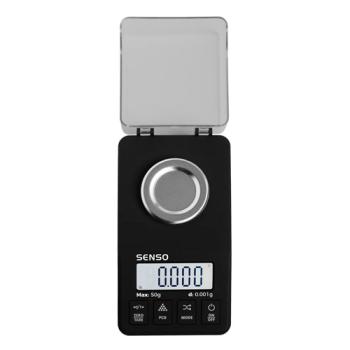
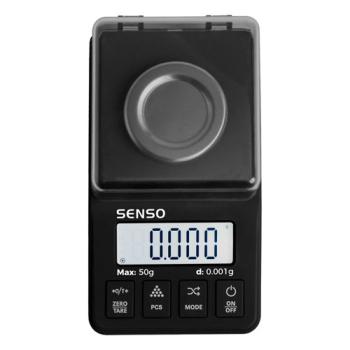
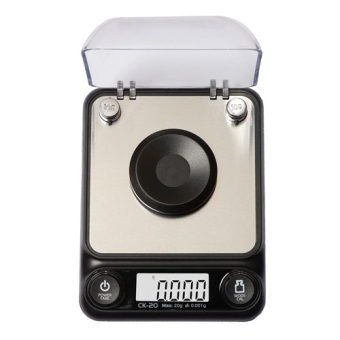
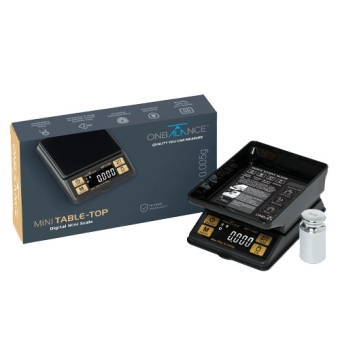
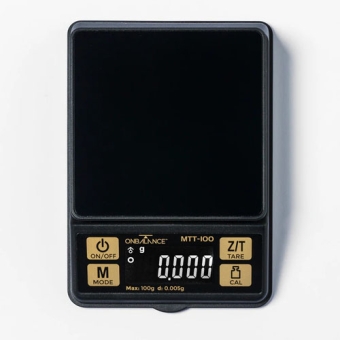
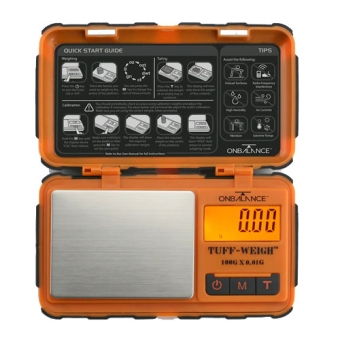
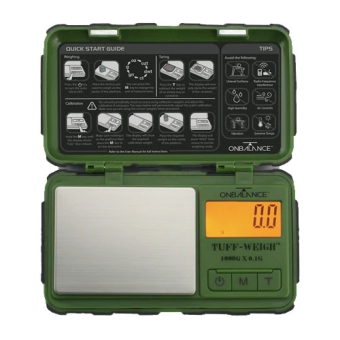
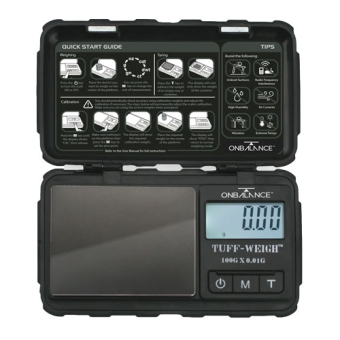
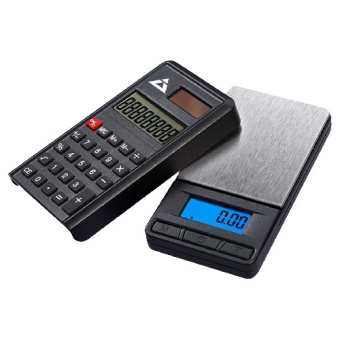
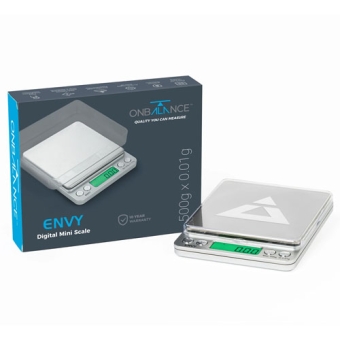
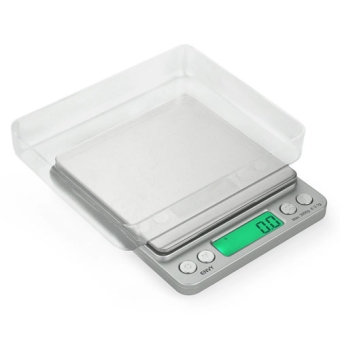
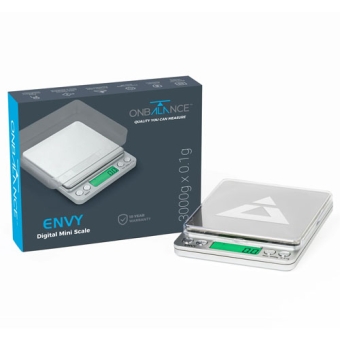
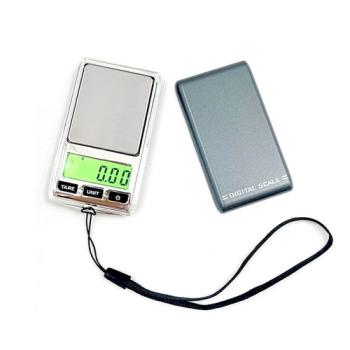
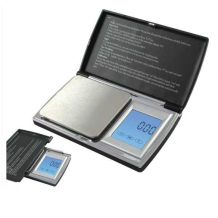
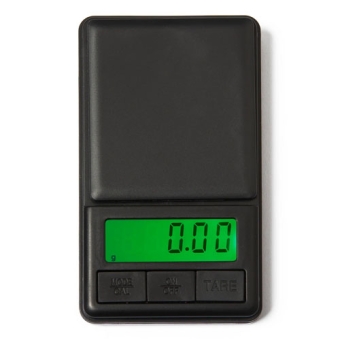
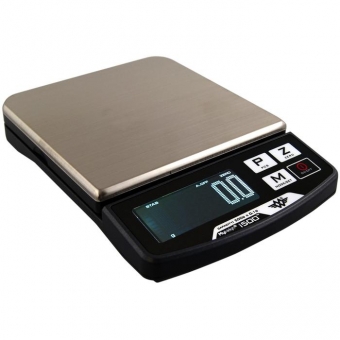
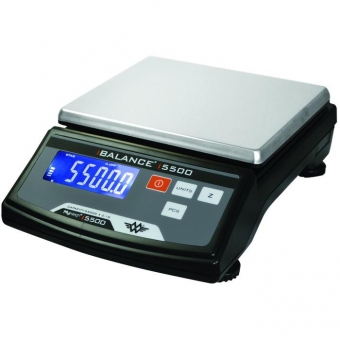
A good scale is essential if you work with herbs, kratom, truffles, or supplements where the dosage really matters. Our selection includes compact pocket scales and sturdier tabletop models, all with an accuracy of at least 0.1 gram and most accurate to 0.01 gram. Suitable for home use and for anyone who wants to know exactly what they’re weighing.

Not sure how much you need? Then use our magic truffle calculator for personalized dosing advice.

72 Items
What is the difference between a precision scale and a regular kitchen scale?

A kitchen scale typically measures in 1-gram increments, which works fine for recipes but not for small amounts of spices, supplements, or other substances. A precision scale measures in increments of 0.1 g, 0.01 g, or even 0.001 g. That level of accuracy is essential when a difference of just half a gram can affect the effect or dosage.

How many decimal places do I need when measuring herbs or supplements?

For most herbal blends, kanna, or rapé, 0.1 g is sufficiently accurate. If you want to dose supplements or extracts more precisely, 0.01 g is better. For microdosing truffles or magic mushrooms, 0.01 g is the minimum; 0.001 g provides even more control at very low doses.

What does "readability" mean in the context of a scale, and why is it important?

Readability is the smallest unit that the scale can display, also known as the increment or division. A readability of 0.01 g means that the scale rounds the weight to hundredths of a gram. The smaller the readability, the more accurately you can weigh, but also the more sensitive the scale is to vibrations and air currents.

Can I use a scale for microdosing truffles or mushrooms?

Yes, and it’s also highly recommended. With microdosing, doses typically range from 0.1 g to 0.3 g of fresh weight, or less for dried material. A scale with 0.01 g readability provides enough precision for consistent dosing. Guessing by feel isn’t reliable with such small amounts.

What is the maximum capacity I need for everyday use?

That depends on what you're weighing. For herbs, supplements, or small extracts, a maximum capacity of 100 g to 500 g is sufficient. If you also want to weigh larger quantities, such as a full harvest or bulk purchases, choose a model with a capacity of 1,000 g or more. Note: higher capacity often comes with slightly less precise readability.

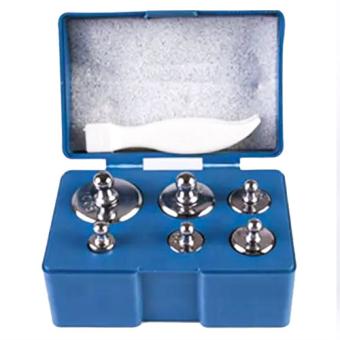
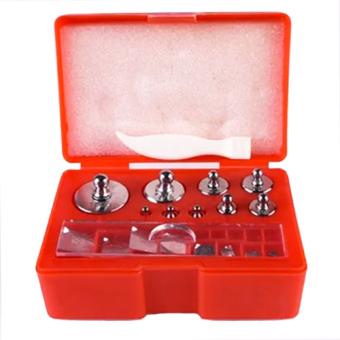
How do I calibrate a precision scale at home without a calibration weight?

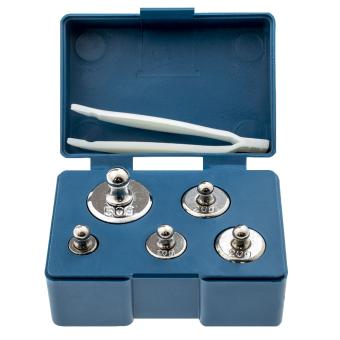
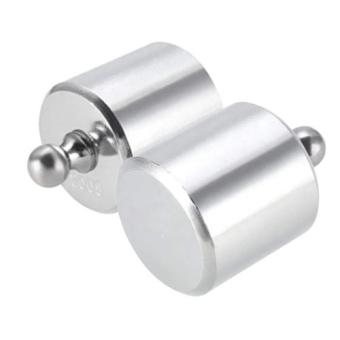
Precision scales have a built-in calibration function that requires a specific weight, often 100 g or 200 g. Without a calibration weight, you can use a coin as a rough check: a Dutch euro coin weighs exactly 7.5 g. For accurate work, however, a certified calibration weight is the only reliable option.

What does the tare function do, and when should you use it? (Tip)

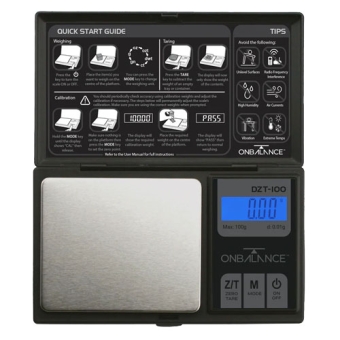
The tare function lets you reset the scale to zero even when there’s already something on it, such as a small bowl or a bag. This way, you weigh only the contents, not the packaging. It’s handy if you want to weigh several ingredients one after another in the same container without having to recalculate each time. 

How accurate are On Balance scales compared to other brands?

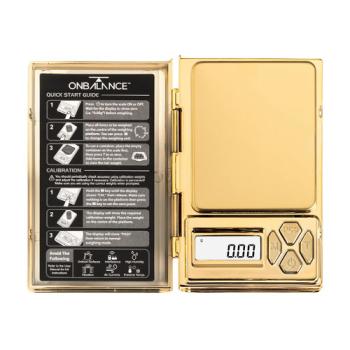
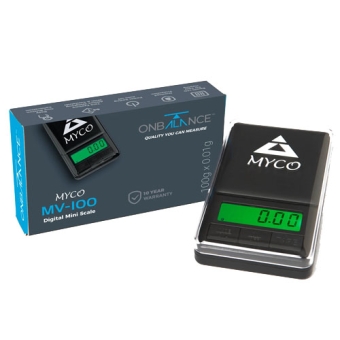
On Balance is one of the most widely used brands in the headshop industry, with a solid reputation for consistency and durability in the mid-range market. They meet their specified performance standards under normal conditions of use. For laboratory-grade accuracy, there are more expensive analytical balances, but for everyday use in a smart shop setting, On Balance models perform reliably.

What units can precision scales measure besides grams?

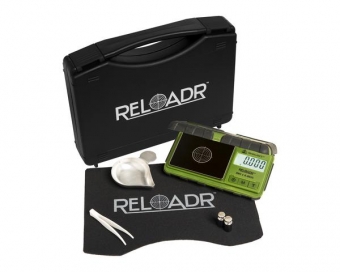
Most models switch between grams (g), ounces (oz), troy ounces (ozt), pennyweights (dwt), and sometimes grains (gr) or carats (ct). For use with herbs and supplements, grams are the standard. The other units are relevant for precious metals or specific applications in trade and craftsmanship. For reloading ammunition, the scale is usually set to grains; powder charges in manuals are often listed only in grains.

How do environmental factors such as wind or temperature affect accuracy?

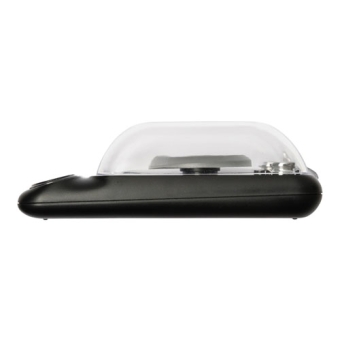
Although we’re getting a bit technical here: Precision scales are sensitive to air currents, vibrations, and temperature fluctuations. Even a fan or an open window can affect the measurement. Always weigh on a stable, flat surface, out of the wind, and let the scale come to room temperature first if you’ve just brought it in from outside. Some models have a windshield, which is almost mandatory for 0.001 g scales. The scales are so sensitive that even a slight breeze can cause them to wobble. If you find it difficult to stabilize a precision scale, check to see if a mechanical fan is running; this may easily resolve the issue. 

How long does a precision scale last, and when does it need to be recalibrated?

A good precision scale will last for several years with normal use. Recalibrate the scale after it has been dropped or bumped, when moving it to a different location, after replacing the batteries, or if you have any doubts about its accuracy. Regular calibration, especially with heavy use, is always a good idea. It certainly doesn’t hurt and gives you peace of mind. 

Can I also use a battery-powered scale via USB or an adapter?

Some models support both battery power and a USB or DC adapter. Check the product specifications, as this varies by model. Mains power is convenient if you use the scale in a fixed location and want to avoid battery drain. Batteries offer more flexibility, but you should expect reduced performance when the batteries are nearly depleted. Think carefully about how you plan to use the scale and make the right choice from the start. 

Is a scale with 0.001 g accuracy more precise for home use than one with 0.01 g accuracy?

Not necessarily better in practice. A 0.001 g scale is more sensitive to environmental factors and requires more care when using it: a stable surface, no air currents, and a windshield. For most home applications, 0.01 g is (more than) accurate enough and more stable in use. Choose 0.001 g only if you really want to work at the sub-milligram level.

Which scale is best suited if I want to weigh both small and larger quantities?

That’s the crux of the matter: a scale with high accuracy often has a low maximum capacity, and vice versa. But there’s usually a middle ground. Or consider using two separate scales for different applications. That provides greater precision at both ends of the spectrum.

If you’re having trouble deciding, our customer service team is here to help. 

Why does my scale sometimes show different readings when I weigh the same object multiple times?

This is called measurement uncertainty or reproducibility and can be caused by several factors: vibrations, airflow, an uneven surface, or wear on the load cell. Less expensive models are more susceptible to these issues. Make sure the scale is calibrated, place it on a stable surface, and after turning it on, wait a moment until the display is stable before taking a measurement. 

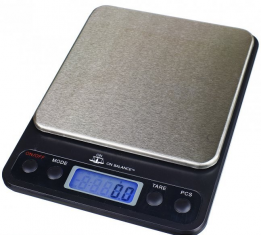
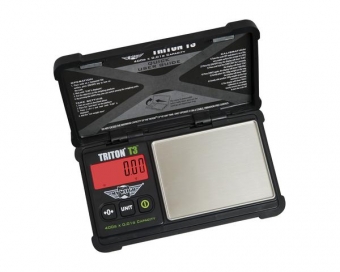
What is the difference between a pocket scale and a tabletop scale, and which one should I choose?

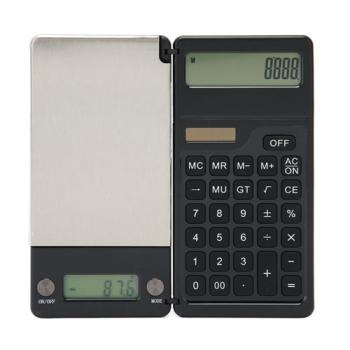
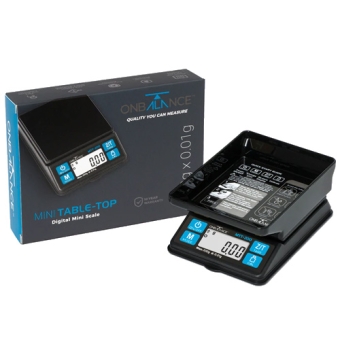
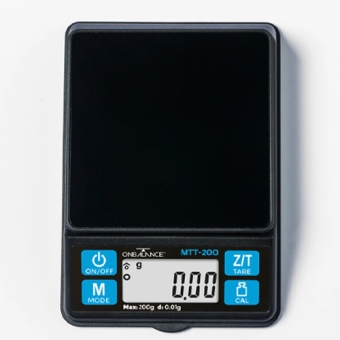
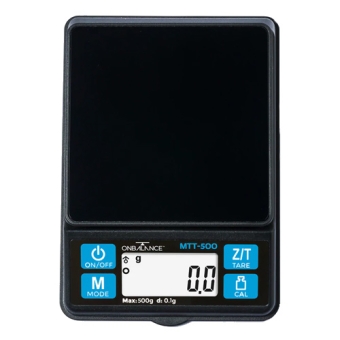
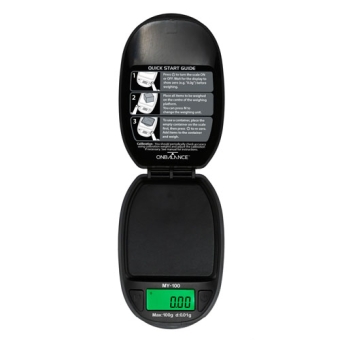
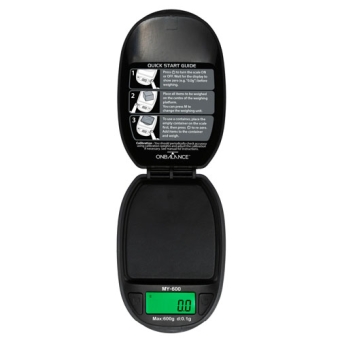
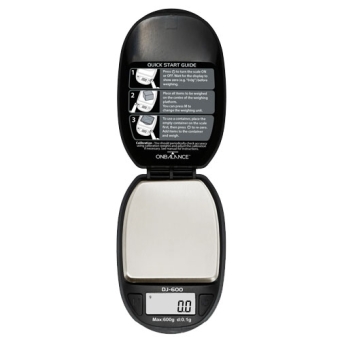
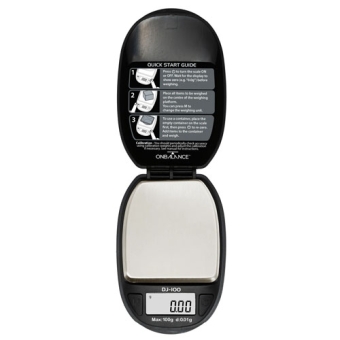
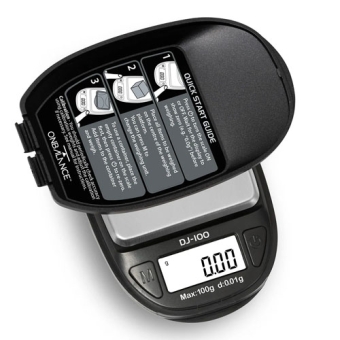
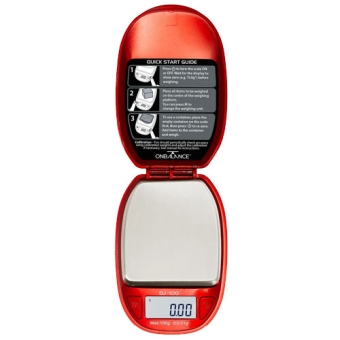
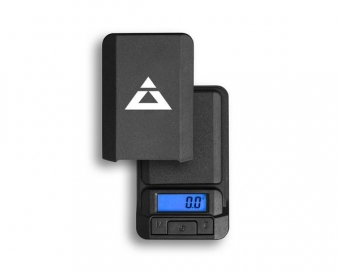
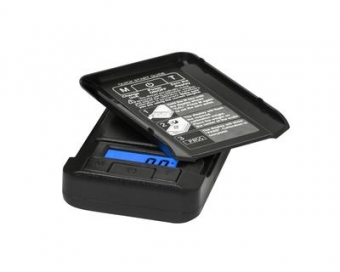
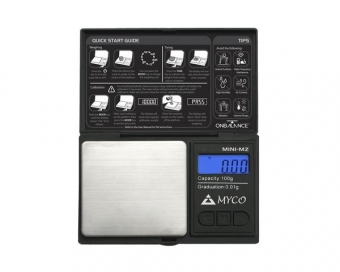
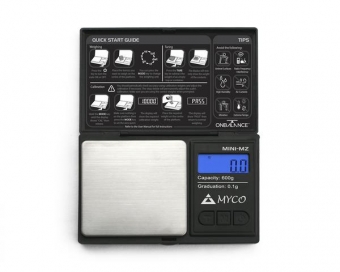
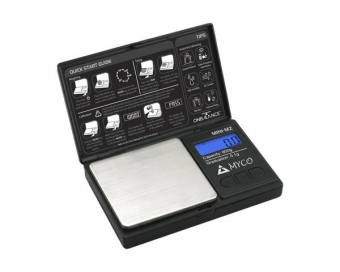
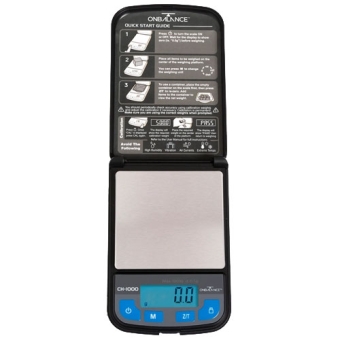
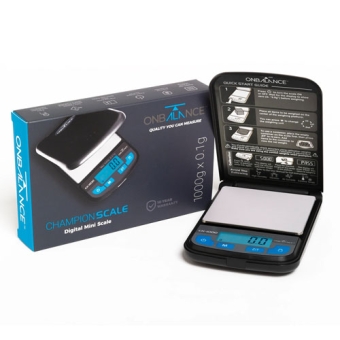
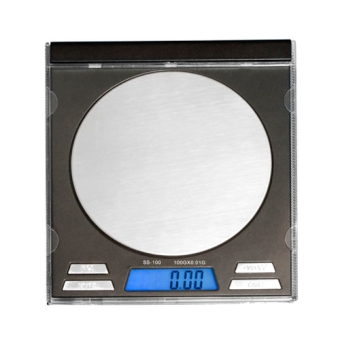
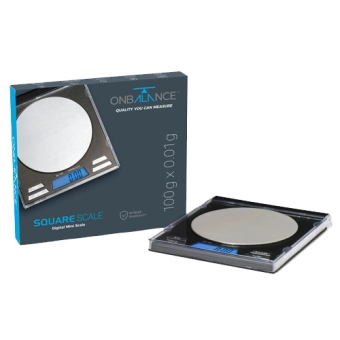
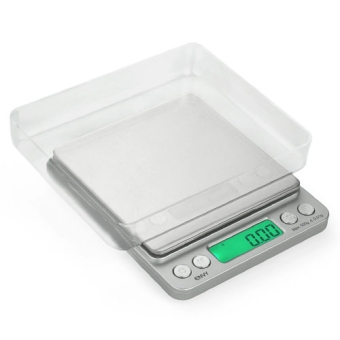
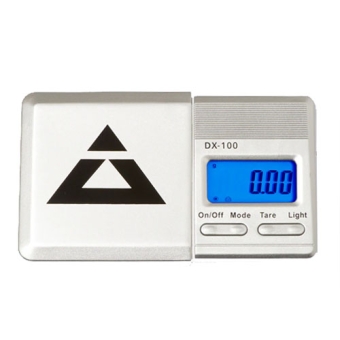
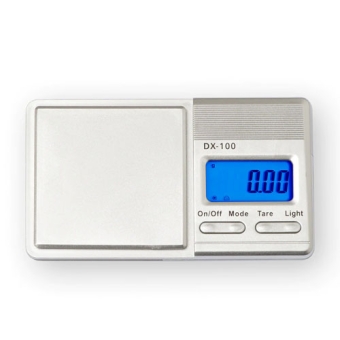
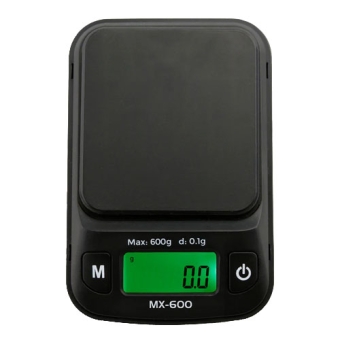
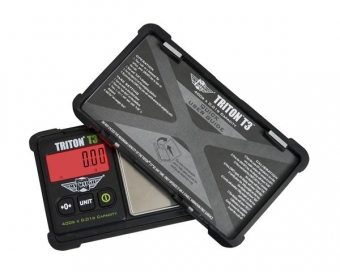
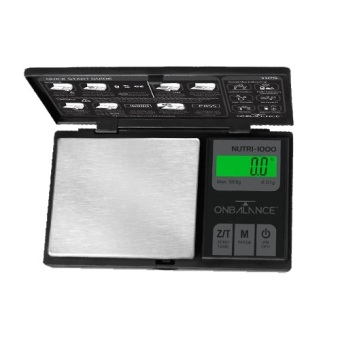
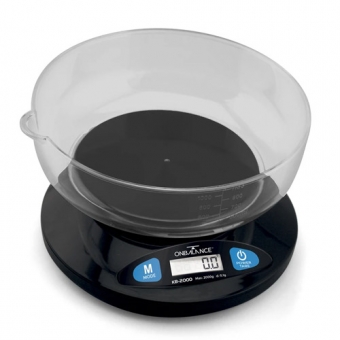
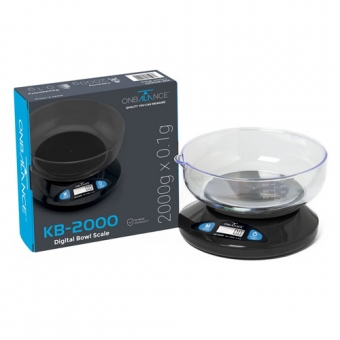
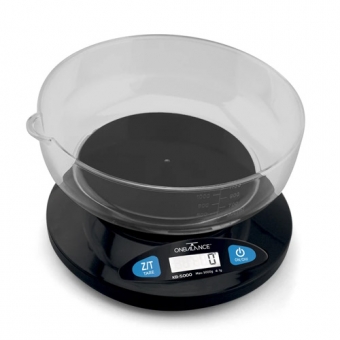
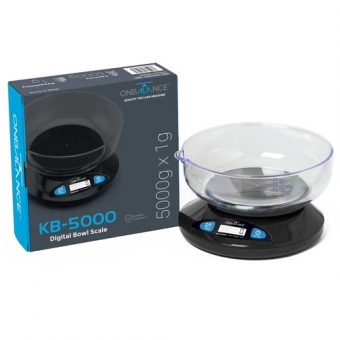
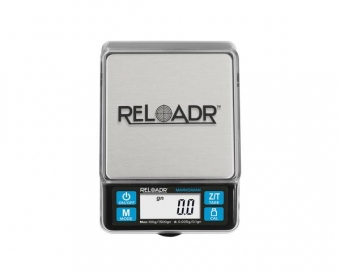
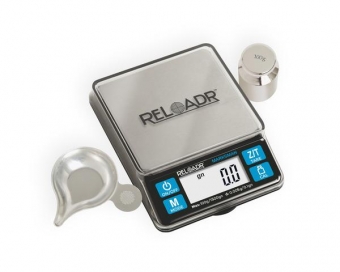
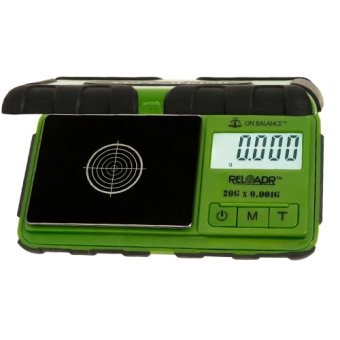
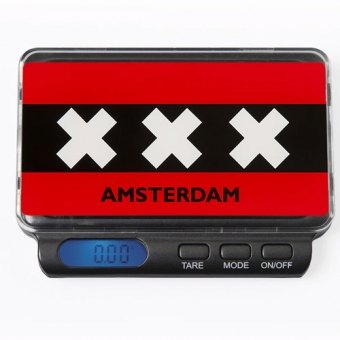
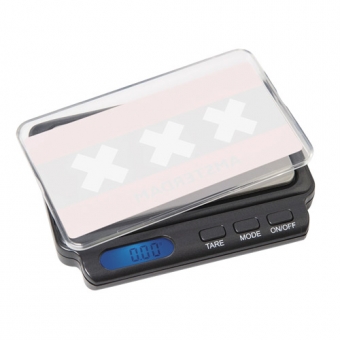
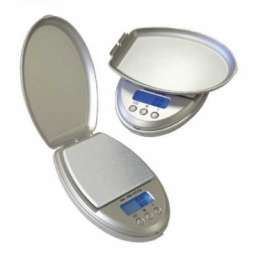
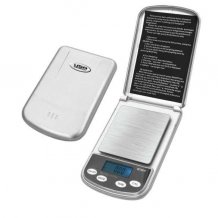
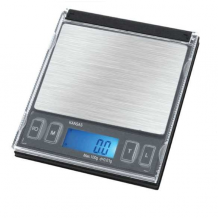
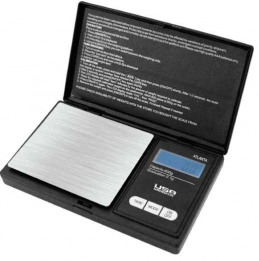
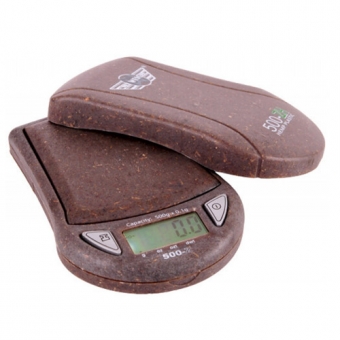
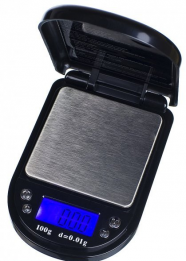
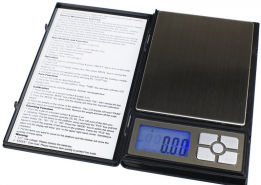
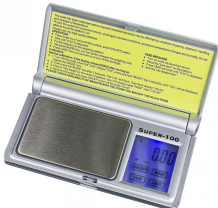
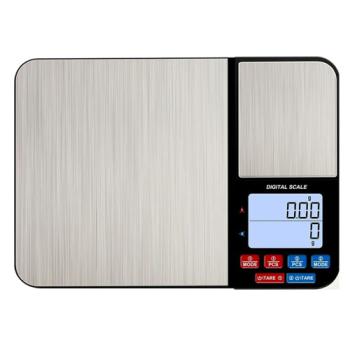
A pocket scale is compact, lightweight, and often folds up for transport, with a capacity typically ranging from 100 g to 500 g and a readability of 0.01 g. It’s ideal if you want to weigh items on the go or have limited space. A tabletop scale is larger, more stable, and often has a higher maximum weight capacity and sometimes finer readability. Due to its larger weighing surface and sturdier construction, a tabletop scale is better suited for intensive use or if you regularly weigh larger quantities. If you’ll be using the scale exclusively at home in a fixed location, choose a tabletop model. If you want flexibility and portability, a pocket scale is the better choice.