


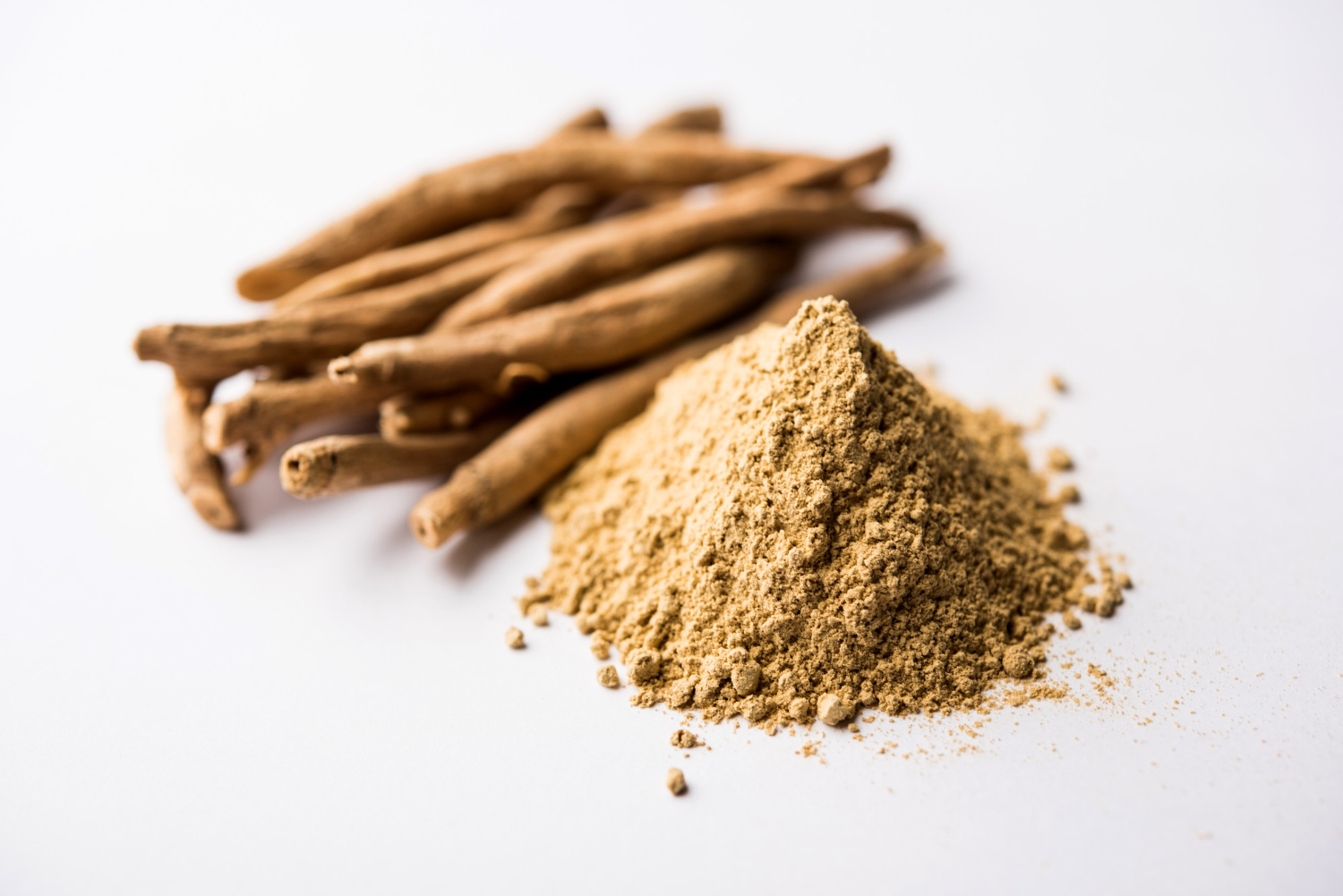
On behalf of Dutch-Smart, we welcome you to this comprehensive guide to Ashwagandha. We’ve put this guide together to inform you about the many aspects of this remarkable plant. Our goal is to provide you with reliable information so you can make informed decisions about incorporating Ashwagandha into your daily life. We hope that, like us, you will be inspired by the rich history and versatile health benefits of this plant. Let’s start with an introduction to Ashwagandha and dive into its history, origins, and use in Ayurvedic medicine.
Overview of Articles
- Ashwagandha Guide Part 1: Introduction to Ashwagandha
- Ashwagandha Guide Part 2: The Health Benefits of Ashwagandha
- Ashwagandha Guide Part 3: Different Forms of Ashwagandha and How to Use Them
- Ashwagandha Guide Part 4: Side Effects, Precautions, and Contraindications
- Ashwagandha Guide Part 5: Ashwagandha in the Kitchen: Delicious Ideas for Snacks and Dishes
- Ashwagandha Guide Part 6: Frequently Asked Questions About Ashwagandha
What Is Ashwagandha?
Ashwagandha, scientifically known as Withania somnifera, is a small, evergreen shrub native to India, the Middle East, and parts of Africa. The plant has been highly valued in Ayurvedic medicine for centuries due to its adaptogenic properties. Adaptogens are natural substances that help the body adapt to stress and promote normal physiological function.
Perhaps its most distinctive feature is its unique Sanskrit name, which literally translates to “smell of the horse.” This refers to the root’s characteristic scent—a reminder of a powerful creature—and to the belief that it gives a person the strength of a horse. Also known by alternative names such as Indian ginseng and winter cherry, this botanical remedy has been used for centuries in traditional Indian medicine and beyond to treat various medical conditions.
The History and Origins of Ashwagandha
Ashwagandha has a long history dating back more than 3,000 years. The plant was used in ancient India for its versatile therapeutic properties. It is mentioned in ancient Ayurvedic texts, such as the Charaka Samhita and the Susruta Samhita, which praise the plant for its ability to balance the body and promote overall health and well-being.
Over the centuries, the use of Ashwagandha spread to other parts of the world, including the Middle East, Africa, and eventually the West. Today, Ashwagandha is valued worldwide for its health benefits and is used in various forms, such as powders, capsules, tinctures, and tea.
Ashwagandha in Ayurvedic Medicine
In Ayurvedic medicine, Ashwagandha is considered a “Rasayana” or rejuvenating herb. It is used to strengthen the body, boost resistance to disease, and slow the aging process. Ashwagandha is believed to restore balance among the three doshas (Vata, Pitta, and Kapha), which is essential for maintaining good health according to Ayurvedic philosophy.
In Ayurveda, Ashwagandha is prescribed for a wide range of conditions, including stress, anxiety, fatigue, insomnia, memory problems, arthritis, and various skin conditions. The roots and leaves of the plant are processed into various remedies, such as powders, tinctures, and oils.
It is important to note that although Ashwagandha has been used in traditional medicine for centuries, the scientific community is still studying the plant to fully understand and validate its effects. While some studies may have yielded promising results, further research is needed to confirm the full scope of Ashwagandha’s benefits. For this reason, the potential health effects of Ashwagandha have not yet been officially approved by the European Commission.
Nevertheless, Ashwagandha remains a popular supplement in both traditional and modern medicine, and many people swear by its benefits. If you’re interested in trying Ashwagandha, we recommend consulting with a healthcare provider to ensure it’s appropriate and safe for your specific situation and needs.
In the next section of this guide, we’ll delve deeper into the health benefits of Ashwagandha, focusing primarily on its traditional uses. We hope this guide helps you make an informed decision about incorporating Ashwagandha into your life and inspires you to learn more about this fascinating plant.


