


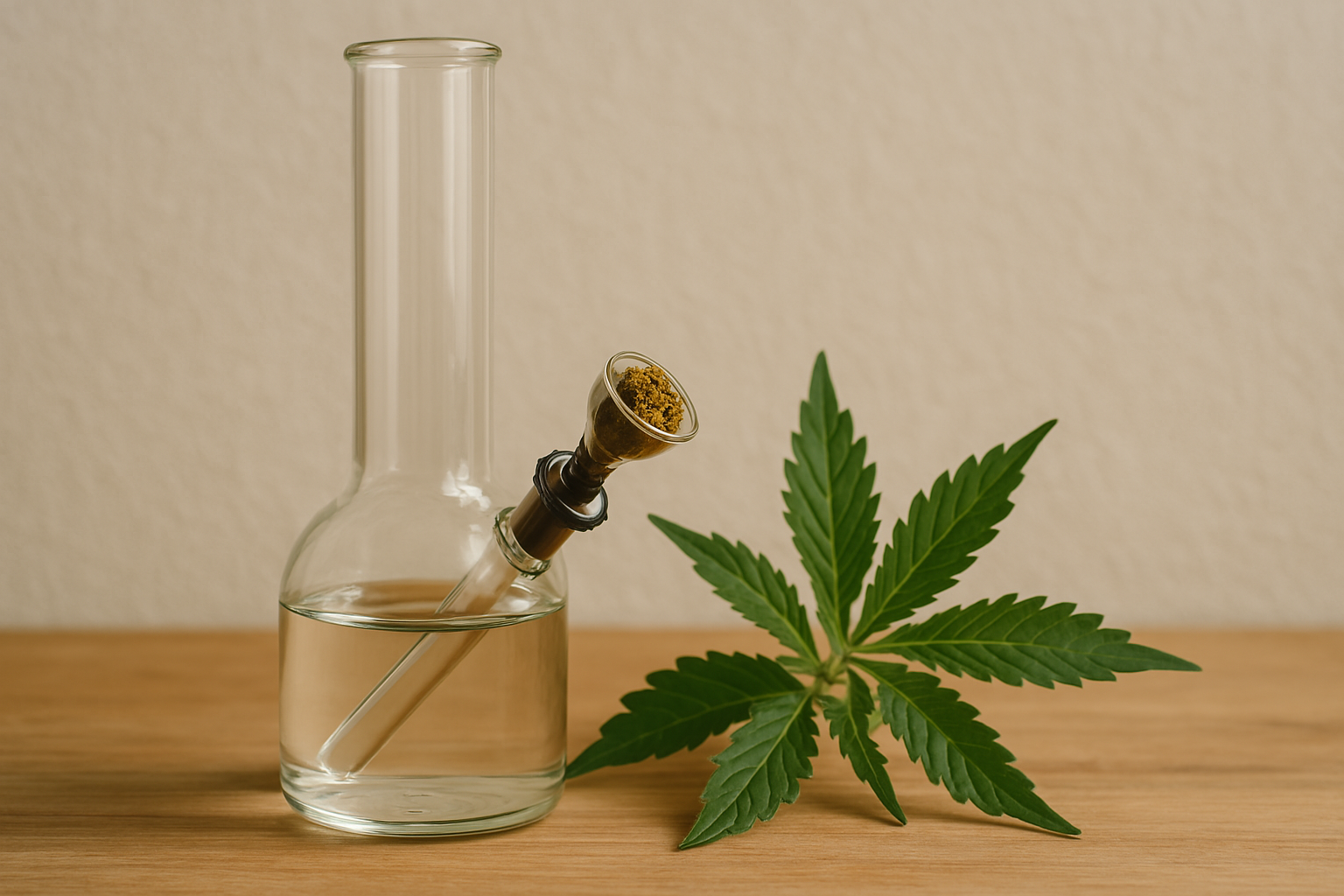
 The bong, also known as a water pipe, is an iconic piece of equipment in the world of smoking. You see them in movies, music videos, and you might even have spotted one at a friend’s house. For beginners, such a device can look quite intimidating with its various parts and the bubbling water. But don’t worry! Using a bong is actually surprisingly simple once you know how it works. In fact, many enthusiasts swear by it because of the unique experience it offers.
In this blog, we’ll walk you through the process step by step. From filling it with water to lighting it and inhaling, and of course cleaning it (because that’s part of the deal!). Whether you’ve just purchased your first bong from our extensive collection or are simply curious, after reading this article you’ll know exactly how to handle it. So grab your bong (or just daydream about it for a moment) and let’s get started! Important: This article is intended as an informative guide on how to use a bong. We encourage responsible use of tobacco products and advise you to familiarize yourself with the laws and regulations in your region.
What is a bong and why would you use one?
Before we get started, let’s cover the basics. A bong is essentially a water pipe specifically designed for smoking dried herbs. Although there are countless designs, most bongs have a few standard parts:
- The Water Chamber (Base): The bottom part of the bong that you fill with water. This can be a round “beaker” shape or a straight tube.
- The Chillum (Downstem): A tube that extends diagonally downward from the outside of the bong into the water chamber. The end submerged in water often has small holes or slits (diffuser) to better disperse the smoke.
- The Bowl: The small bowl where you place your herbs. This fits into the top end of the chillum. Bowls are often removable.
- The Carb Hole (Kickhole): A small hole on the side of the water chamber (not all bongs have this!). This allows you to control the airflow while inhaling.
- The Neck (Tube): The long tube that runs from the water chamber to the mouthpiece. This is where the smoke collects. Some necks have “ice notches” for holding ice cubes.
- The Mouthpiece: The opening at the top of the neck where you place your mouth.
 The principle is simple: when you inhale through the mouthpiece while heating the herbs in the bowl, the smoke is drawn down through the chillum, bubbled through the water, and then up into the neck. The water serves two main functions here: it cools the hot smoke and filters out potentially larger particles such as ash. Many users find that the smoke from a bong feels “softer” and “cooler” than smoke from, say, a dry pipe. The experience is also often described as more potent or more immediate, because you can inhale a relatively large amount of smoke in a short period of time.
Types of bongs: a world of choices
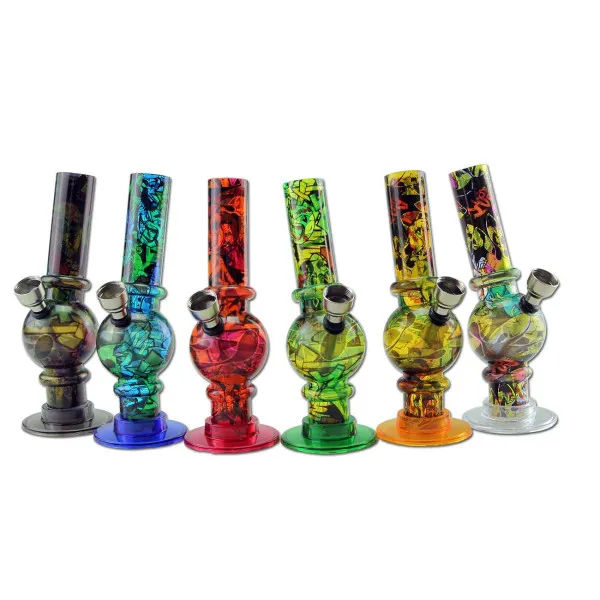
If you browse our bong category, you’ll see that the selection is huge! Bongs come in all shapes, sizes, and materials. The main differences:
- Material:
- Glass: Often made of borosilicate glass (heat-resistant). Loved for its pure taste, appearance, and the ability to create complex designs (such as percolators). Downside: fragile. Example: Black Art Glass Bong.
- Acrylic: Plastic bongs are cheaper, lightweight, and much less fragile than glass. Ideal for parties or beginners. Downside: can slightly affect the taste and is harder to keep spotless. Example: Acrylic Bong All-Over-Print.
- Silicone: Relatively new, but popular. Virtually unbreakable, easy to clean (sometimes even dishwasher-safe), and often available in bright colors. Example: Eyce Sidecar (rig/bong).
- Ceramic: Less common, often artistically designed. Can provide a good flavor, but is also fragile.
- Size: From small, discreet mini-bongs that are easy to carry, to massive XXL bongs for the serious user. Larger bongs generally offer more cooling and a larger smoke volume.
- Shape:
- Beaker Bongs: Have a wider, flask-shaped base that stands stably. Example: Black Leaf Ice Bong Pink.
- Straight Tubes: Simple, straight tube-shaped bongs.
- Percolator Bongs: Contain additional water chambers or structures (percolators) in the neck that filter the smoke through water a second time and cool it for an extra smooth experience.
- Extras:
- Ice Notches: Notches in the neck where you can place ice cubes for maximum cooling.
- Diffused Downstem: A chillum with slits or holes at the end for smaller bubbles and better filtration.
- Splash Guard: A dome or narrowing above the water chamber to prevent water from splashing into your mouth.
The choice of bong type depends on your budget, how often you use it, where you use it (at home or on the go), and your personal preference for taste and experience.
Step-by-step: how to use your bong
Okay, enough theory, time for practice! Here’s a simple step-by-step guide:
- Fill with water: Pour clean, cold water into the bong through the mouthpiece. Fill it so that the bottom end of the chillum (the tube that holds the bowl) is about 1–2 centimeters submerged. Too little water won’t filter properly; too much water and you’ll get water in your mouth (not pleasant!).
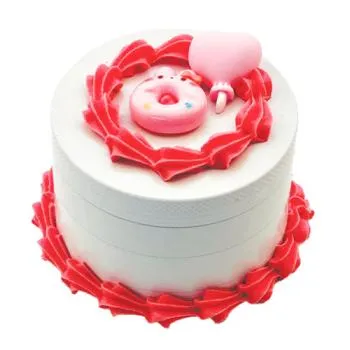
- Prepare your herbs: Make sure your herbs are well crumbled for even burning. A grinder is ideal for this. Whether you choose special smoking herbs or something else, a good grind is important.
- Place a screen (optional, but recommended): To prevent your crumbled herbs from falling through the opening of the bowl into the water, you can place a metal pipe screen in the bowl.
- Fill the bowl: Place the crumbled herbs loosely in the bowl on top of the screen. Don’t pack it too tightly, as this will prevent air from flowing through properly.
- Place the bowl: Insert the filled bowl into the opening at the top of the chillum.
- Hold the bong firmly: Find a comfortable position. If your bong has a blowhole, place your finger over it to seal it.
- Mouth to the mouthpiece: Place your lips completely over the mouthpiece and seal it tightly so no air can escape.
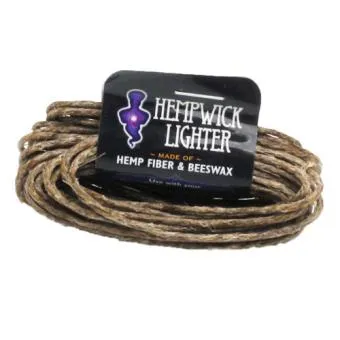
- Heat the herbs: Hold the flame of your lighter or hemp wick just above the edge of the herbs in the bowl. You don’t need to hold the flame directly over them.
- Inhale slowly and evenly: Start drawing in gently. You’ll see the smoke being pulled down through the chillum, bubbling through the water (that’s the signature bong sound!), and filling the neck of the bong. Continue until you have the desired amount of smoke in the chamber, or until the herbs are (almost) burned out.
- Clear the chamber: This is the moment of the “hit.” Remove your finger from the air hole (if you have one) OR carefully lift the bowl out of the chillum. This allows fresh air to flow into the bong, carrying the smoke out of the neck as you inhale forcefully.
- Exhale and enjoy: That’s it! Exhale the smoke slowly.
It might sound like a lot of steps, but after a few tries, it’ll become second nature!

Tips for a better bong experience
Want to get the most out of your bong? Here are a few extra tips:
- Clean water is king: Change the water in your bong as often as possible, ideally before every session. Stale, dirty water not only tastes bad, it also filters less effectively and is unhygienic.
- Ice, ice, baby: Does your bong have notches in the neck (ice notches)? Use them! Fill the neck with ice cubes (above the water level) for a super-chilled, smooth smoking experience.
- Don’t suck too hard: Inhale calmly and in a controlled manner. Sucking too hard can cause water to get into your mouth or the herbs to burn too quickly.
- Chamber control: Practice timing when to release the chamber or lift the bowl. The goal is to efficiently draw all the smoke out of the chamber without sucking in too much extra air.
- Clean it! Yes, we’ll say it again. A clean bong provides the best taste and experience. More on that below.
Cleaning your bong: a necessary chore
A dirty bong isn’t just unappealing; it also affects the taste of your smoke and can become a breeding ground for bacteria. Regular cleaning is therefore essential. Fortunately, it’s not as difficult as it seems.
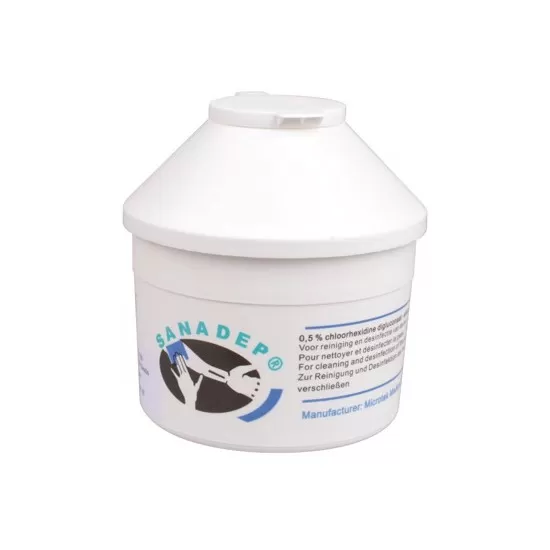
- Empty and rinse: Pour out the old water and rinse the bong thoroughly with hot water to remove loose debris.
- Disassemble: Remove the bowl and chillum from the bong. Clean these separately.
- Add cleaning solution: There are special bong cleaners on the market, but a common and effective method is to use isopropyl alcohol (IPA, at least 90%) and coarse salt (such as sea salt or Epsom salt). Pour a generous splash of alcohol and a few tablespoons of salt into the bong. For the bowl and chillum, you can use a sealable plastic bag with some alcohol and salt.
- Shake and scrub: Seal the openings of the bong (with your hands, special caps, or plastic wrap and rubber bands) and shake vigorously. The salt acts as an abrasive to loosen the residue, while the alcohol dissolves it. Also shake the bag with the loose parts. For stubborn grime, you can use pipe cleaners or special bong brushes.
- Rinse thoroughly: Pour out the dirty alcohol-salt mixture (do not pour it down the drain if there is a lot of residue in it) and rinse the bong and parts *very well* with hot water, followed by cold water. Make sure all alcohol and salt residue is gone.
- Drying: Let the bong and its parts air dry completely before using it again.
How often you clean depends on how often you use the bong. But a quick rinse after each use and a thorough cleaning once a week or every two weeks will keep your bong in top condition.
Let’s get smoking!
As you can see, using a bong isn’t complicated at all. With a little water, your favorite herbs, and the right technique, you can enjoy a unique, water-cooled smoking experience. Whether you choose a simple acrylic bong for on the go or an elaborate glass percolator bong for home, the principle remains the same. Don’t forget to keep your accessories, like grinders and screens, handy, and above all: keep your bong clean!
Take a look at our wide selection of bongs and water pipes and find the one that perfectly suits your style and moment. Have fun and enjoy responsibly!


