

Growing San Pedro Cacti
The San Pedro cactus is a giant cactus with very special properties. You can grow the San Pedro cactus yourself in your garden or greenhouse. Want to find out how to grow the San Pedro cactus and what special properties it has? Then keep reading!
The San Pedro cactus belongs to the Echinopsis family. You can find this cactus in the Andes Mountains, where it grows at an altitude of 3,000 meters. You can also find the San Pedro cactus in Peru, Argentina, Chile, and Bolivia. Today, it is cultivated all over the world. The cactus grows quickly and can reach a diameter of 6 to 15 centimeters. On the cactus, you’ll find white buds or areoles. These are evenly spaced along the stem. San Pedro is one of the larger cactus species and can grow to be 3 to 6 meters tall.
What can the San Pedro do?
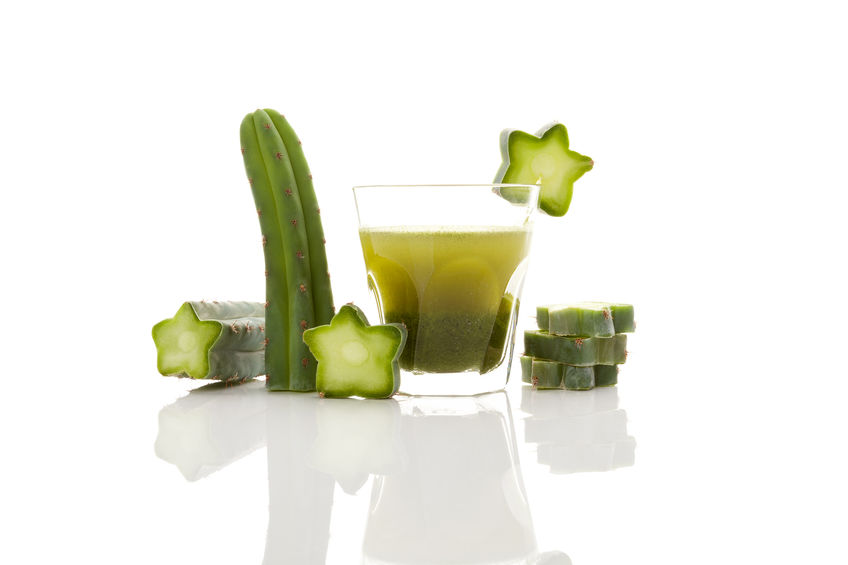
Now that you know what kind of plant the San Pedro is, let’s discuss its other unique characteristics and why people cultivate the San Pedro cactus. This plant has been used in religious ceremonies in the Americas for over 3,000 years, primarily in Peru. Remains of sculptures of the San Pedro have even been found! The indigenous tribes would slice the cactus into pieces and then cook them. The cactus soup was then cooled before being drunk. This was likely done in combination with other psychoactive plants to enhance the effect.
The San Pedro is known for its psychoactive effects. These come from the alkaloids produced in the cactus. Mescaline is one of the alkaloids found in the San Pedro and is well known for its hallucinogenic effects, which are similar to those of LSD.
These are the effects of mescaline:
- Distorted sense of time
- Visual hallucinations (both with eyes open and closed)
- Distorted self-awareness
- Altered cognitive function
Let’s grow some!
Growing the San Pedro cactus is easy to do at home. You might want to grow it for its special effects or simply because you love cacti. To germinate the plant, you’ll need to gather a few supplies: perlite, San Pedro seeds, potting soil, a plastic container, fine sand, and pebbles.
Step 1
Take the plastic container and poke several holes in it. You make these holes to prevent your cactus from drowning. The cactus cannot grow in soil that is too moist. This can cause the roots to rot, and then you can say goodbye to your cactus.
Step 2
Take the pebbles and divide them into two equal piles. Spread one of these piles over the plastic container to create the first layer. The second layer consists of a mix of perlite, sand, potting soil, and the remaining pebbles. You can place this mix in the oven for 1 hour at 80°C. If you do this, you can be sure there are no harmful microorganisms in your cactus seeds.
Step 3
Add a little water to the soil mix. The soil needs to be saturated. If you’ve added too much water, no problem! Just add some extra potting soil and it’s fixed. Once you’ve added a little water, you can pour everything on top of the pebbles in the plastic container.
Step 4
Now it’s time for the San Pedro seeds! Take a few seeds and scatter them over the container. Once you’ve done this, use a stick or another object to press the seeds a few millimeters into the soil mix.
Care
The cactus thrives best in temperatures between 20 and 30 degrees. The best spot is on the windowsill near the heater or another heat source. Be sure to keep an eye on the soil’s moisture level; your San Pedro seedling must not dry out. While it is still a seedling, the soil must always be moist; the best way to do this is by regularly misting the soil. However, once the seedling has grown into a cactus, this is no longer necessary. The cactus will then thrive in a drier environment.
For the first 18 hours, it’s best to place the cactus under artificial light. After about two months, you can place your cactus in indirect sunlight. After about a year, it can tolerate direct sunlight.
Good luck growing your San Pedro cactus! Do you have any additional questions? Please contact us, and we’ll do our best to help you as much as possible!