


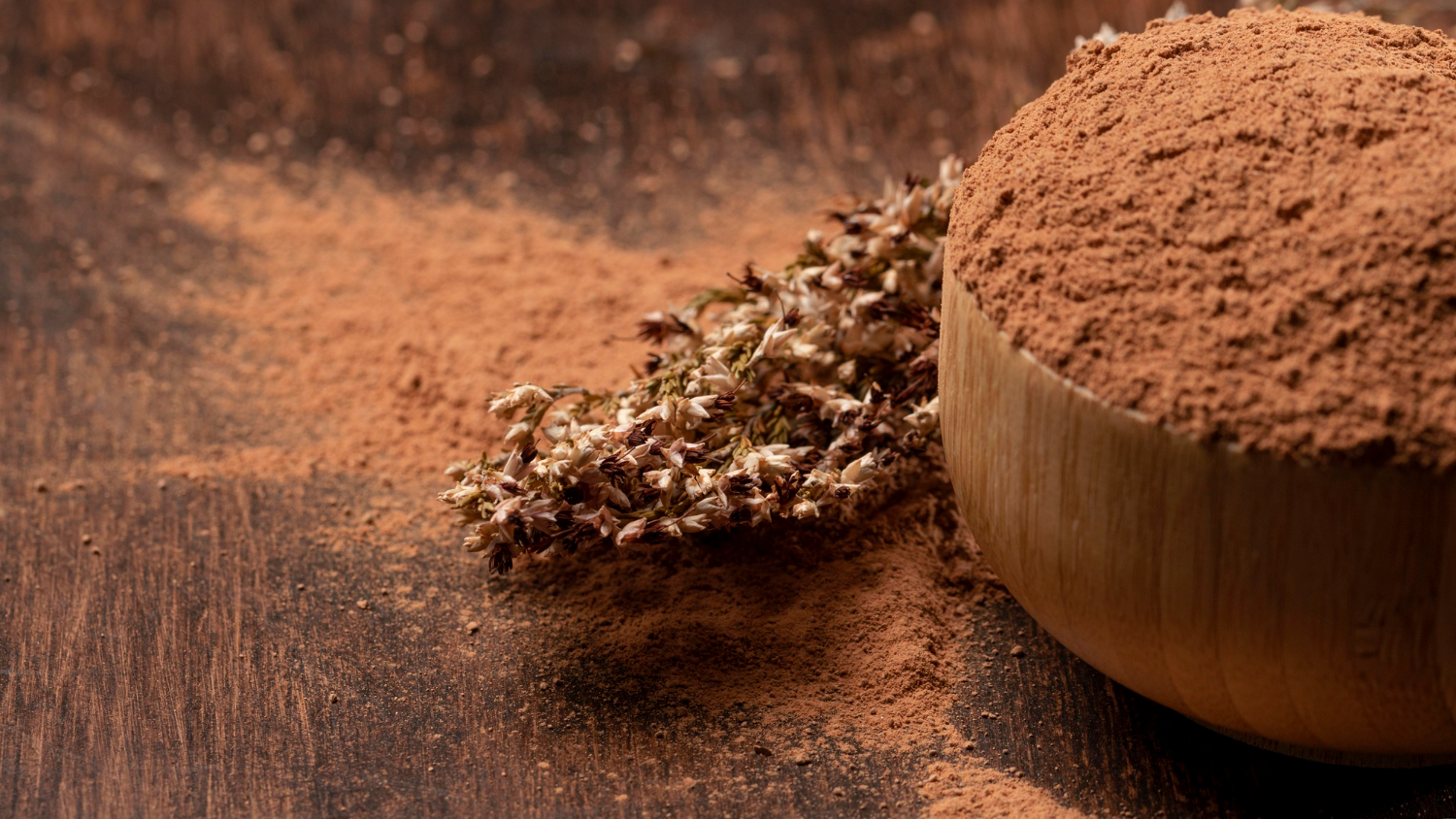
Have you ever heard of rapé? This traditional snuff from the Amazon region has been gaining popularity in recent years, but what exactly is it? If you’re curious about this centuries-old tradition, you’ve come to the right place. Today we’re diving deep into the world of rapé: from its rich history and traditional preparation methods to its effects and modern use. You’ll also read more about one of our employees’ experience using it. Curious? Then read on!
What exactly is rapé?
Rapé (pronounced "ha-PAY") is a traditional snuff that has been used for centuries by indigenous tribes in the Amazon region, particularly in Brazil, Peru, Colombia, and Venezuela. The word itself comes from Portuguese and simply means “grated” or “finely ground,” referring to the production process. But make no mistake, rapé is much more than just tobacco—it is a carefully crafted blend of various plant-based ingredients that involves a great deal of time, knowledge, and ceremonial significance.
The base of rapé usually consists of wild tobacco (Nicotiana rustica), a much stronger variety than the commercial tobacco you know from cigarettes. This tobacco contains up to 20 times more nicotine than regular tobacco! But what really makes rapé special is that it is mixed with the ash of certain sacred trees and is often enriched with other medicinal plants, herbs, seeds, and sometimes even crystals or resins.
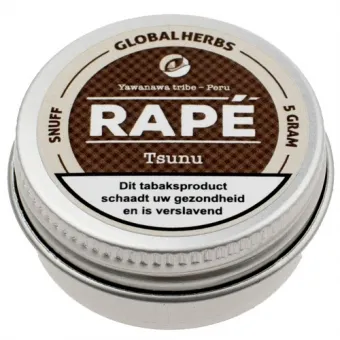
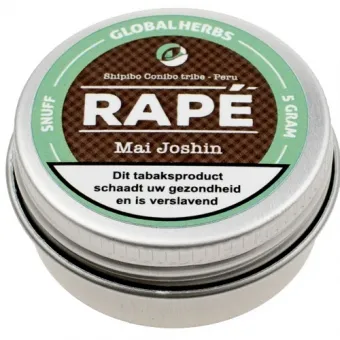
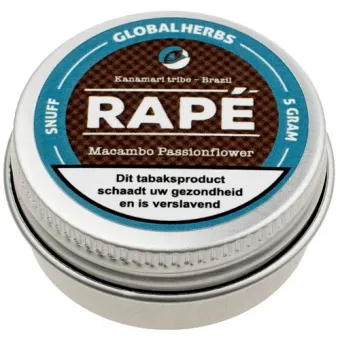
Each indigenous tribe has its own unique recipes that are passed down from generation to generation. Some rapé blends contain up to thirty different ingredients, each with a specific purpose and meaning. This makes rapé not just a recreational substance, but a true medicine and spiritual aid within these cultures.
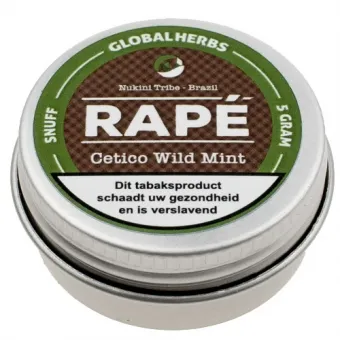
The traditional preparation of rapé
Making traditional rapé is an art in itself and often follows strict protocols and ceremonies. The preparation begins with gathering the right plants at the right time—often under specific moon phases or seasons. The tobacco leaves are dried and then finely ground into powder.
Meanwhile, ash is made from specific trees considered sacred within the tribal culture. This ash is not just any ingredient; it serves as an activator that releases the alkaloids in the tobacco and ensures better absorption by the body’s mucous membranes. It also adds essential minerals.
The ingredients are mixed with great precision and often accompanied by prayers, songs, or other rituals. The end result is a very fine, dry powder that is usually gray to brownish in color, depending on the specific ingredients.
How is rapé used?
Contrary to what you might think, the use of rapé has nothing to do with recreational drug use as we know it in the West. It is a serious, often sacred practice deeply rooted in ancient traditions and ceremonies. Let’s take a look at the different ways rapé is traditionally used.
Traditional Administration Methods
Rapé is almost always administered through the nose, but not as you might think! Snorting is not done independently with a straw, as with some modern drugs, but with the help of special tools:
- Kuripe: A V-shaped pipe used for self-administration. You place one end in your nostril and the other in your mouth, allowing you to blow the rapé into your own nose. View the kuripe here.
- Tepi: A longer, straight pipe used for administration by another person. The “administerer” forcefully blows the rapé into the recipient’s nostril.
This method of administration ensures that the fine powder reaches deep into the nasal passages, leading to an intense experience. And intense it certainly is! Here’s what you can expect:
The immediate physical reactions
Okay, let’s be honest: using rapé doesn’t feel great. As soon as rapé enters your nostril, a cascade of physical reactions follows. The first thing you’ll likely experience is an intense burning sensation, followed by a powerful urge to sneeze, tears in your eyes, and sometimes even gagging or vomiting. This may not sound particularly pleasant, but in traditional contexts, it’s seen as an important part of the cleansing process.
The body reacts by loosening mucus, which is expelled along with saliva, tears, and sometimes vomit. Spiritually, this is interpreted as the literal expulsion of negative energies and blockages, both physical and mental. After this initial intense phase, which can last about 5–15 minutes, there is often a feeling of extreme clarity, relaxation, and grounding.
What exactly does it do to you?
The effects of rapé are multifaceted and work on various levels: physical, mental, and spiritual. Let’s take a closer look at each aspect.
Physical effects
Rapé has a number of distinct physical effects that are noticeable both immediately and in the long term:
- Immediate effects:
- Increased heart rate and blood pressure (due to the nicotine)
- Intense stimulation of the mucous membranes in the nose, throat, and lungs
- Increased saliva production and tearing
- Dilation of blood vessels in the brain
- Stimulation of the central nervous system
- Potential therapeutic effects:
- Opening of blocked sinuses and airways
- Relief of headaches and migraines
- Reduction of fatigue
- Detoxification through increased mucus secretion
- Improved focus and concentration
Some users also report that regular use of rapé can help with seasonal allergies, sleep problems, and even in reducing addictions to other substances.
Mental and emotional effects
Mentally, rapé can have a powerful effect. Many users describe a feeling of “resetting” or “restarting” the mental system. Specific effects may include:
- A sudden mental clarity and heightened awareness
- A calming effect on an overactive mind
- Reduction of anxiety and stress
- Increased presence in the moment
- A sense of connection with yourself and your surroundings
- Emotional release and sometimes even cathartic experiences
It is important to understand that these effects may vary depending on the specific rapé blend, your intention for use, and your personal sensitivity.
Spiritual dimension
In the traditional context, the spiritual dimension is perhaps the most important aspect of rapé. Indigenous peoples view rapé as a sacred medicine that:
- Strengthens the connection to the natural world and ancestral wisdom
- Removes energetic blockages and restores the flow of energy in the body
- Opens the mind to visions and insights
- Offers protection against negative energies
- Helps set intentions and find direction
- Serves as preparation for or integration of other plant medicines such as ayahuasca
Many people who use rapé in a ceremonial setting describe profound spiritual experiences and insights that continue to resonate long after the actual physical effects have subsided.
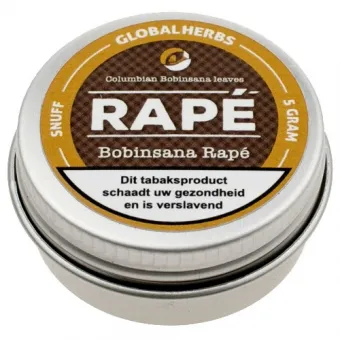
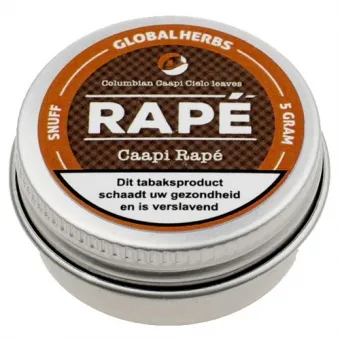
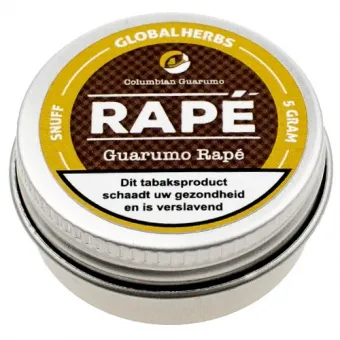
The different types of rapé I’ve tried
Okay, so just like I used to think all red wine was the same (until my ex-boyfriend took me to a wine tasting and I sounded totally clueless), I also used to think that rapé was just rapé. Wrong! There are so many different types, and believe me, you can feel the difference! Here are the varieties I’ve tried myself, ranging from “wow, that’s not so bad” to “holy moly, what’s happening to my face?!”
My snuff journey
- Tabaco rapé: This was my first one. I thought I was being smart by starting with the “basic” one. Let me tell you— “mild” is relative when your nose is on fire! But the clarity that followed was totally worth it.
- Mint rapé: This became my favorite for the morning. It feels like someone is breaking open your sinuses with an ice-cold crowbar, but in a good way? Perfect when I’m congested after a night of sleeping with the AC too high.
- Cacao rapé: My festival friend recommended this as “rapé for beginners” because it’s a bit milder. He said it opens your heart, and although I’m usually skeptical of that kind of language, I did indeed feel incredibly loving and open after using it. Or maybe that was just because it hurt less than the other varieties!
- Rapé with medicinal plants: A shaman in Ecuador made a special blend for me when I complained about my chronic headaches. I have no idea what was in it, but after just one session, my headache—which I’d had for three days—was GONE. Coincidence? Maybe. But I wish I’d brought more of that stuff home with me.
- Caapi rapé: This one felt like I was being pinned to the ground. Not necessarily pleasant, but perfect for those times when my thoughts are flying all over the place and I need to feel “grounded.”
- Parika/Yopo rapé: Let me be honest—this one was INTENSE. Too intense for me. I saw geometric patterns for about 15 minutes and then decided this is a “special occasions” rapé, not for everyday use!
Each variety has its own “personality” and is often used for specific purposes or intentions. Some are mild and suitable for beginners, while others are extremely potent and should only be used by experienced users or under the guidance of a connoisseur.
How I first encountered rapé: From Brabant to the Amazon
Who would have thought that a girl from an average Dutch village would one day find herself in the middle of the Amazon with a little wooden pipe in her nose? Certainly not me! And yet that was exactly where I ended up in 2018 after a journey that began with a simple yoga retreat in Peru.
My first “what am I even doing here?” moment
Believe me, it wasn’t my plan to start experimenting with plant-based medicines. I was just looking for some peace and quiet after a rough breakup and a burnout at work. But during that yoga retreat, I met Sophia, a middle-aged German woman who had been traveling back and forth between Europe and South America for ten years. “You really have to try rapé,” she said with that typical conviction of someone who has discovered something she’s absolutely raving about.
At first I thought, “Yeah, right—another one of those Westerners who thinks she’s ‘enlightened’ just because she uses some exotic plants.” But as the week went on, I saw how centered, calm, and authentic Sophia was. Not the stereotype I’d expected.
So, a few days later, I followed her to a small village, an hour’s drive from our resort. There, in a simple hut with a palm-leaf roof, I was introduced to rapé, and my life changed. Okay, that sounds dramatic, but it was a turning point. These days, you see rapé at every spiritual festival in the Netherlands, in special ceremonies in Amsterdam, and even in some yoga studios. It’s a long way from the Amazon to the Amsterdam canals, but it’s made it!
My own cultural struggle with rapé
When I first discovered rapé during my trip through Peru, I really struggled with the question: “Is it actually okay for me to do this as an outsider?” To be honest, I felt a bit like a cultural tourist. There I was, a typical Westerner with my North Face backpack, participating in something that is sacred and profound to the local people.
After a good conversation with my guide Miguel (who, by the way, has the most infectious laugh you’ll ever hear), I understood that sharing this tradition is also a way to keep their culture alive. “We share this with an open heart,” he said, “but always remember where it comes from.”
Since then, I’ve only bought my rapé from companies that work directly with indigenous communities, like Dutch-Smart. It costs a bit more, but hey, that’s a small price to pay for something so valuable. And I try never to use it as an “oh, this is cool to do at a party” thing. That just doesn’t feel right to me.
I think it all comes down to intention. If you use rapé because you’re genuinely seeking a connection with yourself and have respect for its origins, then I think you’re on the right track. At least, that’s how I keep it pure for myself.
The time I did NOT use rapé properly (read: what you’re better off avoiding)
I’m not usually a fan of sharing my most embarrassing moments online, but I’ll make an exception this time. Because trust me, no one needs to repeat my 2019 rapé fiasco.
My epic rapé fail
So, I’d decided I was “experienced” enough to use rapé on my own. My friend had left some strong Yopo rapé behind, and I thought, “Perfect for that deadline I’m working on!” (Spoiler: it wasn’t perfect at all).
What went wrong? Let me count:
- Too much, way too fast: I used a dose suitable for someone with twice my weight and experience. My body was… not happy.
- Allergic reaction: Apparently, I’m slightly allergic to one of the plants in this specific blend. My face swelled up until I looked like a pufferfish.
- Forgot my medication: I was taking blood pressure pills at the time and had completely forgotten that rapé and that medication don’t mix. My heart felt like it was trying to escape from my chest.
- Shared my pipe: After my “amazing experience,” I lent my pipe to a friend. We both got sick. No idea who infected whom, but it was a good reminder about hygiene.
When you should REALLY avoid rapé
After my debacle, I decided to do some serious research. Here’s when you absolutely should not try rapé:
- If you’re pregnant or breastfeeding (duh, but still important)
- If you have heart problems
- If you’re taking medication, ESPECIALLY blood pressure medication or antidepressants
- If you’ve had psychotic episodes
- If you’re under 18 (sorry teens, your brain is still developing)
- If you’re alone and trying it for the first time (find a friend or a partner!)
My checklist for foolproof rapé sessions
After my “learning experience,” I created a personal checklist:
- Start with a tiny-tiny dose (seriously, a quarter of what you think you need)
- Try milder varieties first (cacao rapé is your friend as a beginner)
- Make sure someone who knows what they’re doing is there (thanks, experienced friends!)
- Clean those pipes thoroughly! (alcohol wipes are your best friend)
- Drink SO MUCH water (before, during, after—your body needs it)
- Skip the alcohol and other substances (your nervous system will thank you)
- Plan a quiet day afterward (your body needs time to process what happened)
I promise you, this checklist would have saved me a lot of trouble if I’d had it sooner!
Why I still use rapé (despite my stupid mistakes)
After all my stories about burning nostrils, tears, and even that one allergic reaction, you might be wondering: “Why on earth does she keep doing this?” Honestly, sometimes I wonder that too, especially when I’m sitting in a corner of the room sniffling with a face that looks like I’ve just cried a marathon.
But here’s the thing—rapé has given me things I haven’t found anywhere else. When I was stuck in a cycle of grief and unresolved emotions in 2020, it was a rapé ceremony that broke the dam. I cried for three hours, but afterward I felt lighter than I had in months.
When my head is so full of thoughts that I can’t even meditate (hello, sensory overload anxiety!), rapé brings me back to my body in seconds. When I’m stuck in a creative process or have writer’s block for my blog, rapé often gives me that fresh perspective I need.
Is it for everyone? Absolutely not. Is it a miracle cure? Not that either. But for me, it has become a tool in my wellness toolkit, alongside yoga, meditation, journaling, and the occasional glass of good wine with friends.
If you’re curious about rapé, I recommend approaching it slowly. Find a trustworthy guide. Respect its origins. Start small. And be prepared to snort for a while—it’s just part of the experience!
And if you decide it’s not for you? That’s perfectly fine, too. There are so many paths to connection, clarity, and well-being. Rapé is just one of them—and, as it happens, the one that helped me.
Update — March 9, 2026
Additional information: pharmacology, types, and safe use
Since this article was first published, more has been learned about the pharmacology of rapé and the risks associated with improper use. Below you’ll find an update to the text above.
Why the ash in rapé is not a minor detail
The plant ash used in traditional rapé has a specific pharmacological function: as an alkalizing agent, it raises the pH in the nasal mucosa. A higher pH significantly enhances the absorption of nicotine and other alkaloids through the mucosa. This is the same principle underlying the use of lime when chewing betel nut and coca. The ash is therefore not merely a ceremonial symbol, but a functional ingredient with a direct effect on the bioavailability of the active substances.¹
Yopo and parika: a different category
As described above, yopo/parika rapé is a different category from most other mixtures. Seeds of Anadenanthera peregrina contain bufotenine and, in some variants, 5-MeO-DMT, both of which are psychoactive tryptamines. Bufotenine is listed on Schedule I of the Dutch Opium Act. Dutch-Smart sells only rapé variants that are legal in the Netherlands. Always check the composition when purchasing elsewhere.
Nicotine poisoning: when too much is truly too much
Nicotiana rustica contains a nicotine concentration up to twenty times higher than commercial tobacco. At too high a dose, especially in people who are not accustomed to nicotine, nicotine poisoning can occur. Symptoms include severe dizziness, vomiting, a significantly increased heart rate, paleness, and, in severe cases, loss of consciousness. This is not a hypothetical risk: the first session with rapé in people without nicotine tolerance can cause a strong physiological reaction even with relatively small amounts. Always start with less than you think you need, and wait at least 20 minutes before considering a second dose.²
Combinations to Avoid
The combination of rapé with MAO inhibitors, including ayahuasca, requires specific knowledge and ceremonial guidance and is not something to experiment with at home. Blood pressure-lowering medication and nicotine affect the same cardiovascular system and can unpredictably enhance or counteract each other. Never use rapé in combination with other psychoactive substances, alcohol, or medication without first checking this.
Sources
Siegel, R.K. et al. (1977) — Nicotiana rustica: nicotine content and pharmacological properties, Journal of Ethnopharmacology, NCBI
National Center for Biotechnology Information (2023) — Nicotine, pharmacology and effects on the central nervous system, StatPearls, NCBI


