


What is the botanical source of Sananga drops?
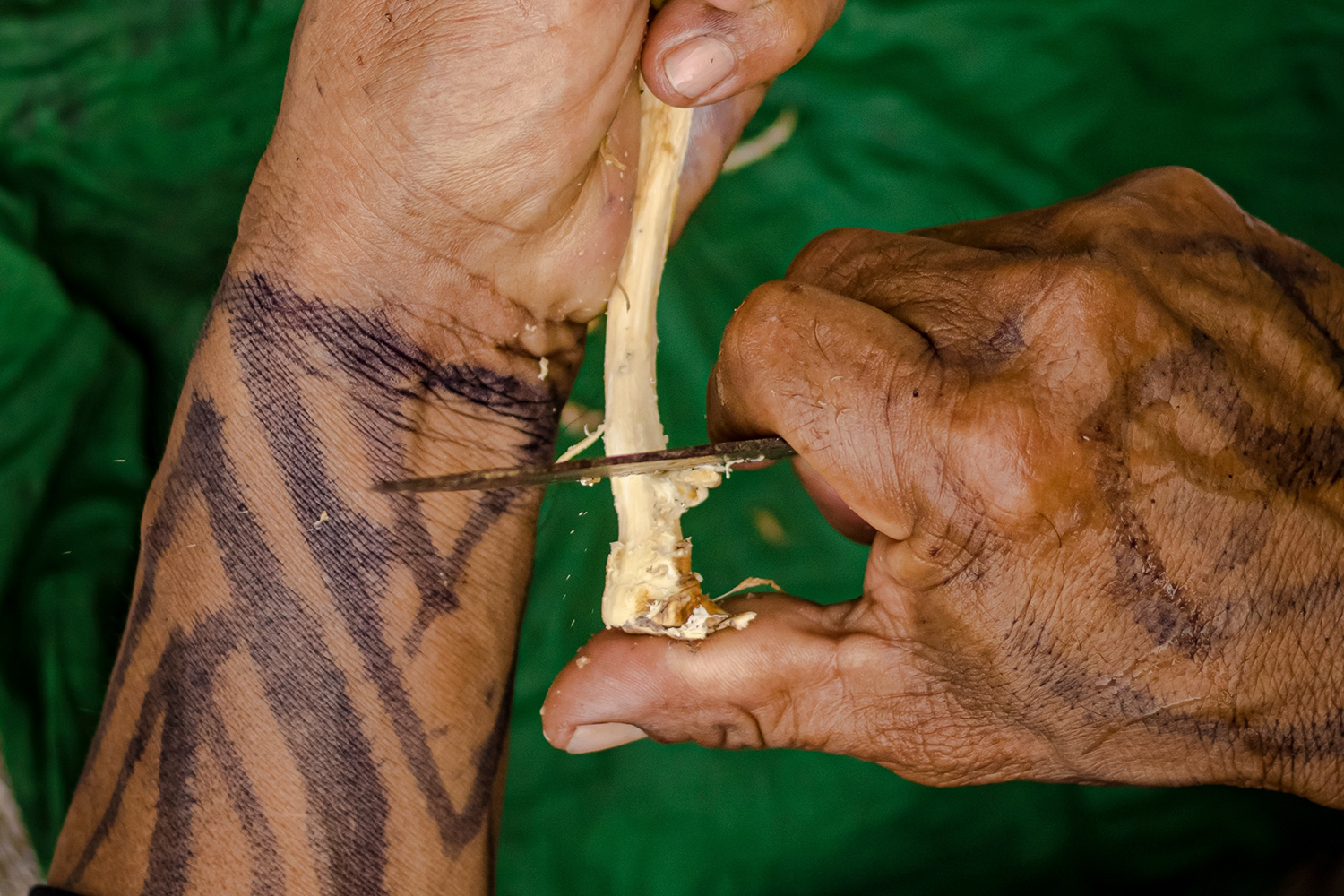
The botanical source of Sananga drops is closely linked to the Tabernaemontana undulata shrub, a member of the Apocynaceae family, commonly known as “milkwood” or “dogbane.” This specific plant is native to the depths of the Amazon rainforest, particularly in regions of Brazil and other South American countries. The roots and bark of Tabernaemontana undulata, known to the Kaxinawá tribe as “Mana Heins” and to the Matsés tribe as “Becchete,” are the primary materials used to produce Sananga drops. These tribes have long used the plant not only for its medicinal properties but also for its spiritual significance, highlighting the deep connection between indigenous knowledge and botanical resources. The production of Sananga involves a careful extraction process of the roots and bark, ensuring the preservation of its potent properties. Understanding the botanical origins of Sananga underscores the importance of preserving both the plant species and the cultural heritage of the Amazonian tribes, who have been the guardians of this knowledge for generations.
How is Sananga traditionally prepared by indigenous communities?
The traditional preparation of Sananga by indigenous communities is a meticulous process involving the extraction of sap from the roots and bark of the Tabernaemontana undulata plant [6]. This preparation method is deeply rooted in the cultural practices of the tribes in the Amazon region, with each step being crucial to ensuring the potency and efficacy of the final product. The process begins with the careful harvesting of the plant, followed by a series of extraction techniques that separate the valuable sap from the plant material. This sap is then processed into a liquid form, resulting in a potent brew often referred to as Sananga tea. Indigenous peoples also prepare the Uchu Sanango/Sananho root as a beverage, which is part of their traditional medicinal practices. The resulting liquid is known for its potent effects and is usually applied directly to the eyes, a method of application that remains unusual in Western practices. This traditional preparation not only underscores the intricate knowledge and skills of indigenous communities but also highlights the cultural significance of Sananga in their healing practices. Understanding this process is essential to recognizing the broader context in which Sananga is used and valued.
Which regions or tribes use Sananga drops?
The use of Sananga eye drops is widespread among various indigenous tribes in the Amazon region, indicating its cultural and spiritual importance. Among these tribes, the Shipibo stand out for their extensive use of Sananga, particularly in spiritual and ceremonial contexts. The Shipibo people use Sananga both as a standalone eye drop and as an addition to their Ayahuasca drink, which enhances their spiritual experiences. It is believed that these drops sharpen vision and focus, which is particularly beneficial for Shipibo artisans engaged in intricate crafts. Furthermore, the tradition of using Sananga is deeply rooted in Shipibo culture, with women being initiated into the practice by their mothers and grandmothers, ensuring the continuity of this ancient knowledge. This intergenerational transfer of knowledge underscores the importance of Sananga in preserving the cultural heritage and spiritual practices of the Shipibo tribe. The interconnected use of Sananga in both daily activities and spiritual ceremonies highlights its multifaceted role within these communities. It underscores the need for continued recognition and preservation of such indigenous customs, despite modernization and outside influences.


