

Last updated: March 25, 2026
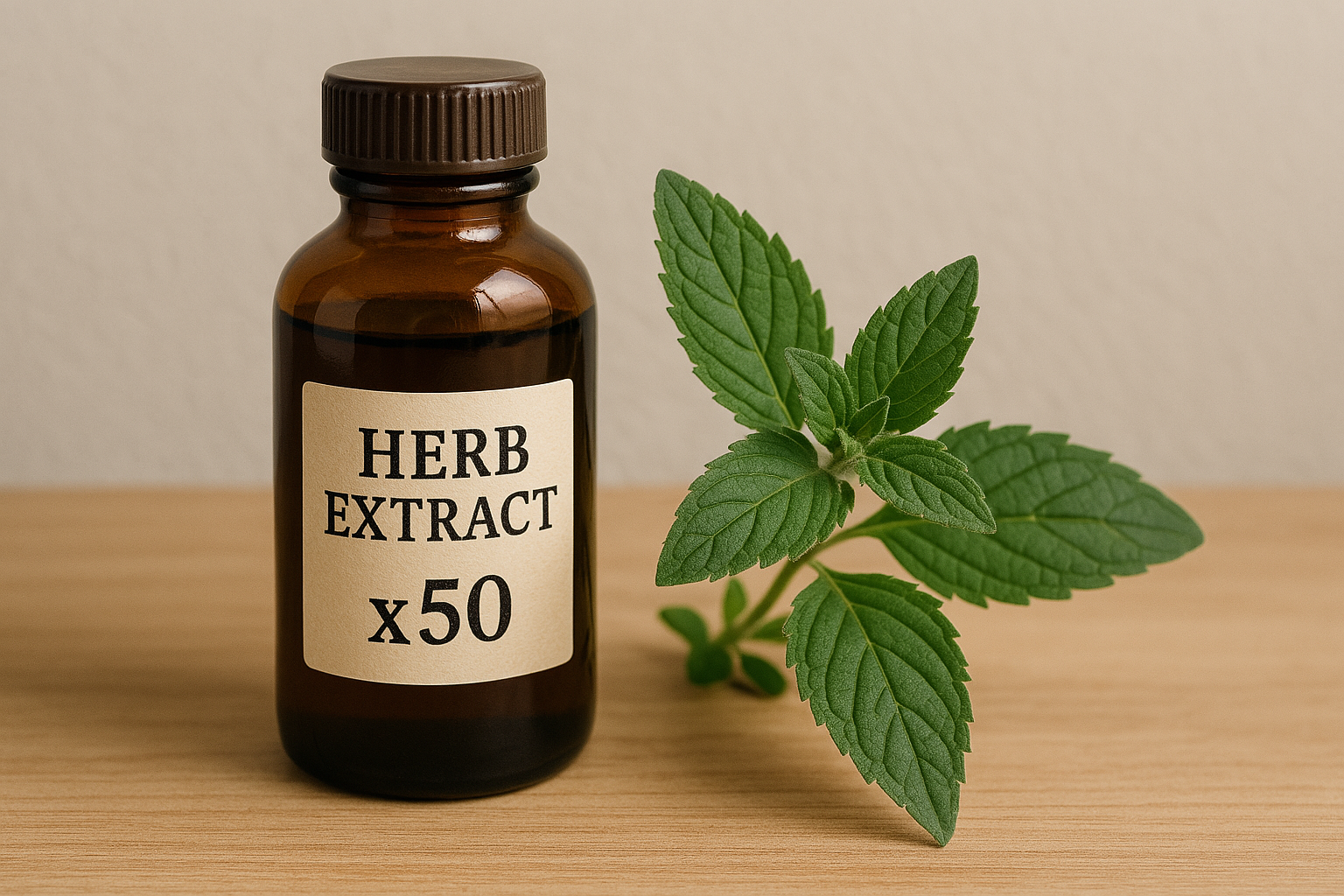
 When you browse through our collection of herbal extracts, you’ll see familiar names: Damiana, Blue Lotus, Kratom, Passionflower—but with an addition: 10x, 20x, 50x. What do those numbers mean? Is a 50x extract actually 50 times as strong as the regular herb? And how do you handle that in terms of dosage?
Extracts are concentrated forms of herbs, and you handle them differently than you would the original leaf or root. In this article, we explain what the “x-factor” means, why you might choose an extract, and how to use it responsibly. Note: Extracts are potent natural products. Always use them with caution and read the product information.
What is a herbal extract?
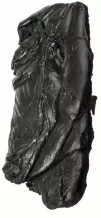
A herbal extract is the result of a process in which the active compounds of a plant (often alkaloids, terpenoids, or flavonoids) are isolated and concentrated. You extract the active compounds from a large amount of plant material and concentrate them into a much smaller, more potent form.
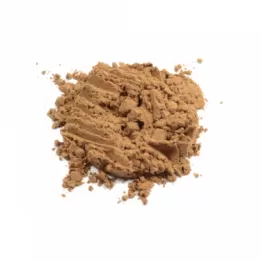
The extraction method varies by product. For tinctures, alcohol or water is used as a solvent. For resin extracts, a herbal infusion is simmered for a long time until it becomes a thick paste. For powder extracts, the plant material is processed and the remaining concentrate is dried. There are also more advanced methods usingCO2 as a solvent, which more selectively isolate specific compounds. The goal is always the same: the essence of the plant in a more concentrated form.
The x-factor: what do 10x, 20x, 50x mean?
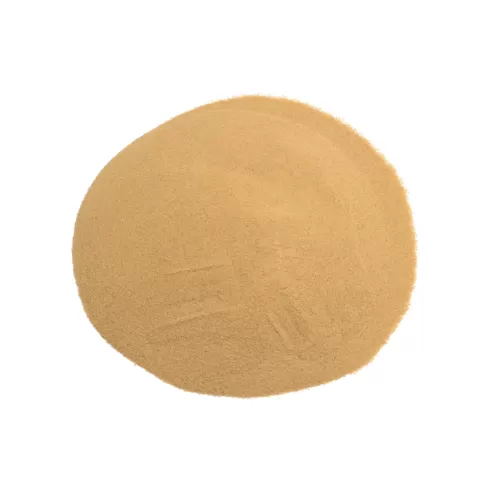 The "x" stands for "times." A 10x extract means that approximately 10 grams of dried herb were used to produce 1 gram of extract. In a 50x extract, 1 gram contains the concentrated active ingredients of 50 grams of plant material. Think of it like reducing a sauce: you start with a large amount and end up with less volume but more concentration.
Examples from our range:
- Damiana 10:1 extract (3 grams): each gram is made from approximately 10 grams of dried Damiana leaf.
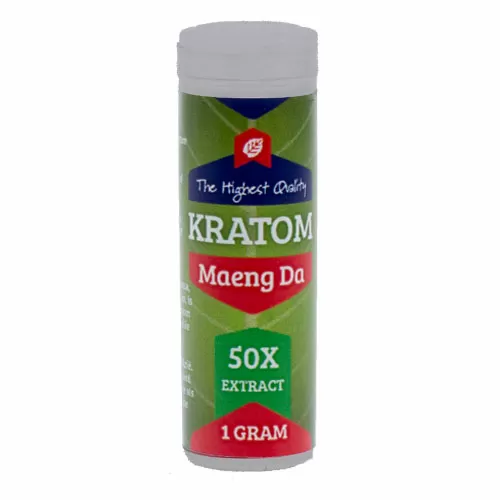
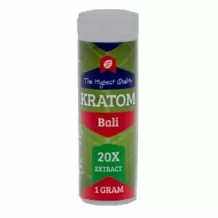
- Kratom Bali Red 20x extract (1 gram): represents the concentrated alkaloids of approximately 20 grams of kratom leaf.
- Passionflower 50x extract (3 grams): 1 gram contains the active compounds of approximately 50 grams of herb.
- Salvia Divinorum 10x extract (1 gram): contains the concentrated salvinorin A from approximately 10 grams of salvia leaf.
Important note: the x-factor indicates how much raw plant material was used, not how strong the effect will be. A 50x extract is not necessarily 50 times as intense as the unprocessed herb. The final potency depends on which specific alkaloids have been concentrated, the efficiency of the extraction process, and batch-to-batch variation. A 20x extract from one supplier may be stronger than a 50x from another if the extraction process was more effective at isolating the active compounds. Consider the x-factor as a guideline, not a guarantee.

Why choose an extract instead of the raw herb?
Three practical reasons:
Less volume. If you normally need 10 grams of herb to make tea, with a 10x extract you theoretically need only 1 gram. That’s easier to take, carry, and store.
Ease of dosing. Powdered extracts are easy to mix into drinks or fill into empty capsules. With a capsule filling machine, you can make your own capsules with an exact amount per capsule.
Different profile. During the extraction process, some compounds become more concentrated than others. This can result in the experience with an extract feeling different from that with the raw herb, even at a comparable “dose” of active ingredient. That is neither better nor worse, just different.
Many people actually prefer working with the original plant material, such as brewing tea from loose leaves or chewing fresh leaves. The choice is personal.
Dosage: start low, increase slowly
 This is the most important aspect when working with extracts. The dosage is significantly lower than with the original herb, and it’s easy to make a mistake.
Use the x-factor as a guideline, not as an exact calculation. If you normally take 5 grams of a herb for a mild effect, don’t start with 0.5 grams for a 10x extract—start with 0.1 or 0.2 grams instead. See how you react and adjust the dosage next time if necessary. Never increase the dose during the same session.
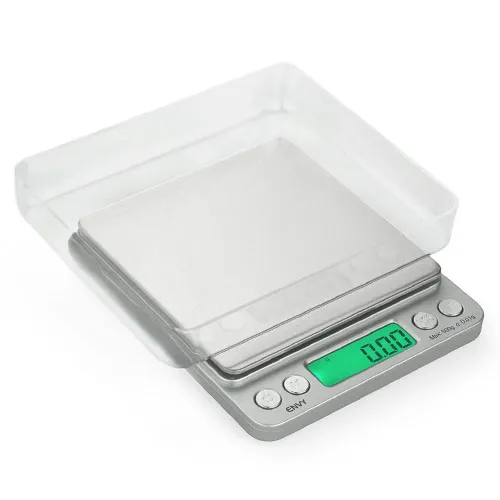
A precision scale is essential. A kitchen scale is not suitable for this. You need at least a scale that measures to 0.01-gram accuracy, such as the NV-500 Envy. For very potent extracts (salvia, certain alkaloid extracts), a milligram scale (0.001 grams) is even better, such as the SEN-250 Senso.
Always read the product description for recommended dosages, but remember: your personal sensitivity may vary. Every body reacts differently.
Forms of extracts
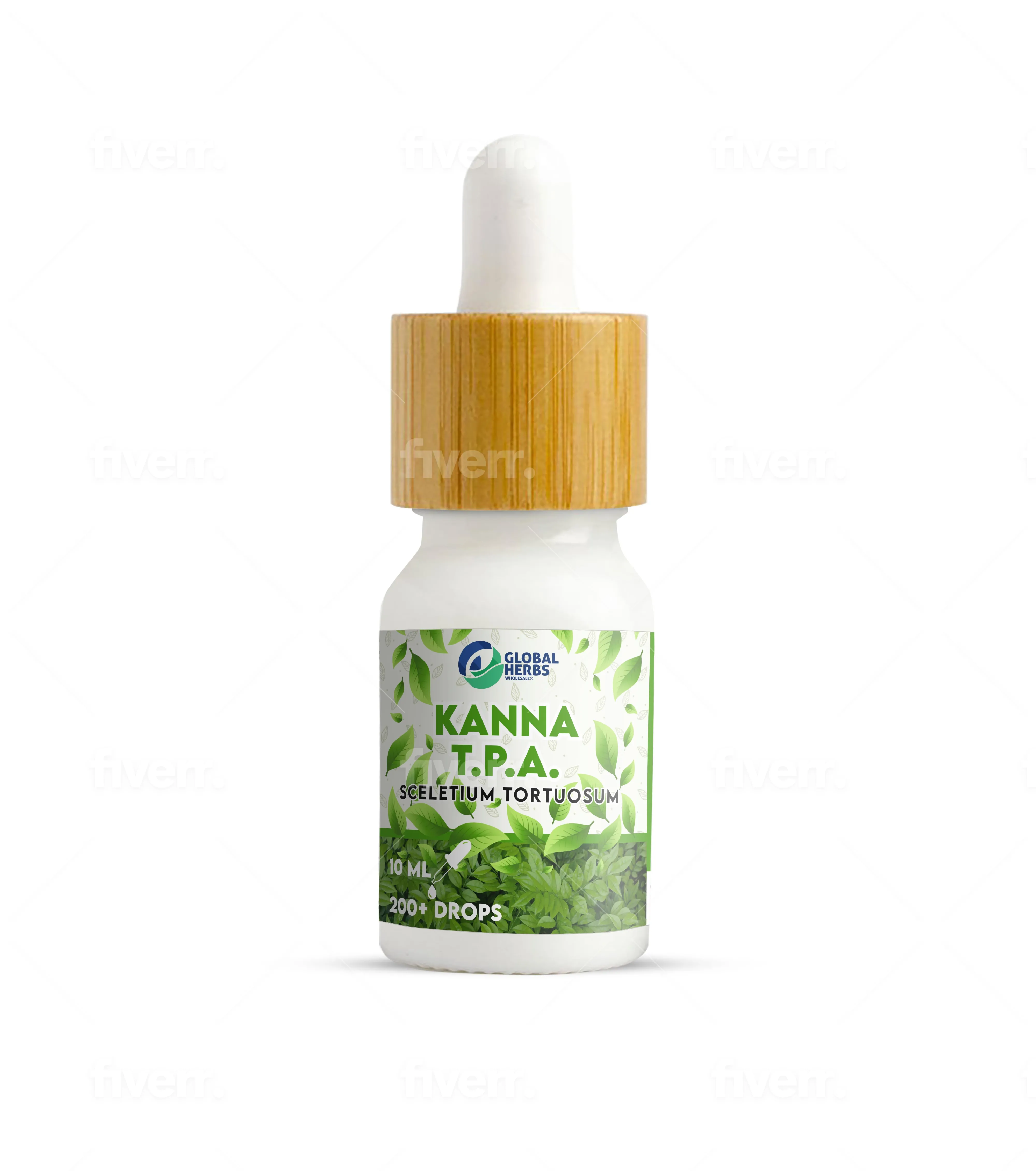 In addition to powder extracts with an X-factor, you’ll also encounter other forms:
Resin: A thick, tar-like paste created by long-term reduction of a herbal infusion. Examples include Blue Lotus resin and Kratom resin. Usually dissolved in hot water.
Tinctures and liquid extracts: Here, the active ingredients are dissolved in a liquid (usually alcohol-water). They come with a dropper for precise dosing. In the tinctures category, you’ll find Damiana 1:1 tincture, among others. For kratom, there are liquid extracts such as Jetpack Kratom.
Alkaloid extracts (TPA): Total Purified Alkaloids, liquid extracts specifically designed to isolate active alkaloids. Very potent. Found in the alkaloid extracts category. These require extra caution when dosing.
The same rule applies to all these forms: they are concentrated, so start low.
Safe use of extracts (18+)
- Dose accurately: Always use a precision scale or count drops carefully for tinctures. Never estimate by eye.
- Do not combine: Do not mix extracts with alcohol, medications, or other psychoactive substances. Interactions are difficult to predict and can be dangerous.
- Know the herb: Start by using the raw herb before switching to an extract. This way, you’ll know how you react to the active compounds before using a concentrated form.
- Contraindications: Do not use extracts during pregnancy, while breastfeeding, or if you have heart, liver, or kidney problems, mental health conditions, or are taking medication without consulting a doctor.
- Safety: Do not drive or operate machinery after use.
- Age restriction: For adults 18 years of age and older only.
The full range is available in the extracts category. More background information on specific herbs can be found at kennisbank.dutch-smart.nl.


