
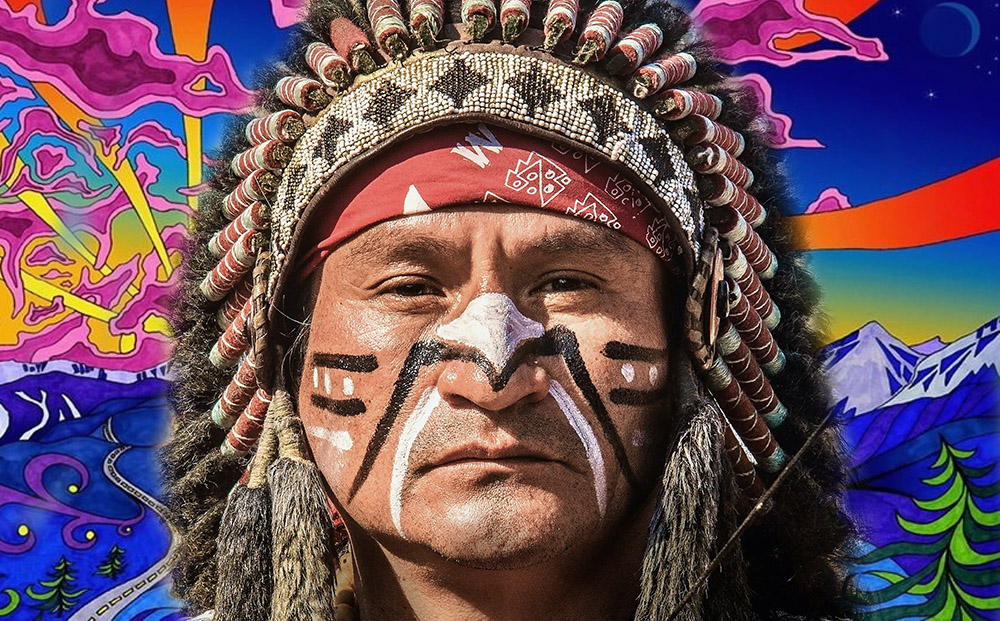
Psychedelics haven’t been this popular since the 1960s. But while most people in 2020 pop a dose of truffles or 2CB for a fun visual trip with a group of friends, most psychedelic substances have a long history of religious or shamanic use. Today we’ll talk about a number of special plants and herbs that have been used for centuries—sometimes thousands of years—in religious contexts because of their mind-expanding effects.
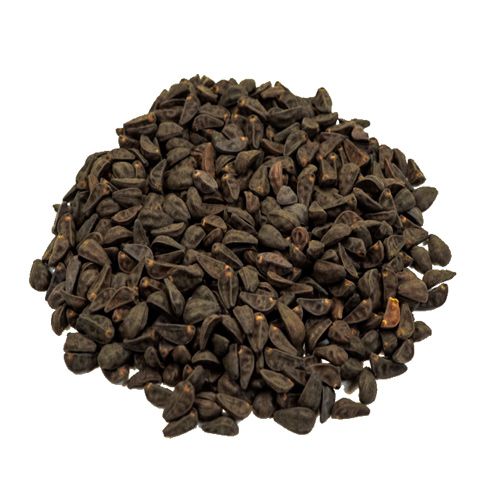
Morning Glory - Heavenly Blue
We sell several different varieties of Morning Glory in our online smartshop, but the Heavenly Blue is one of the strongest varieties. The seeds have been used as a hallucinogen by many Mexican Native American cultures for centuries; they were known to the Aztecs as 'tlitliltzin,' the Nahuatl word for 'black.' Their traditional use by Mexican Native Americans was first discovered in 1941 and came to light in a report documenting usage dating back to Aztec times. In 1960, it was reported that the seeds of Ipomoea tricolor were used as sacrament by certain Zapotecs, sometimes in combination with the seeds of Rivea corymbosa, another species with a similar chemical composition. Hallucinations are the primary effect following ingestion of morning glory seeds, including vivid visual imagery and heightened color perception.
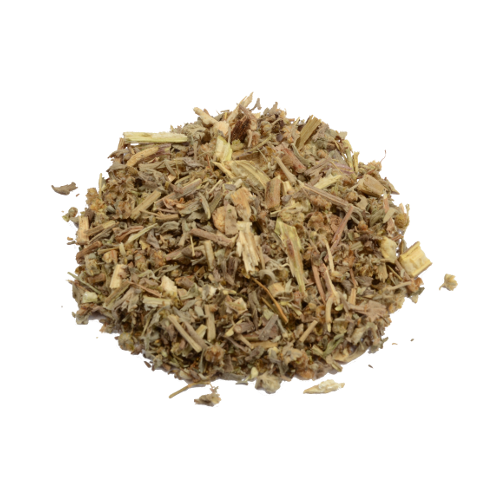
Artemisia absinthium
Native to temperate regions of Europe, Asia, and North Africa, the religious association with this plant began with its strong connection to the ancient Greek moon goddess Artemis. In Hellenistic culture, Artemis was a goddess of the hunt and protector of the forest and children. It is perhaps best known as the main ingredient in absinthe, the favorite drink of 19th-century Bohemian artists. The most common Absinthe experience is a “clear-headed” feeling of intoxication—a form of “lucid drunkenness.” A fun fact about this drink: both artists Vincent van Gogh and Pablo Picasso had a great love for absinthe. Until recently, the drink was even banned in the Netherlands, because its use could lead to hallucinations. Additionally, wormwood is toxic in large doses. Hallucinate in moderation, shall we say.
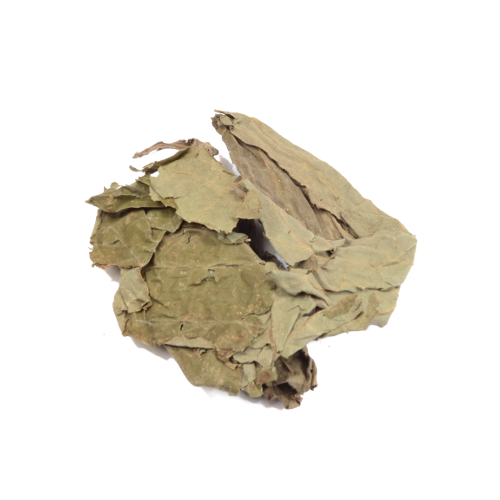
Salvia divinorum
Salvia divinorum is native to certain areas of the Sierra Mazateca in Oaxaca, Mexico, where it is still used by the Mazatec Indians. The herb is used there to facilitate shamanic visions for healing or divination. Shamans grind the leaves to extract leaf juices; they usually mix these juices with water to create an infusion or “tea” that they drink to induce visions during ritual healing ceremonies. Salvia can be consumed in various ways, including chewing, smoking, or incorporating it as a tincture into food, for example. The effects can be incredibly intense, ranging from uncontrollable laughter to feelings of leaving the body. And while some report a sense of improved mood and calmness, misuse can lead to severe bad trips. Read our salvia divinorum guide here.
Magic Mushrooms
Of course, we can’t leave magic mushrooms off this list. Psilocybin-containing mushrooms have been used for thousands of years by various cultures around the world. For example, 7,000-year-old paintings of people consuming magic mushrooms have been found in caves in northern Algeria. Central and South American cultures built temples to mushroom gods and also created so-called mushroom stones. The Aztecs were also quite fond of them: they used magic mushrooms served with honey or chocolate in some of their sacred ceremonies. We’ve written extensively about the effects of magic mushrooms, magic truffles, and psilocybin on Dutch-Smart, but you can find a wealth of information about magic mushrooms in our Magic Mushrooms Wiki!
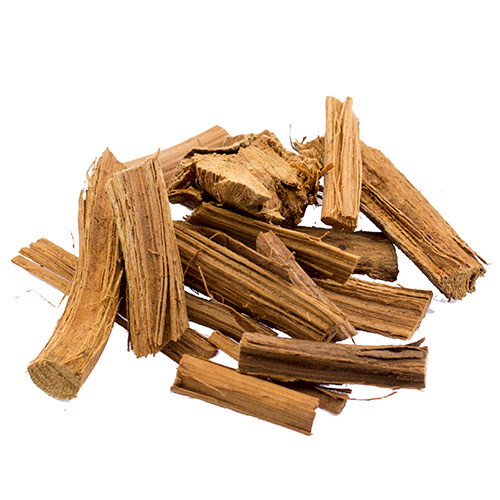
Ayahuasca
As one of the most powerful (or perhaps even the most powerful) psychedelics in the world, ayahuasca undoubtedly deserves a spot on this list. Ayahuasca is a drink from the Amazon made from the ayahuasca vine Banisteriopsis caapi and a DMT-containing plant such as Chacruna (Psychotria viridis). Loosely translated, the name also means “vine of the souls,” referring to its medicinal and spiritual uses. When these ingredients are combined and consumed in a ceremonial setting, they can produce mental, physical, and spiritual effects. The effects of the drink vary greatly, depending on the potency of the batch and the setting of the ritual. It is generally believed that an ayahuasca ceremony can be immensely powerful and life-changing.
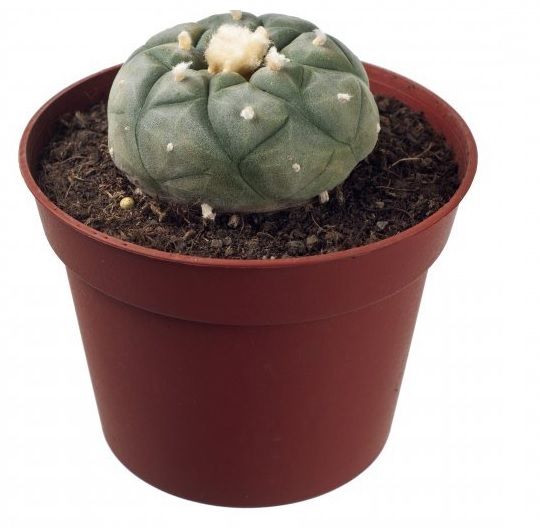
Peyote
In addition to psilocybin and DMT, mescaline is also an extremely potent hallucinogen with a religious history. Peyote is a cactus containing a very high dose of this unique substance and has been used by indigenous peoples for thousands of years. In fact, peyote is the oldest psychedelic we sell in our smartshop! Indigenous peoples who used peyote included the Huichol in northern Mexico and various Native American tribal groups, originating from or relocated to the Southern Plains states of Oklahoma and Texas. In the United States, the use of peyote is even permitted in some cases because it is considered necessary for religious purposes in certain communities. The visual effects of mescaline can sometimes last up to 10 hours. In the right setting, peyote can induce states of deep introspection and insight.
Cannabis
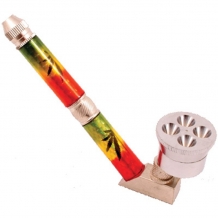
Of all the psychedelics on this page, cannabis is without a doubt the most widely used in the Netherlands. The cannabis plant has a centuries-old history of ritual use as a trance-inducing medicine and is found in cults around the world. In India, for example, it has been used for centuries by wandering sadhus (ascetics), and in modern times, it has been embraced by the Rastafari movement. Some historians and etymologists have claimed that cannabis was used as a religious sacrament by ancient Jews, early Christians, and Muslims of the Sufi order. You can read more about cannabis on the Dutch-Smart blog, such as how to cook with cannabis, or how about 10 reasons why cannabis is a must-try? Plenty to read, and our headshop is packed with cannabis accessories!


