


Are you stuck at home and want to give your lungs a much-needed break for a change? Then cannabis edibles are definitely the way to go! But before you toss a bunch of cannabis into your cake mix, there are a few things you need to think carefully about and keep in mind—like the fact that there are many more options for incorporating your favorite herb into your food. But since we know that sometimes nothing beats a delicious cannabis high, that’s exactly what we’re going to do: explain the ins and outs of Cooking with Cannabis!
If you’ve never cooked or baked with cannabis before, it might seem a bit intimidating. Luckily for you, cooking with cannabis is actually much easier than you might think. We’ve listed a few simple steps to help you incorporate cannabis into your cooking, so you can enjoy your own cannabis-infused meals in no time.
Read also: Prison guards appeal: “Please give inmates COVID-19 cannabis!”
There’s more than just space cake and brownies...
Okay, to start with, you obviously need a general idea of what you want to make. We’ve already given you a few reasons why now is the perfect time to bake a space cake, but what we really want to do today is teach you how to incorporate cannabis into so many more meals. After all, the world of good food is so much bigger than just cake and cookies, right?
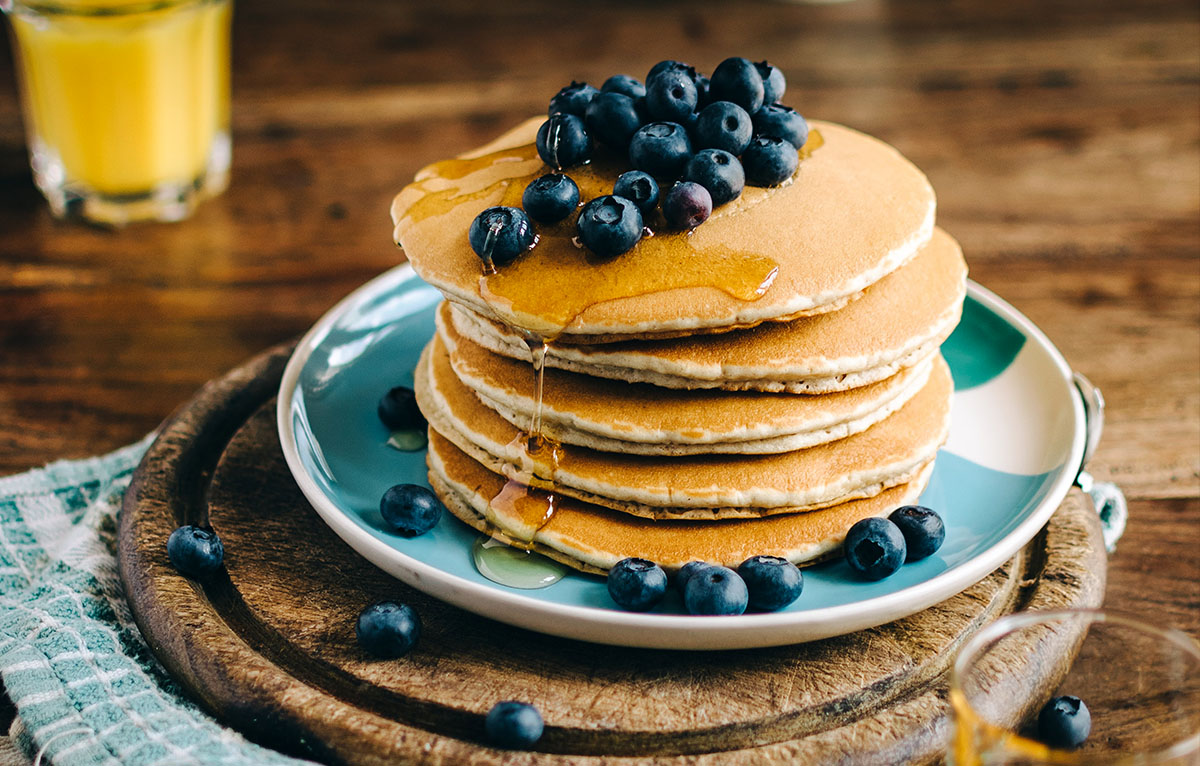
We recommend finding a selection of recipes that include olive oil, butter, or coconut oil. Cannabinoids are attracted to fats and oils, which allow the THC and other compounds to become active. And since there are so many recipes made with these ingredients, the options are endless. How about, for example, salads with a cannabis-infused dressing, sauces like pesto and chimichurri, tasty pancakes and waffles, or even a delicious smoothie?
Read also: 10 reasons why cannabis is actually pretty fun to use!
Choose the cannabis strain
With the recipe in front of you, you now know which flavors to look for when searching for the perfect cannabis strain to enhance your meal. You want to identify the most prominent flavor in the dish and match that characteristic with the terpene profile of the cannabis strain you’ll be pairing it with.
Some of the most common terpenes to pair include limonene (citrus), myrcene (mixed herbs, tropical nuts), caryophyllene (clove), pinene (pine nuts), nerolidol (jasmine, ginger), and linalool (lavender). Choose a strain with a desired terpene profile that pairs well with a wide variety of recipes. There are several good online resources that show the terpene profiles of different cannabis strains, so consult them to see which strain best suits your dish.
It’s also good to consider what you actually want from the cannabis in your meal. As you know, there are different types of marijuana with different effects. If you want to feel energetic and entertain guests, choose a Sativa. If you want to relax, unwind, or even fall asleep, go for an Indica. Of course, you can also try different strains to see which one offers the effects you’re looking for.
Read also: Scientists are close to eliminating bad trips...
Decarboxylation
The next step is decarboxylating your cannabis. Say what? Well, decarboxylation is the chemical reaction that releases the carboxylic acids from THC to activate it. For smokers or vapers, this happens the moment you smoke or vape, but if you want to make your cannabis edible, this is a must. Decarboxylation works like this: you expose the cannabis to about 115 degrees Celsius for roughly 45 minutes—in the oven, that is. Don’t forget to keep the temperature low to prevent the desired terpene properties from burning off. Sometimes people want to roast the buds at higher temperatures because they think it’s faster, but this actually ruins the terpenes. Halfway through, you can give the cannabis a quick stir and toss.
Read also: Cannabis microdosing: here’s what you need to watch out for
The cannabis infusion
The next step is making the cannabis infusion. We recommend using high-quality butter or olive oil, because the better the quality of this product, the better the infusion will turn out. If you choose butter, go for delicious, creamy, and soft butter to ensure your cannabis butter has the same qualities. If you’re using oil, Greek olive oil is generally preferred over Italian olive oil, as it blends better with cannabis than the latter. If you really only have Italian oil, don’t worry—you can still make a great infusion with it. Keep in mind that infusing cannabis takes at least 30 hours (cooking + cooling), so plan well in advance and make a large batch right away!
Read also: Fighting COVID-19: Skip that joint—bake a space cake!
Cannabis butter
If you choose to make cannabis butter, do so as follows: Melt the butter over low heat. Add water and turn up the heat until the mixture begins to simmer and all the butter has melted. Stir in the decarboxylated cannabis and mix it into the butter. Turn the heat down to the lowest setting. Simmer the mixture for 4–5 hours, stirring every 60 minutes. Make sure the temperature reaches 65–95 degrees Celsius. Add water if necessary. After cooling, pour the mixture through a strainer and collect the liquid in the large mixing bowl. Let the butter sit in the refrigerator overnight to allow excess water to separate. The next day, remove the water from the bottom of the bowl and transfer the remaining cannabis butter to an airtight container. It is now ready to use!
Read also: Could cannabis help with Alzheimer’s in the future?
Cannabis Oil
Heat approximately 1.5 liters of olive oil per 30 grams of cannabis over low heat until it reaches about 65 degrees Celsius. Stir in the cannabis until the buds are fully saturated with olive oil. Heat the mixture slowly over low heat for 4 hours. Do not overheat the mixture to the point where it starts to boil, as this will ruin the entire flavor profile and the terpenes present. So cook over low heat and take your time, and above all, never let the oil boil. Remove the mixture from the heat and let it cool, then pour the mixture through a strainer to collect the liquid. Store the oil in an airtight bottle or container, and it’s ready to use!
Read also: This man tried 157 types of drugs for a unique ‘drug bible’
Time to cook…
Now that you’ve chosen the recipe and made the infusion, it’s time to start cooking! How? It’s simple: treat the infusion as an ingredient just as you normally would, and of course, make sure you can measure the oil or butter accurately. You can generally assume that one teaspoon of cannabis oil or cannabis butter is equivalent to a dose of 5–10 milligrams. It’s up to you to determine the perfect dose for yourself.
That’s it—bon appétit, and enjoy your homemade cannabis infusion!


