


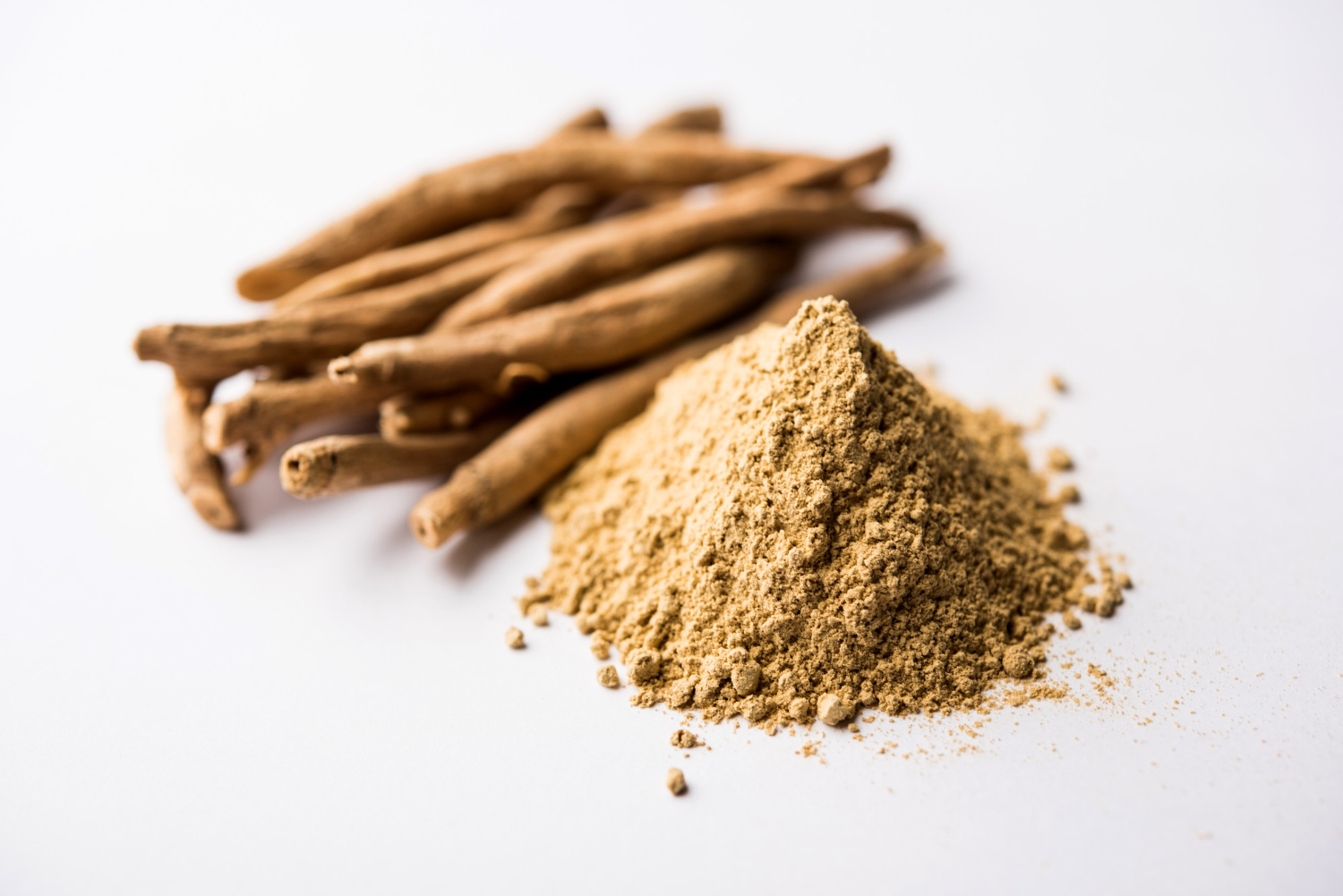
In this third part of our comprehensive guide to Ashwagandha, we’ll explore the different forms of Ashwagandha and how you can use them to get the most out of their benefits. From powders and capsules to tinctures and tea, there are countless ways to incorporate Ashwagandha into your daily routine. We’ll also discuss the pros and cons of each type of product so you can make the best choice for your specific needs and lifestyle. Additionally, we’ll cover some guidelines for proper dosing and recommended use of Ashwagandha.
Article Overview
- Ashwagandha Guide Part 1: Introduction to Ashwagandha
- Ashwagandha Guide Part 2: The Health Benefits of Ashwagandha
- Ashwagandha Guide Part 3: Different Forms of Ashwagandha and How to Use Them
- Ashwagandha Guide Part 4: Side Effects, Precautions, and Contraindications
- Ashwagandha Guide Part 5: Ashwagandha in the Kitchen: Delicious Ideas for Snacks and Dishes
- Ashwagandha Guide Part 6: Frequently Asked Questions About Ashwagandha
Ashwagandha Powder
Ashwagandha powder is made by drying and grinding the plant’s roots. This powder can be easily mixed with water, juice, smoothies, or other beverages and is often used in traditional Ayurvedic recipes. The advantage of using Ashwagandha powder is that it can be easily integrated into your daily diet and adjusted to your personal dosage preferences.
A downside of using powder is that the taste may be unpleasant for some people, as it can taste bitter and somewhat earthy. Additionally, measuring the correct dosage with powder can sometimes be tricky, as you may need a kitchen scale to weigh out the right amount. Ashwagandha powder can be purchased from an online health store such as Dutch-Smart. We offer Ashwagandha in many different forms, including powder.
Ashwagandha capsules and tablets
Ashwagandha capsules and tablets are a convenient and portable option for people looking for a standardized dosage. Capsules and tablets usually contain a pre-measured amount of Ashwagandha extract and are often made with other ingredients to improve absorption and effectiveness. The main advantage of capsules and tablets is their ease of use: you can easily take them with you and consume them without worrying about the taste or measuring the correct dosage.
A disadvantage of capsules and tablets is that they may be more expensive than other forms of Ashwagandha, due to the additional processing steps required to manufacture the product. Additionally, some capsules and tablets may contain fillers or binders, so it’s important to carefully check the ingredient list before choosing a product. Dutch-Smart Ashwagandha Capsules are a popular choice for people interested in trying this form in its highest quality.
Ashwagandha Tinctures and Extracts
Ashwagandha tinctures and extracts are concentrated liquid forms of the plant, made by extracting the active compounds from the root using alcohol or other solvents. Tinctures and extracts can be dripped directly under the tongue or mixed with water, juice, or other beverages.
The advantage of using tinctures and extracts is that they are usually absorbed more quickly by the body, which can lead to faster results. Additionally, tinctures and extracts can be more easily adjusted to your personal dosage preferences, as you can simply adjust the number of drops you take.
A disadvantage of tinctures and extracts is that they can sometimes have a strong, unpleasant taste due to the use of alcohol or other solvents in the extraction process. Also, measuring the correct dosage with drops can sometimes be tricky, and it may take a few tries to find the right amount for you. Ashwagandha Extract is an option for those interested in trying a tincture or extract.
Ashwagandha Tea and Beverages
Ashwagandha tea and beverages are a pleasant and relaxing way to enjoy the benefits of Ashwagandha. Tea can be made by mixing Ashwagandha powder or chopped root with hot water and then letting it steep. Some people also add other herbs, spices, or sweeteners to enhance the flavor.
The benefit of consuming Ashwagandha in the form of tea or beverages is that it can be a soothing and enjoyable experience, especially when combined with other flavorful ingredients. Additionally, drinking Ashwagandha tea can help promote a sense of relaxation and calm, which contributes to the plant’s stress-reducing effects.
A disadvantage of using teas and beverages is that the dosage may be less precise than with other forms, such as capsules or extracts. Furthermore, preparing Ashwagandha tea or beverages can be time-consuming compared to using ready-to-drink products.
Dosage and Recommended Use
The ideal dosage of Ashwagandha can vary depending on individual needs and the specific product you are using. In traditional Ayurvedic medicine, dosages can range from 500 mg to 3 grams per day, depending on the condition being treated and the form of Ashwagandha used.
It is important to start with a low dosage and gradually increase it until you achieve the desired effect. It is also advisable to consult with a healthcare provider or an Ayurveda expert before starting an Ashwagandha supplement, especially if you are pregnant, breastfeeding, taking medications, or have a medical condition. Keep in mind that the ideal dosage for you may depend on your age, weight, gender, and health condition.
When choosing an Ashwagandha product, it’s important to pay attention to quality. Look for products that are organically grown, pesticide-free, and tested for purity and potency. Be sure to carefully read the ingredient list and dosage instructions on the product label, as the strength and recommended dosage may vary by product.
If you’re interested in growing your own Ashwagandha, Ashwagandha seeds are also available. By growing your own plants, you can guarantee the quality and purity of your Ashwagandha source, and it offers you the opportunity to connect with this powerful Ayurvedic herb in a personal way.
In conclusion...
Finally, it’s important to remember that Ashwagandha, like any other supplement or herb, is not intended as a substitute for a healthy lifestyle and a balanced diet. Use Ashwagandha as a complement to a healthy lifestyle, and always consult a healthcare provider before starting to take supplements or making major changes to your health routine. Read on for Part 4 of this guide, where we’ll cover some side effects and precautions.


