


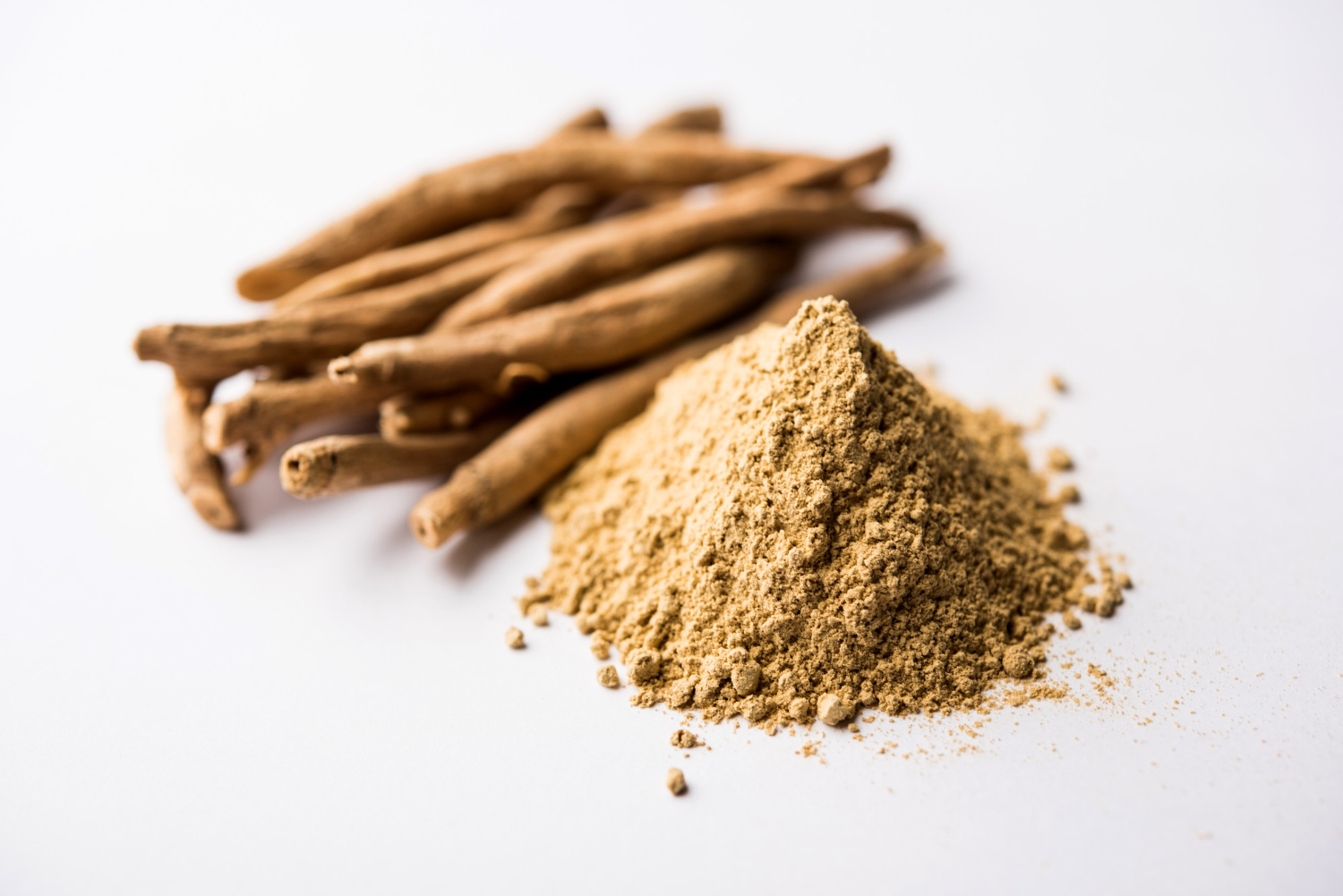
In the fourth part of our Ashwagandha guide, we’ll focus on the potential side effects, precautions, and contraindications of this powerful herb. Although Ashwagandha is generally considered safe, it is important to be aware of the potential risks and to consult with your healthcare provider before starting to use this herb. We will discuss some of the most common side effects, as well as situations in which Ashwagandha should be avoided, such as with certain medical conditions or during pregnancy. By educating yourself about the potential side effects and precautions, you can make an informed decision about using Ashwagandha and ensure that you benefit from this herb in a safe and responsible manner.
List of Articles
- Ashwagandha Guide Part 1: Introduction to Ashwagandha
- Ashwagandha Guide Part 2: The Health Benefits of Ashwagandha
- Ashwagandha Guide Part 3: Different Forms of Ashwagandha and How to Use Them
- Ashwagandha Guide Part 4: Side Effects, Precautions, and Contraindications
- Ashwagandha Guide Part 5: Ashwagandha in the Kitchen: Delicious Ideas for Snacks and Dishes
- Ashwagandha Guide Part 6: Frequently Asked Questions About Ashwagandha
Possible Side Effects of Ashwagandha
Although Ashwagandha is generally considered safe, there are some potential side effects to keep in mind when using this herb. Most people do not experience side effects when using Ashwagandha, but some individuals may be sensitive to the herb or experience an allergic reaction. Some of the most common side effects include stomach upset, diarrhea, nausea, and vomiting. These symptoms are usually mild and often go away on their own over time.
In addition, some people may experience mild drowsiness or dizziness, especially when using Ashwagandha for the first time or at a higher dosage. This may be due to the herb’s relaxing and calming effects. If you notice that you’re getting drowsy or dizzy after taking Ashwagandha, consider lowering the dose or taking the herb right before bedtime.
In rare cases, people may experience a rash, itching, breathing difficulties, or other signs of an allergic reaction after using Ashwagandha. If you notice any of these symptoms, stop using the herb immediately and consult a healthcare provider.
Precautions and Drug Interactions
Before you start using Ashwagandha, it’s important to consider any precautions and potential interactions with medications. If you’re currently taking medications, consult your healthcare provider to ensure that Ashwagandha is safe to use with your current medications.
Ashwagandha may interact with certain medications, such as sedatives, tranquilizers, thyroid medications, and blood pressure medications. The herb may enhance the effects of these medications, which could lead to low blood pressure, a slow heart rate, or an increased risk of drowsiness and dizziness.
Additionally, Ashwagandha can affect blood sugar levels and may interact with diabetes medications. If you have diabetes and are taking medication to regulate your blood sugar, it is important to monitor your blood sugar closely and consult with your healthcare provider before using Ashwagandha.
Contraindications: When to Avoid Ashwagandha
There are some situations in which you should avoid Ashwagandha. If you have an autoimmune disease, such as rheumatoid arthritis, lupus, multiple sclerosis, or Hashimoto’s disease, using Ashwagandha may further stimulate the immune system, which could cause unwanted effects. In such cases, it is important to consult your doctor before using Ashwagandha.
People suffering from stomach ulcers or other gastrointestinal disorders should exercise caution when using Ashwagandha, as the herb may cause or worsen stomach discomfort in some cases. If you suffer from stomach ulcers, inflammatory bowel disease, or other digestive issues, consult your healthcare provider before starting Ashwagandha.
Additionally, Ashwagandha is not recommended for people with liver or kidney conditions, as there is insufficient information regarding the herb’s safety in these situations. Always consult a healthcare provider if you have a serious medical condition or if you are unsure whether Ashwagandha is right for you.
Pregnancy and Breastfeeding
The use of Ashwagandha during pregnancy and breastfeeding is generally not recommended, as there is insufficient information regarding the safety of the herb for pregnant women and their unborn children. There is evidence that Ashwagandha may have a stimulating effect on the uterus, which could lead to premature contractions or miscarriage.
If you are pregnant or breastfeeding, it is important to consult with your healthcare provider before starting to use Ashwagandha or any other herbal or dietary supplement. Your healthcare provider can help you make an informed decision about using Ashwagandha and any alternatives that may be safer during these important stages of life.
In conclusion...
In this section, we have discussed the potential side effects, precautions, and contraindications of Ashwagandha. Although Ashwagandha is generally considered safe for most people, it is important to be aware of potential risks and to consult with your healthcare provider before starting to use this herb. Keep in mind that individual responses to Ashwagandha can vary, and it is important to pay attention to your body and any changes in your health while using the herb.


