


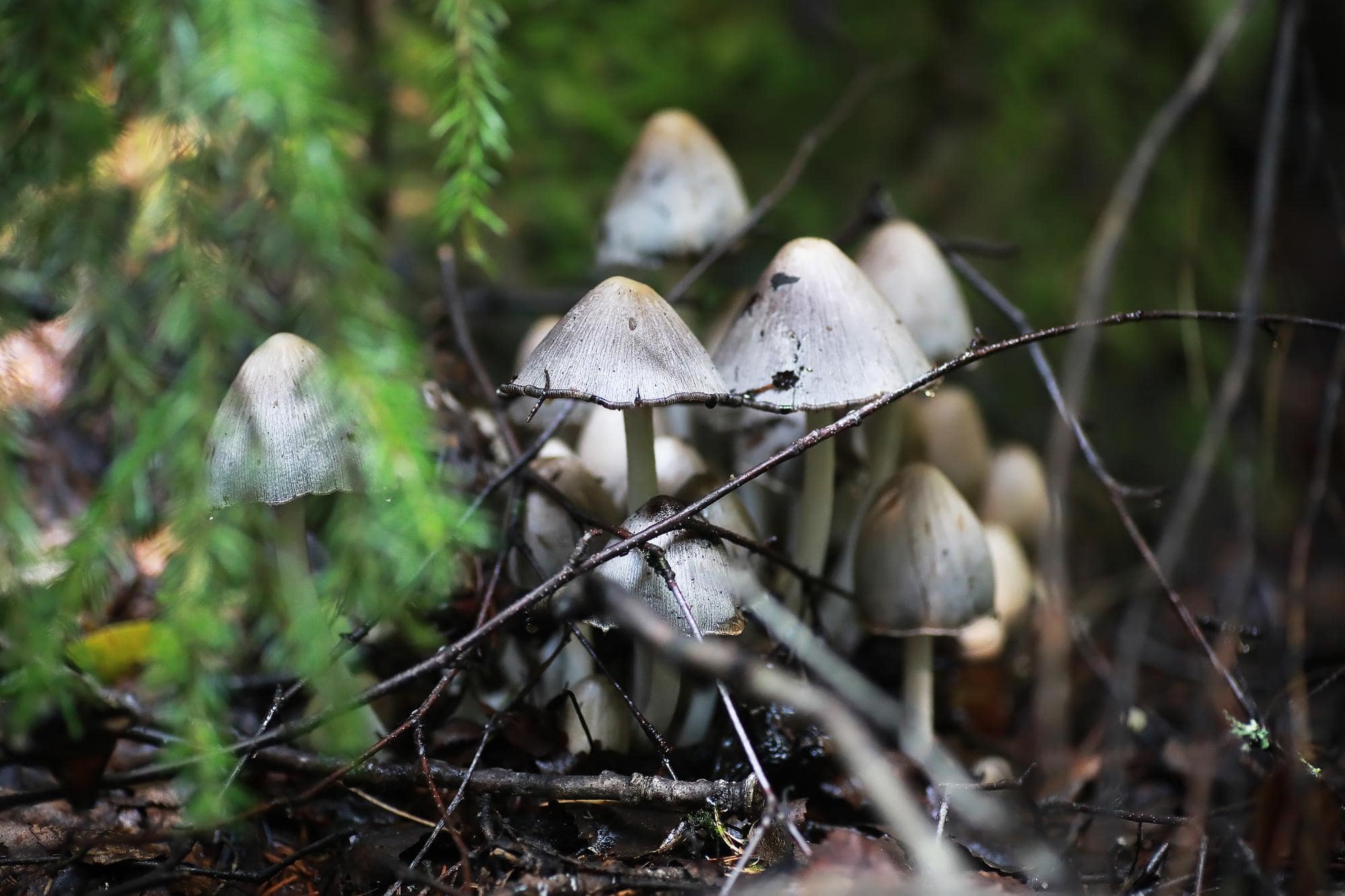
Magic mushrooms have been used in religious ceremonies for centuries, but in recent years, scientists have extensively studied their potential medicinal benefits—and this research is still very much ongoing. One of the most promising potential uses for magic mushrooms is as a treatment for depression. In this blog post, we’ll discuss the latest research on magic mushrooms and depression, and answer some frequently asked questions on this topic.
What are magic mushrooms and what are their effects on the brain?
Magic mushrooms, also known as shrooms, are a type of fungus that contains the psychoactive compound psilocybin. When ingested, psilocybin is broken down into psilocin, which then binds to serotonin receptors in the brain. This triggers a range of effects, including changes in perception, mood, and cognition. Although the exact mechanisms are not fully understood, it is believed that magic mushrooms can alter brain activity by enhancing the normal flow of information between different regions.
This can lead to hallucinations, synesthesia (the sensation of hearing colors or seeing sounds), and feelings of depersonalization and derealization. In addition to these perceptual changes, magic mushrooms have also been shown to bring about lasting changes in personality and outlook. For example, some users report increased creativity and openness after taking magic mushrooms. So while they may not be truly magical, magic mushrooms can certainly have a dramatic effect on the brain. And that gives these fungi some unique potential applications...
Psychedelics as a treatment for depression
The multifaceted effects of magic mushrooms and other psychedelic substances on the human brain have led researchers and scientists to consider that these unique fungi could also be used to treat a range of mental health issues. This is also the case at the University Center for Psychiatry at the University Medical Center Groningen. For several years now, extensive research has been conducted there on the effects of psychedelics on the human brain, particularly in individuals with mental health issues.
Robert Schoevers, professor and head of the psychiatry department at the UMCG and a specialist in researching “treatment-resistant” depression, is one of those researchers. “About ten years ago, a few small, isolated studies were published that described a beneficial effect of ketamine on treatment-resistant depression.” The professor has been searching for years for new ways to help patients with chronic severe depression. Because, he says: “I am deeply moved by their suffering. In terms of disease burden, it’s the same as cancer. You no longer see the sun shining, you don’t want anything to do with anyone, and you’re only negative about yourself. You can no longer function—not as a father, a partner, or an employee. People often think they’d be better off dead.”
The studies conducted in his name are promising: in roughly forty percent of cases, he saw “something” happen. For some, it meant a lasting solution: “People got their lives back.” For others, there was only a slight improvement. Many more people noticed absolutely nothing. And the researchers had no way of predicting who the treatment would or wouldn’t work for.‘Above all, it meant that a larger study had to follow,’ says Schoevers. That larger, placebo-controlled study, in which the University of Groningen (RUG) and the University Medical Center Groningen (UMCG) are collaborating with institutions in Nijmegen and The Hague, has now been underway for several years.
For this specific psilocybin study, over two hundred patients are administered psilocybin —the active ingredient in both magic mushrooms and magic truffles—under strictly controlled conditions and in the presence of two trained supervisors. Currently, less is known about this substance than about ketamine when it comes to treating depression, but the growing number of studies on the substance is expected to change that soon.
Magic mushrooms and the brain
People who have ever experienced a magic mushroom trip know how extraordinary this can be. Areas of the brain that do not communicate with each other, or barely do so, can suddenly do so thanks to magic mushrooms, which leads to a potential boost in psychotherapy treatments. In other words, magic mushrooms can make an otherwise difficult treatment proceed much more smoothly. “It’s not just the boundary between yourself and the rest of the world that blurs,” says Schoevers. “That can also apply to the boundary between you and what you’ve experienced in the past— things you’ve repressed or that were traumatic.”
What’s unique about both ketamine and psilocybin is that they work differently from the antidepressants known to date. These often focus on the amount of serotonin, norepinephrine, or dopamine that transmits signals between brain cells—neurotransmitters that can produce a “feeling of happiness.” If your brain doesn’t produce enough of these substances, then “you’re depressed.” Psilocybin does affect serotonin and dopamine, but in a different way than conventional antidepressants. Conventional antidepressants block the reuptake of serotonin, leading to an increase in the amount of serotonin available for transmission. Psilocybin, on the other hand, likely acts on receptors that are normally activated by serotonin. This means that instead of simply increasing the available amount of serotonin, psilocybin actually changes how the brain responds to it. As a result, psilocybin may potentially produce some very powerful antidepressant effects.
The risks of taking magic mushrooms for depression
Depression is a debilitating mental illness that can cause a person to lose interest in activities, feel worthless, and suffer from fatigue and insomnia. And while there are many treatment options available, including therapy and medication, some people with depression find that these methods do not work for them. For these individuals, magic mushrooms may one day be an effective treatment.
However, it is important to note that the positive effects of psilocybin observed in these studies occur when it is taken under the supervision of a medical specialist. Experimenting with magic mushrooms for depression symptoms without medical supervision can be dangerous, and it is not recommended to experiment with psychedelics for these purposes on your own. If you have symptoms of depression, it is important to consult a doctor to discuss your treatment options.
So, getting started at home with a magic mushroom grow kit is a great idea if you’re doing it for recreational purposes, but for urgent matters like this, consulting a specialist is never a luxury.


