


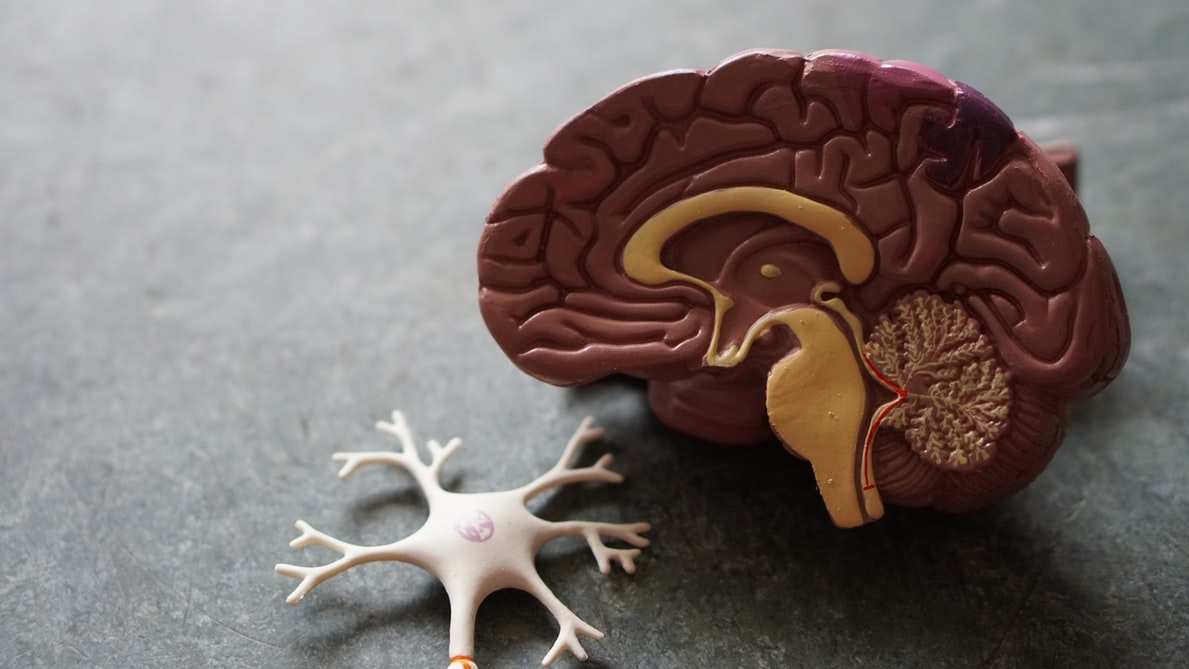
When we look at the deadliest diseases out there, there are very few that cannot be cured, prevented, or slowed down. Alzheimer’s is one of them. To date, there is still no cure or even effective treatment for it, which is precisely why scientists are searching every day for potential cures. Now, a study suggests that tetrahydrocannabinol (THC), the active ingredient in cannabis, could reduce inflammation associated with Alzheimer’s disease. But there’s more...
Read also: Need motivation? These must-try products will give you a boost!
New hope?
To date, it remains unclear to scientists exactly what causes Alzheimer’s disease. Most believe that a combination of factors plays a role in the development of this neurodegenerative disease, such as environment, lifestyle, and genetics. But regardless of the cause, there is a bigger problem at hand, according to experts in the United States.
And what is that problem? It is that there is still absolutely no cure for it, and the disease is expected to become increasingly common in the coming decades. Finding a cure or treatment is therefore of the utmost importance. And THC may be able to help with that, some researchers suggest. In fact, according to some, it is the most promising substance found to date for this purpose.
Read also: Great idea: a cannabis buffet at your wedding!
Cannabinoids to the rescue
To understand how this works, it’s important to know what cannabinoids actually are. Cannabinoid receptors are a class of cell membrane receptors that are part of the endocannabinoid system. Endocannabinoids occur naturally and regulate various bodily functions. However, they are particularly abundant in the brain.
When consumed, cannabinoids in cannabis interact with these receptors and influence processes related to appetite, pain, mood, memory, and learning ability. THC, the best-known cannabinoid, enters the bloodstream via the lungs, where it binds to two types of receptors associated with, for example, memory and pleasure.
Read also: 7 must-have items to enjoy your cannabis
Various studies
So, cannabinoids are quite interesting, but according to some researchers, there is a link between the so-called neuroprotective nature of cannabinoids and neurodegenerative diseases such as Alzheimer’s disease. In 2006, for example, a team from the Scripps Research Institute discovered that THC prevents the accumulation of certain proteins by blocking the enzyme that produces them.
The study by the Salk Institute for Biological Studies in California was perhaps the first “to demonstrate that cannabinoids influence both inflammation and amyloid beta accumulation in nerve cells,” said team researcher David Schubert. Another 2014 study concluded that the data “strongly suggest that THC could be a potential treatment option for Alzheimer’s disease through multiple functions and pathways.”
Last December, Salk researchers published an article on candidate drugs for research, including J147, a compound with properties similar to THC. In mice, these drugs improve memory and slow the degeneration of brain cells. But there was more: it also counteracted degeneration in healthy brains. Thus, the compound—which acts like THC—proved to be not only potentially effective in treating Alzheimer’s, but also in slowing aging in other areas.
Read also: Study: Eat a truffle, save nature!
No hard evidence yet
But although progress is visible, there is currently no actual evidence for the use of THC in Alzheimer’s. “There is currently no evidence that cannabis is useful for the treatment or prevention of Alzheimer’s disease,” says the Canadian Alzheimer’s Society. Currently, there is no cure for Alzheimer’s disease, nor is there a way to stop or slow its progression. However, some researchers believe that if we could treat inflammation in the brain and help the body remove toxic clumps, we might be well on our way to finding a treatment. And that is where THC offers a potential solution.


