


Are you ready to take your consciousness to the next level? Maybe you’re looking for that one trip that will completely change your perspective. Well, then this blog is for you. This week, we’re diving into the world of mescaline cacti, the favorite plaything of many psychonauts and adventurers. Think you’ve tried it all? Think again. And don’t forget, at Dutch-Smart.nl we don’t just have these wonder plants, but also a wide range of other psychedelics like grow kits and magic truffles. Yes, we have it all. Ready to read on?
What exactly are mescaline cacti?
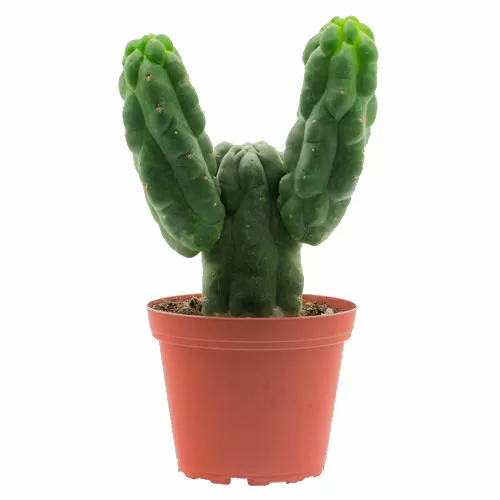
First things first: mescaline cacti aren’t just any old green, prickly plants you might have on your windowsill. No, according to many, they offer a genuine gateway to another dimension. Mescaline is a psychedelic substance found in cacti such as Peyote (Lophophora williamsii), San Pedro (Echinopsis pachanoi), and the Peruvian Torch (Echinopsis peruviana). These cacti contain a natural alkaloid responsible for an intense hallucinogenic trip unlike any other. Yes, you read that right. Think of it as a psychedelic rollercoaster without safety bars.
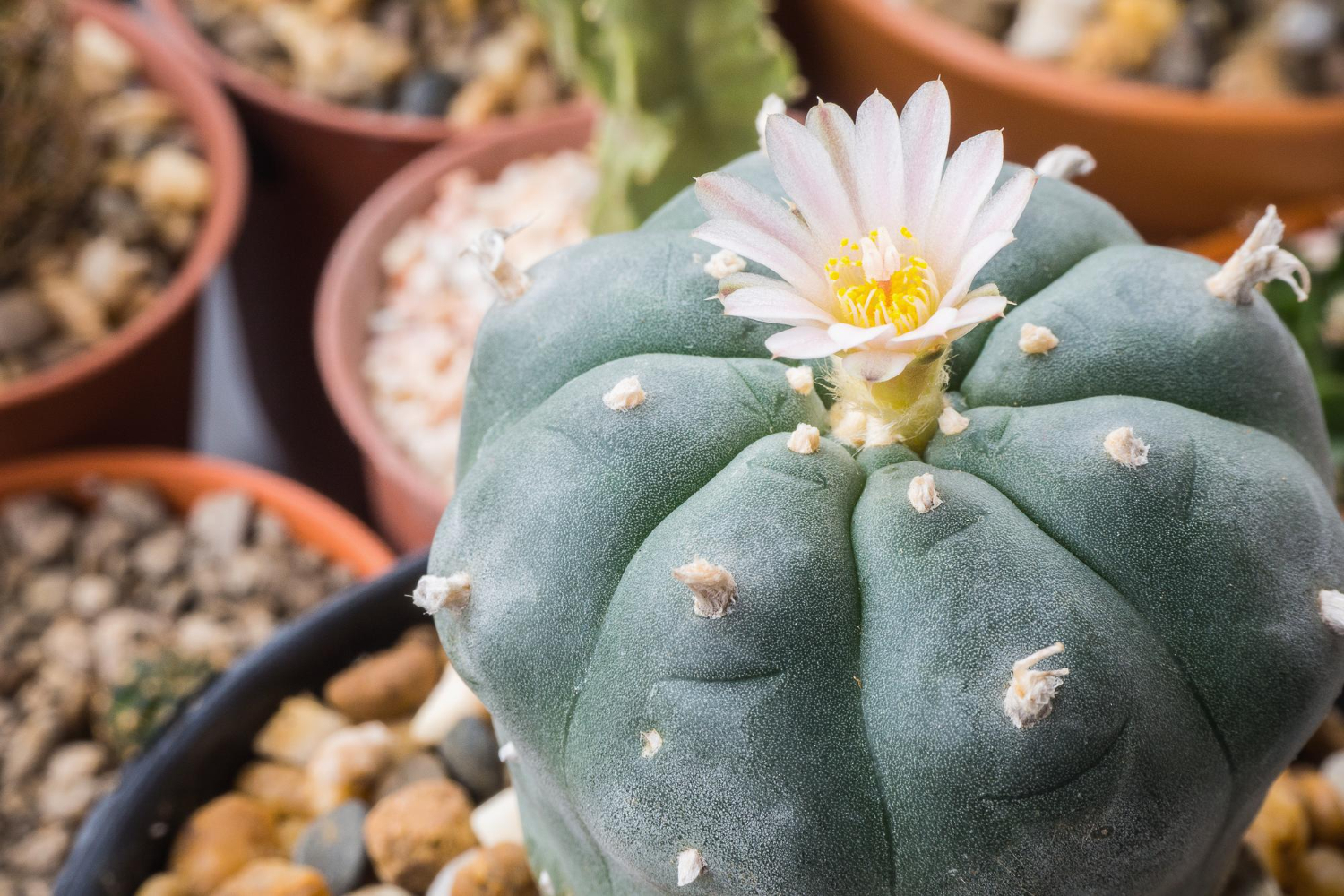
Peyote is probably the most legendary of the mescaline cacti. This small, spherical cactus grows in the deserts of Mexico and the southwestern United States. For thousands of years, it has been the star of religious and healing ceremonies among indigenous peoples. The San Pedro, on the other hand, is a giant column that adorns the Andes of Peru and Ecuador. Easy to grow and often used in shamanic rituals. And let’s not forget the Peruvian Torch—a cousin of the San Pedro, but just a tad different. All equally intriguing and enchanting.
Peyote: the sacred cactus
Let’s start with Peyote (Lophophora williamsii). Peyote is probably the most iconic of all mescaline cacti. This small, spherical cactus grows mainly in the deserts of Mexico and the southwestern United States. What makes Peyote so special is not only its strong hallucinogenic effects but also its rich cultural and spiritual history. Indigenous peoples have been using Peyote for thousands of years in religious and healing ceremonies.
Peyote contains a relatively high concentration of mescaline, which contributes to the intense experience users report. Expect vivid visual hallucinations, deep emotional insights, and a spiritual journey you won’t soon forget. But be warned: the taste of peyote is notorious. It’s bitter—and I mean really bitter. So if you decide to consume peyote, prepare yourself for an unpleasant taste sensation. But hey, it’s all part of the experience, right?
San Pedro: the Andean Colossus
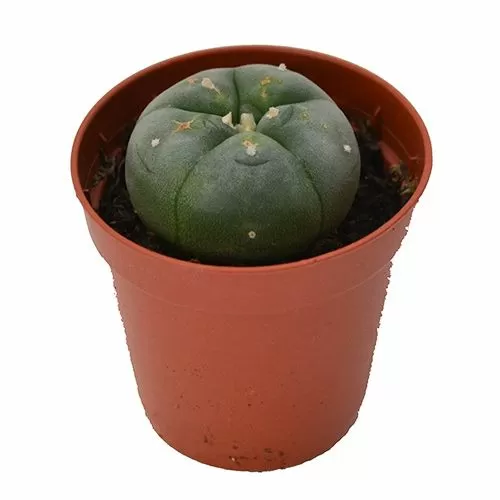
Then there’s San Pedro (Echinopsis pachanoi), a columnar cactus found primarily in the Andes of Peru and Ecuador. San Pedro is one of the easiest mescaline cacti to grow, making it popular with both shamans and modern psychonauts. The cactus can grow quite large, up to six meters tall, making it an impressive sight.
San Pedro also contains mescaline, albeit in slightly lower concentrations than peyote. This does not mean the experience is any less intense. On the contrary, many users find the San Pedro trip gentler and more guided, making it an excellent choice for beginners. The effects of San Pedro are similar to those of peyote: visual hallucinations, a sense of connection with nature, and deep spiritual insights. An added bonus is that the taste of San Pedro is slightly less awful than that of peyote. Not pleasant, but more tolerable.
Peruvian Torch: the fiery cousin
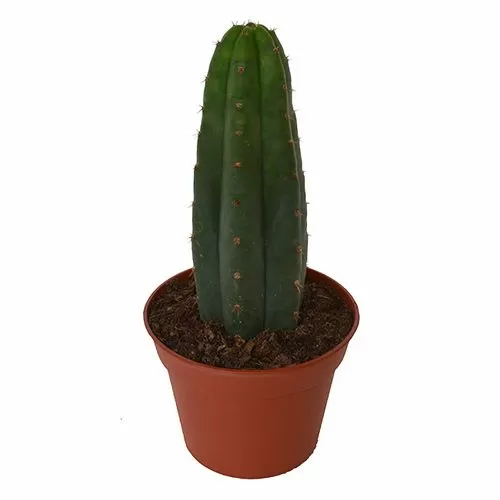
Finally, we have the Peruvian Torch (Echinopsis peruviana). As the name suggests, this cactus comes from Peru. The Peruvian Torch closely resembles the San Pedro, both in appearance and effect. Both cacti are closely related and contain comparable amounts of mescaline. The Peruvian Torch is often seen as the fiery cousin of the San Pedro, offering a slightly faster and more intense trip.
The effects of the Peruvian Torch are powerful and can vary depending on the specific cactus and how it is consumed. Users often report intense visual hallucinations, deep emotional and spiritual experiences, and a strong physical energy. The Peruvian Torch can be a great choice for experienced psychonauts looking for a new challenge. But be warned, this cactus is not for the faint of heart. The taste, as with most mescaline cacti, is bitter and unpleasant. But if you’re willing to brave this discomfort, an unforgettable journey awaits you.
The chemistry behind mescaline
What makes mescaline so special? The answer lies in its chemical structure. Mescaline is a phenethylamine, similar to the neurotransmitters dopamine and norepinephrine. Think of it as the chemical cousin of those feel-good chemicals in your brain. When you take mescaline, it binds to serotonin receptors in the brain. This leads to increased serotonin activity, causing you to experience those intense visual hallucinations and altered state of consciousness. Remember those psychedelic scenes from "Fear and Loathing in Las Vegas"? Something like that, but in real life.
The effects of mescaline usually start within 45 minutes to two hours after ingestion and can last six to twelve hours. Yes, you’ll be out of it for a while. Users often report vivid visual hallucinations, intense emotional experiences, and a distorted perception of time. Some people have deep spiritual insights and feel at one with nature. Others struggle with anxiety and paranoia, especially if they make the mistake of thinking that more is always better. Spoiler alert: it’s not.
Effects of mescaline
- Visual hallucinations: Think of vivid colors, patterns, and even complex scenes playing out before your eyes.
- Emotional intensity: Mescaline can evoke strong feelings of joy, wonder, and sometimes even fear.
- Altered perception of time: Minutes can feel like hours, or vice versa.
- Spiritual insights: Many users report profound spiritual experiences and a sense of connection with nature and the universe.
How do you use mescaline cacti?
Okay, you’re ready for the trip of a lifetime. But how are you going to do it? Mescaline cacti can be consumed in various ways, but the most common methods are eating the raw cactus, making a tea, or extracting the mescaline. Each of these methods has its own charm and challenges.
Eating the raw cactus is perhaps the simplest method, but also the most off-putting. Yes, it’s bitter and tough, and no, it doesn’t taste any better the more you eat. The taste is reminiscent of a mix of old socks and bitter herbs. If you decide to make a tea, cut the cactus into pieces, remove the spines and the waxy outer layer, and boil the pieces in water. The resulting brew is still bitter, but hey, anything for the experience, right? Then there’s the option of extracting mescaline, which is a more complex process that requires some chemistry knowledge. But if you do it right, you’ll get a pure product that’s easier to dose. In any case, make sure you don’t have to pull out your “Chemistry for Dummies” handbook.
Safety first!
Before you begin your psychedelic journey, let’s talk about safety. Mescaline can be an intense and sometimes overwhelming experience. So, if you think you can handle it just because you once survived a weekend in Amsterdam, think again. Make sure you’re in a safe and comfortable environment. Your mental state needs to be positive, otherwise your trip can quickly turn into a horror movie.
A trip sitter—a sober friend who can support you if needed—is, for example, no luxury. It can be especially helpful for beginners or people trying a higher dose. Start with a low dose and build up slowly. Overdosing can lead to anxiety, paranoia, and even psychosis, especially if you already have some mental health issues, and you don’t want that.
The oldest psychedelic out there?
But where do these cacti actually come from? Well, mescaline has a long and rich history dating back thousands of years. Indigenous cultures in North and South America have used these cacti for spiritual and healing purposes. The peyote cactus plays a central role in the religious practices of the Native American Church, while the San Pedro cactus is used in traditional ceremonies in the Andes. Yes, these cacti have been around longer than you think.
Archaeological findings show that mescaline cacti were used in rituals over 5,000 years ago. These ancient cultures believed the cacti helped them communicate with the spirit world and brought healing for various ailments. And here you are with your acetaminophen. In the late 19th and early 20th centuries, Western scientists began studying the effects of mescaline, which led to wider awareness of this psychedelic. In the 1960s and 1970s, mescaline became popular in Western counterculture, thanks in part to books like Aldous Huxley’s “The Doors of Perception,” which describes his experiences with mescaline. We’re talking about the era of Woodstock, free love, and psychedelic rock. Back then, mescaline was the star of the show.
Where can you buy these mescaline cacti?
So, are you ready to try these magical cacti for yourself? At Dutch-Smart.nl, we offer a wide range of mescaline cacti, as well as other psychedelics like grow kits and magic truffles. Our products are carefully selected and of high quality, so you can have the best possible experience. No half-measures here.
Whether you’re a seasoned psychonaut or a curious beginner, you’ll find everything you need to start your psychedelic journey here. We also offer comprehensive information and support to help you every step of the way. So what are you waiting for? Dive into the fascinating world of mescaline cacti and discover what these wondrous plants have to offer. It’s time to unleash your inner Huxley or Leary.
Ready for the trip of a lifetime?
If you’ve made it this far, it seems clear to me: mescaline cacti offer a unique and profound psychedelic experience that can be both visually stunning and spiritually enriching. Although they have a rich history and significant cultural significance, they are also recognized today for their potential therapeutic applications. Whether you’re interested in exploring your consciousness, seeking spiritual insights, or simply curious about the effects of mescaline, these cacti offer an adventurous journey you won’t soon forget.
At Dutch-Smart.nl, we’re here to provide you with the best products and the support you need to make your psychedelic adventures safe and fulfilling. So check out our selection today!


