
Lately, you’ve been hearing and reading more and more about ayahuasca in the media. Here at Dutch-Smart, we’ve already covered this unique Amazonian brew in detail, but one question we see pop up regularly is: what exactly is the difference between ayahuasca and anahuasca? If you’ve never heard of the latter and are worried that things are about to get even more confusing, don’t worry! In this article, we’ll explain as simply as possible whether there are differences between the two, and if so, what those differences are.
Ayahuasca
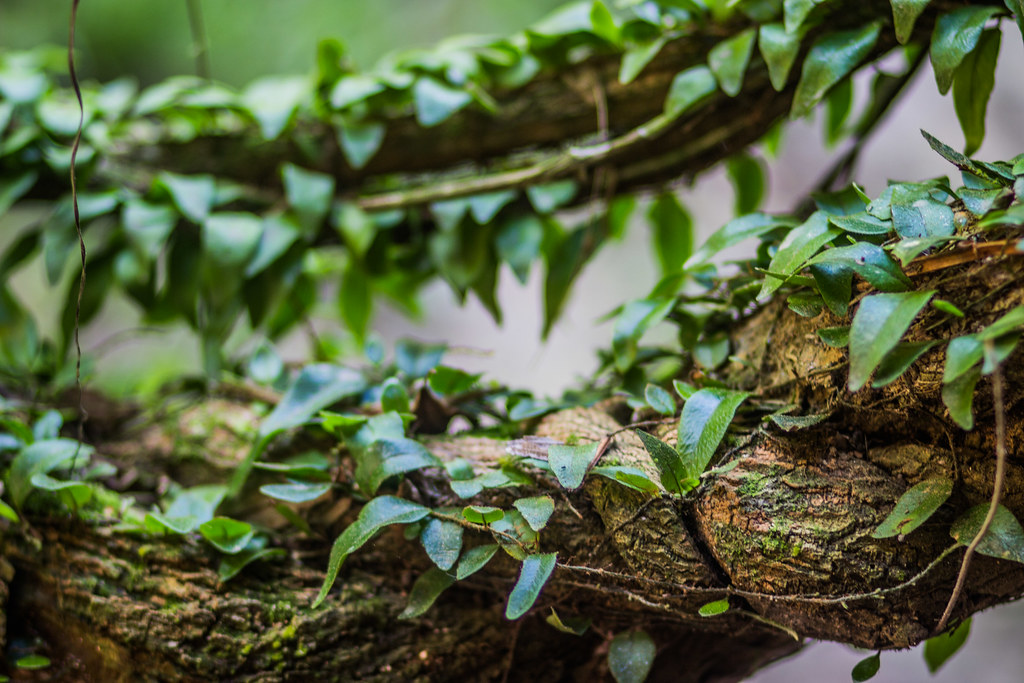
First things first. What is Ayahuasca? The word Ayahuasca comes from Quechua, the language of the Inca Empire. Loosely translated, it means “vine of the soul” or “vine of the dead.” Traditionally, the word ayahuasca can refer to a number of different things: the Banisteriopsis caapi vine, an MAO-inhibiting plant, or the brew made from this vine and a DMT-containing plant. This brew consists of several components, and the source responsible for the psychedelic effects is the DMT-containing plant.
Now you might be wondering why anything else is added to it. Well, our bodies are very good at breaking down DMT. So good, in fact, that if we were to consume these DMT-containing plants, we would notice little to no effects. And that’s where Banisteriopsis Caapi comes in. This vine contains so-called MAO inhibitors that ensure the active compounds are broken down less quickly by the body. The result: a psychedelic journey lasting a few hours, full of visual, mental, and healing effects.
Generally, the term “ayahuasca” refers to the combination of both the MAO inhibitor Banisteriopsis Caapi and a DMT-containing plant. Traditionally, these are the leaves of Psychotria viridis (chacruna) or Diplopterys cabrerana (chagropanga or chaliponga). The brew is used for numerous reasons and is considered one of the most potent psychedelic substances in existence. However, as more and more plants containing DMT are being found around the world and more sources of MAO inhibitors are being discovered, this has led to extensive experimentation with various substances and sources.
Ayahuasca
And that is where Anahuasca comes into the picture. Especially in Europe, there is a lot of experimentation today with various combinations of DMT sources and MAO inhibitors to create Ayahuasca. But because the ancient recipe uses the Banisteriopsis caapi vine and many of these new concoctions do not, they should not really be called ayahuasca, even though they generally are. The same applies to the use of substitute DMT sources, though the original DMT leaves and plants are less often considered a “must-have” for an authentic ayahuasca brew.
So what is it, then? In both cases, we’re talking about an ayahuasca analogue, or Anahuasca for short. The most popular substitute for Banisteriopsis Caapi in Anahuasca that we see today is Peganum harmala, also known as Syrian rue or harmal. This plant is used extensively because it is generally somewhat cheaper and easier to prepare than B. Caapi. A popular source of DMT aside from chacruna or chagropanga is the root bark of Jurema Preta, also known as Mimosa hostilis. Another variant that is also being used more and more frequently is the bark of the Hawaiian Acacia Confusa.
In short: Do you have a brew made from Banisteriopsis caapi and chacruna or chagropanga? Then you have real ayahuasca. Is one of these plants replaced by another product? Then you’re talking about an ayahuasca analogue, or anahuasca. Although ayahuasca and anahuasca are chemically similar, there are some differences. For example, the duration and intensity of the trip vary with the different combinations, but users also report different experiences regarding visual hallucinations and mental effects.


