


Last updated: March 4, 2025
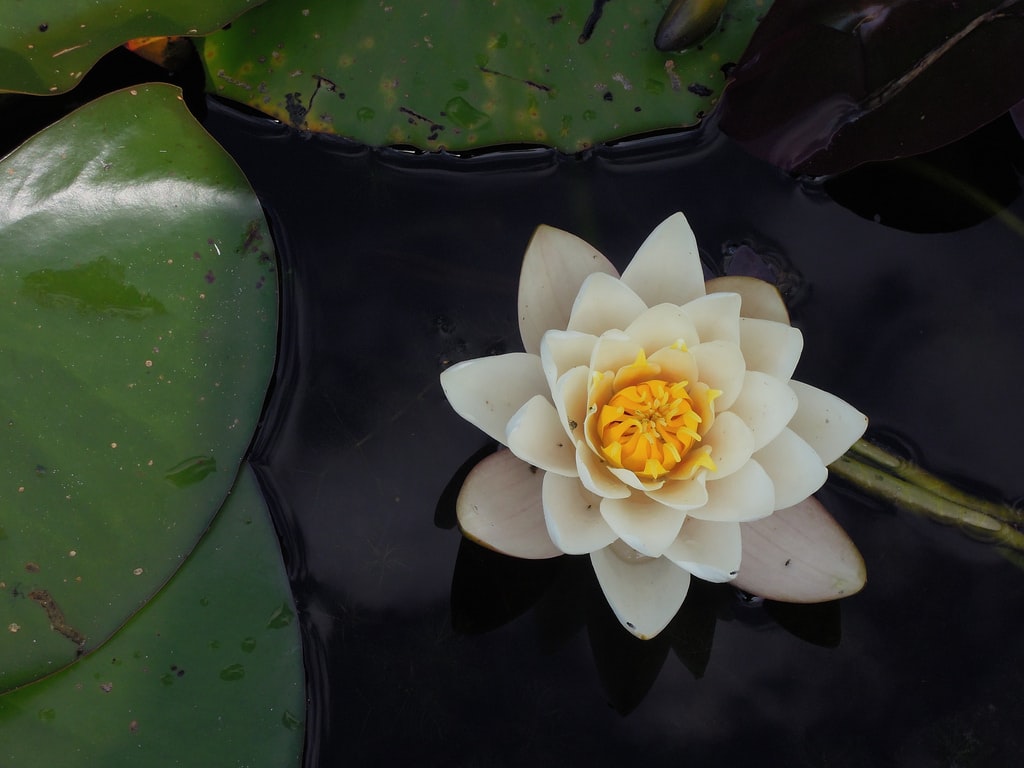
If you’re looking for high-quality herbs, look no further than Dutch-Smart. One such herb is Nymphaea ampla, better known as the white lotus or white water lily. Many people know the flower as a decorative or symbolic plant, but there is more to say about the properties of this herb—botanically, historically, and practically.
What is White Lotus?
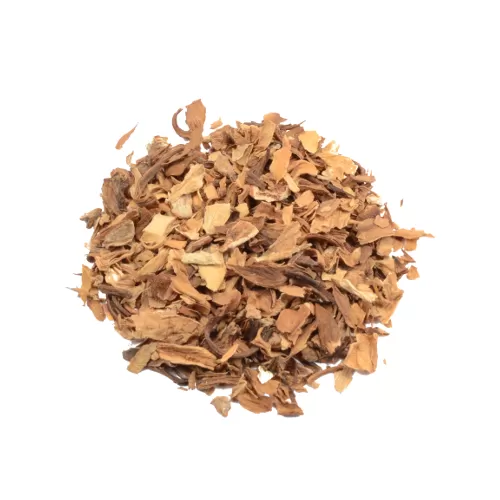 Nymphaea alba, also known as the European white water lily or white lotus, is a perennial aquatic plant native to Europe. It is often confused with Nymphaea lotus, the Egyptian white water lily, and with Nelumbo nucifera, the sacred lotus from the Indian and Buddhist traditions. Botanically, these are three distinct species, though they are frequently used interchangeably in common parlance and in the herbal trade. What Dutch-Smart sells as white lotus consists of dried petals and plant parts of Nymphaea ampla, a closely related species traditionally used in Central America.
The plant blooms with striking, fragrant white flowers and grows in still or slow-moving water. The roots anchor in the muddy bottom while the leaves float on the water’s surface, a growth habit that has been used in multiple cultures as a metaphor for spiritual purity—namely, beauty rising from the mud.
Prosperity and purity: the symbolism of the white lotus
The symbolism attributed to the white lotus led people in ancient Egypt, Assyria, and Mesopotamia to believe that the flower possessed special properties. In Buddhism, the lotus is regarded as a symbol of purity and immortality, because it grows from the mud of murky waters associated with the impurities of the world. Indian Buddhists placed images of the flower on their altars.
In Hinduism, the white lotus is associated with Lakshmi, the goddess of prosperity. The Mahabharata describes how the Pandava prince Yudhishthira is born from a lotus. The flower is also one of the eight auspicious symbols—the ashtamangala—which represent spiritual enlightenment and purity in both Buddhism and Hinduism.
In China, the white lotus is associated with summer and feminine Yang energy, while the red lotus symbolizes winter and masculine Yin energy. Its snow-white color and connection to water make the plant a universal symbol of perfection and purity in the Asian artistic tradition.
In the Maya culture of Central America, Nymphaea ampla played a similar ceremonial role. Images on Maya reliefs depict figures holding or carrying water lilies, and there are indications that the plant was used in ritual ceremonies, possibly due to the mind-altering properties of the alkaloids in the flower.
Active compounds in white lotus
The psychoactive properties of Nymphaea species are attributed to apomorphine and nuciferine, two alkaloids found in the petals, stems, and roots of the plant. Apomorphine is a dopamine agonist—it binds to dopamine receptors (D1 and D2) in the brain. Nuciferine has a mild antidopaminergic and sedative effect and also binds to serotonin and dopamine receptors. The combination of these two substances is presumably responsible for the relaxing and mildly mind-altering profile that users describe.
The concentrations of these alkaloids in dried Nymphaea petals are relatively low. This explains why the effects are mild compared to stronger psychoactive herbs. The plant therefore falls outside the category of powerful psychedelics and fits more into the segment of relaxing smart shop herbs.
Effects of White Lotus
The unique effects of white water lily (Nymphaea ampla) on the human body appear to be numerous. The herb is said to support cognitive function, help promote a calmer state of mind during times of stress and anxiety, and slightly boost energy levels. Furthermore, white water lily has traditionally been used as a diuretic, meaning it can stimulate urine production.
The white lotus is known for its ability to induce a state of deep relaxation and calm. This can help people connect with their inner selves and is also traditionally used in meditation practices. The effect is mild and gradual—do not expect an abrupt change in consciousness as with stronger psychedelics. Users describe the effect as a warm, gentle calm, similar to the relaxation following a gentle breathing exercise.
Please note that these descriptions are based on traditional use and user experiences. White Lotus is not a medicine, and there are no clinical studies to support medical claims. Do not attribute any therapeutic effects based on this article.
How do you use White Lotus?
The petals of the European white water lily can be consumed in various ways. The most common methods are as tea, wine, or by smoking. The dried white lotus sold by Dutch-Smart is best enjoyed as tea.
White lotus as tea
Bring water to a boil and let it cool slightly to about 85 to 90°C. Add 3 to 5 grams of dried petals and let steep for 10 to 15 minutes. Strain the tea and drink it slowly. Start with 3 grams if you’re using white lotus for the first time. The taste is slightly bitter and floral; a teaspoon of honey or some lemon juice makes the tea more pleasant.
White lotus in wine
White lotus can also be steeped in wine. Use about 5 grams per bottle and let the plant steep for a few hours to overnight. Strain before drinking. Do not use more than 5 grams: larger amounts make the wine bitter and unpleasant-tasting. The alcohol content of the wine slightly accelerates the absorption of the alkaloids, which can make the effect noticeable a bit sooner.
Smoking white lotus
The dried petals can also be smoked, possibly as an addition to a herbal blend. This is the least recommended method because the temperature during combustion breaks down some of the alkaloids, and smoking as a method of consumption carries more health risks than tea. Those who wish to smoke white lotus can combine it with neutral smoking herbs from the Dutch-Smart smoking herb assortment.
Combinations with other relaxing herbs
White lotus is traditionally and in modern herbal practice sometimes combined with other mild relaxing herbs. Kanna (Sceletium tortuosum) is a commonly used combination due to kanna’s serotonin reuptake inhibition alongside the dopaminergic effects of the lotus alkaloids. Both have a mild profile, but combinations enhance the effects and require a lower dose of both substances.
Ceremonial cacao is also sometimes combined with white lotus in meditation contexts. Cacao contains theobromine and small amounts of phenylethylamine, which have a mildly stimulating and mood-enhancing effect and complement the calming properties of the lotus well.
Do not combine white lotus with strong serotonergic agents such as MDMA or SSRI medication, and exercise caution when using it alongside MAO inhibitors.
White lotus and meditation
The mild mind-altering effects of white lotus have made the plant popular in meditation and ritual contexts. The effect sets in after 20 to 45 minutes and lasts 1 to 3 hours, depending on the dose and method of ingestion. Users describe reduced mental agitation, a sense of presence, and a slight deepening of attention—qualities that align with what is sought during meditation.
For meditation practices, tea is recommended over wine or smoking, as the effects are more gradual and easier to control. Drink the tea 30 to 45 minutes before the meditation session and choose a quiet environment free from external stimuli.
Harm reduction and safe use (18+)
White lotus is a relatively mild herb, but responsible use still requires attention to the following points:
- Starting dose: Begin with 3 grams as tea. Do not exceed 5 grams per use until you know how your body reacts to the plant.
- Avoid combinations: Do not combine with MAO inhibitors, SSRI antidepressants, or strong psychedelics. Limited use with alcohol is possible, but larger amounts may unpredictably intensify the sedative effect.
- Driving and operating machinery: The relaxing effect may affect reaction time. Do not drive a vehicle during or shortly after use.
- Pregnancy and breastfeeding: Use is not recommended due to a lack of safety data.
- Not for medical use: White lotus is not a medicine. Do not use it as a substitute for medical treatment for anxiety disorders, depression, or other mental health conditions.
- Age restriction: For adults 18 years of age and older only.
Frequently Asked Questions About White Lotus
Is white lotus legal in the Netherlands?
Yes, white lotus (Nymphaea ampla and Nymphaea alba) is legal in the Netherlands. The plant is not listed under the Opium Act and is freely available as an herb. This distinguishes white lotus from some other psychoactive plants in the smart shop assortment.
What is the difference between white lotus and blue lotus?
Blue lotus (Nymphaea caerulea) originates from Egypt and has a slightly different alkaloid profile: it also contains nuciferine and apomorphine, but in different proportions. Historically, blue lotus has played a more prominent role in Egyptian ritual contexts than the white variety. The effects are similarly mild, with blue lotus being described by users slightly more often as mildly euphoric and white lotus slightly more as relaxing and sedative.
How long does the effect of white lotus tea last?
At a dose of 3 to 5 grams as tea, the effect is usually noticeable after 20 to 45 minutes. The peak occurs around 1 to 1.5 hours after ingestion, and the total effect lasts 2 to 3 hours. This can vary depending on stomach contents, body weight, and individual sensitivity to the active alkaloids.
Can I combine white lotus with other herbs from the smart shop assortment?
Mild combinations with kanna or cacao are common and are described as pleasant by experienced users. Be cautious with combinations involving stronger herbs such as salvia divinorum or plant material with MAO-inhibiting properties, such as those found in the ayahuasca range. Never combine two unknown substances at the same time.
About the author

Editor
Derek writes for Dutch Smart about smart shop products, cultivation techniques, and harm reduction. He combines practical experience with factual, evidence-based information, without hype or vague promises.


