


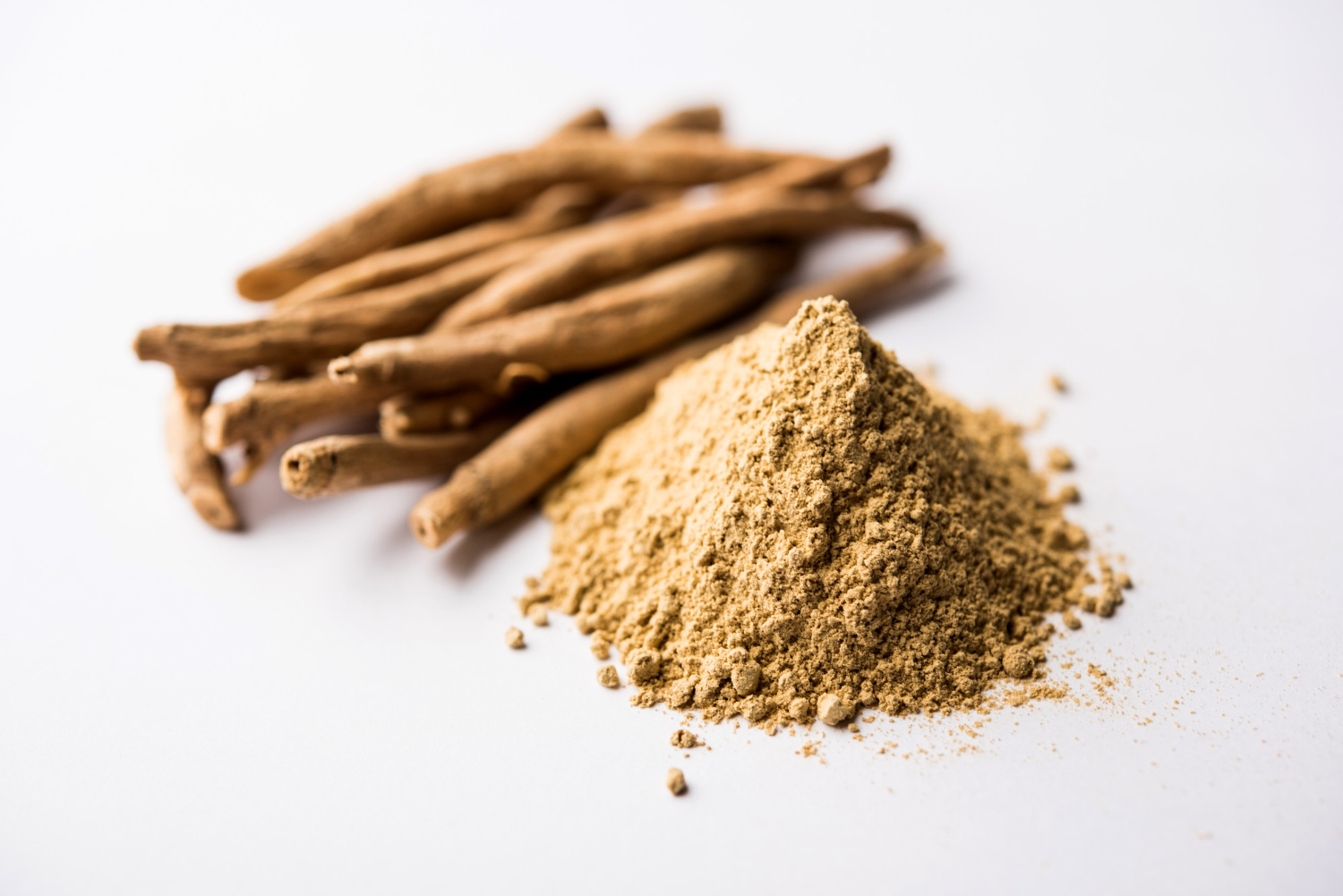
If you want to learn more about Ashwagandha, you’re not alone. This powerful adaptogenic herb has gained popularity in recent years due to the many benefits it offers for overall health and well-being. In this final part of our comprehensive Ashwagandha Guide, we answer some of the most frequently asked questions about this fascinating herb. Whether you’re curious about the best way to take Ashwagandha, how it differs from other adaptogenic herbs, or whether it’s suitable for children, we have the answers for you. Keep reading to discover even more about Ashwagandha and how you can incorporate it into your daily routine to fully benefit from its many advantages.
Article Overview
- Ashwagandha Guide Part 1: Introduction to Ashwagandha
- Ashwagandha Guide Part 2: The Health Benefits of Ashwagandha
- Ashwagandha Guide Part 3: Different Forms of Ashwagandha and How to Use Them
- Ashwagandha Guide Part 4: Side Effects, Precautions, and Contraindications
- Ashwagandha Guide Part 5: Ashwagandha in the Kitchen: Delicious Ideas for Snacks and Dishes
- Ashwagandha Guide Part 6: Frequently Asked Questions About Ashwagandha
How long does it take for Ashwagandha to work?
It may take some time before the effects of Ashwagandha are noticeable, as this herb is traditionally used to gradually support and balance the body. Many people notice improvements within a few weeks, but it may take several months to experience the full benefits. It’s important to be patient and consistent when using Ashwagandha and not to expect results too quickly. Give your body time to adjust to the changes and listen closely to the signals it’s giving you.
Can I combine Ashwagandha with other supplements?
In traditional Ayurvedic medicine, Ashwagandha is often combined with other herbs and supplements to achieve synergistic effects and promote overall health and well-being. Combining Ashwagandha with other supplements, such as Rhodiola, Schisandra, or Bacopa, may potentially enhance the benefits and provide broader support. However, it is important to always exercise caution when combining supplements and herbs. Consult a doctor, pharmacist, or herbalist before combining Ashwagandha with other supplements, especially if you are taking medications or have a medical condition.
Is Ashwagandha safe for long-term use?
Ashwagandha has been used safely for centuries in Ayurvedic medicine. Although it is generally considered safe, it is important to pay attention to your body and potential side effects. Some people may be sensitive to Ashwagandha and experience side effects, such as stomach upset, headaches, or drowsiness. If you experience side effects, consider reducing the dosage or stopping use of Ashwagandha. Consult a doctor or herbalist about the safety and suitability of long-term use of Ashwagandha in your specific situation.
What is the best time of day to take Ashwagandha?
There is no strict rule regarding the best time of day to take Ashwagandha, as this can vary depending on personal preference and lifestyle. Some people prefer to take Ashwagandha in the morning for an energy boost and to reduce stress throughout the day. Others prefer to take it in the evening to relax and ensure a good night’s sleep. Experiment with different times to see what works best for you. The most important thing is to be consistent with when you take it, so your body can adjust and fully benefit from the herb. Consider your daily routine and choose a time that best fits your needs and lifestyle.
How should I store Ashwagandha?
It’s important to store Ashwagandha properly to preserve the herb’s potency and effectiveness. Store Ashwagandha in an airtight package or container, away from direct sunlight, moisture, and heat. A cool, dark, and dry place, such as a kitchen cabinet or pantry, is ideal for storing Ashwagandha. Make sure to close the container tightly after use to prevent the herb from being exposed to air, which can reduce its quality.
Can Ashwagandha help with weight loss?
In Ayurvedic medicine, Ashwagandha is often used to help the body adapt to stress and promote a healthy metabolism. Although there is no direct link between Ashwagandha and weight loss, the herb can help your body better manage stress, which in turn can lead to better appetite regulation and an improved metabolism. It’s important to remember that Ashwagandha is not a miracle cure for weight loss and that it must be combined with a healthy diet and regular exercise to be effective.
Can I use Ashwagandha if I have a medical condition?
Although Ashwagandha is generally considered safe, it’s important to exercise caution if you have a medical condition. Certain conditions, such as thyroid disorders, autoimmune diseases, or diabetes, may be affected by the use of Ashwagandha. Always consult a doctor or pharmacist before using Ashwagandha if you have a medical condition or are taking medications.
Is Ashwagandha suitable for children?
In traditional Ayurvedic medicine, Ashwagandha is sometimes used in children to strengthen the immune system and support growth and development. However, it is important to exercise caution when using herbs in children. Always consult a pediatrician before giving Ashwagandha to children. They can advise you on the suitability and dosage for your child based on age, weight, and health condition.
What is the best way to take Ashwagandha for maximum benefits?
The effectiveness of Ashwagandha can vary depending on how you take it. In general, it is recommended to take Ashwagandha daily, preferably at a set time to optimize absorption and effects. Ashwagandha is available in various forms, such as powder, capsules, tinctures, and extracts. Choose the form that best suits your needs and preferences. It may also be beneficial to take Ashwagandha in combination with other adaptogenic herbs, such as Rhodiola rosea or Siberian ginseng, for synergistic benefits.
What is the difference between Ashwagandha and other adaptogenic herbs?
Adaptogenic herbs are plants that help the body adapt to stress and promote a general sense of well-being. While Ashwagandha is a popular adaptogenic herb, there are also other adaptogens, such as Rhodiola rosea, Siberian ginseng (Eleutherococcus senticosus), and Holy basil (Ocimum sanctum). Each adaptogenic herb has its own unique set of benefits and properties. Ashwagandha is often praised for its calming and balancing effects on the nervous system, while Rhodiola is known for its ability to improve mental clarity and physical endurance. It may be helpful to combine or rotate different adaptogenic herbs to benefit from their unique advantages.
In conclusion...
After exploring the fascinating world of Ashwagandha in this comprehensive guide, we hope you now have a better understanding of this powerful adaptogenic herb and the many benefits it can offer. We’ve examined the history and origins of Ashwagandha, as well as its traditional uses in Ayurvedic medicine. We’ve also discussed the health benefits related to stress reduction, cognitive function, immune system support, and much more.
In this guide, we’ve covered the different forms of Ashwagandha, from powder and capsules to tinctures and extracts, and we’ve given you some ideas on how to incorporate this herb into your daily routine, both in the kitchen and as a supplement. We’ve also emphasized the importance of taking precautions, being aware of potential side effects, and considering contraindications when using Ashwagandha.
As you set out to try Ashwagandha and integrate it into your life, we recommend using the information in this guide as a starting point for your journey of discovery. It’s always a good idea to do further research and consult with a qualified healthcare provider, especially if you have underlying health conditions or are taking medications. Remember that, although Ashwagandha has a long history of traditional use, it is important to pay attention to your own body and how it responds to this herb. We wish you every success and well-being on your journey toward a healthier and more balanced life with the help of Ashwagandha!


