


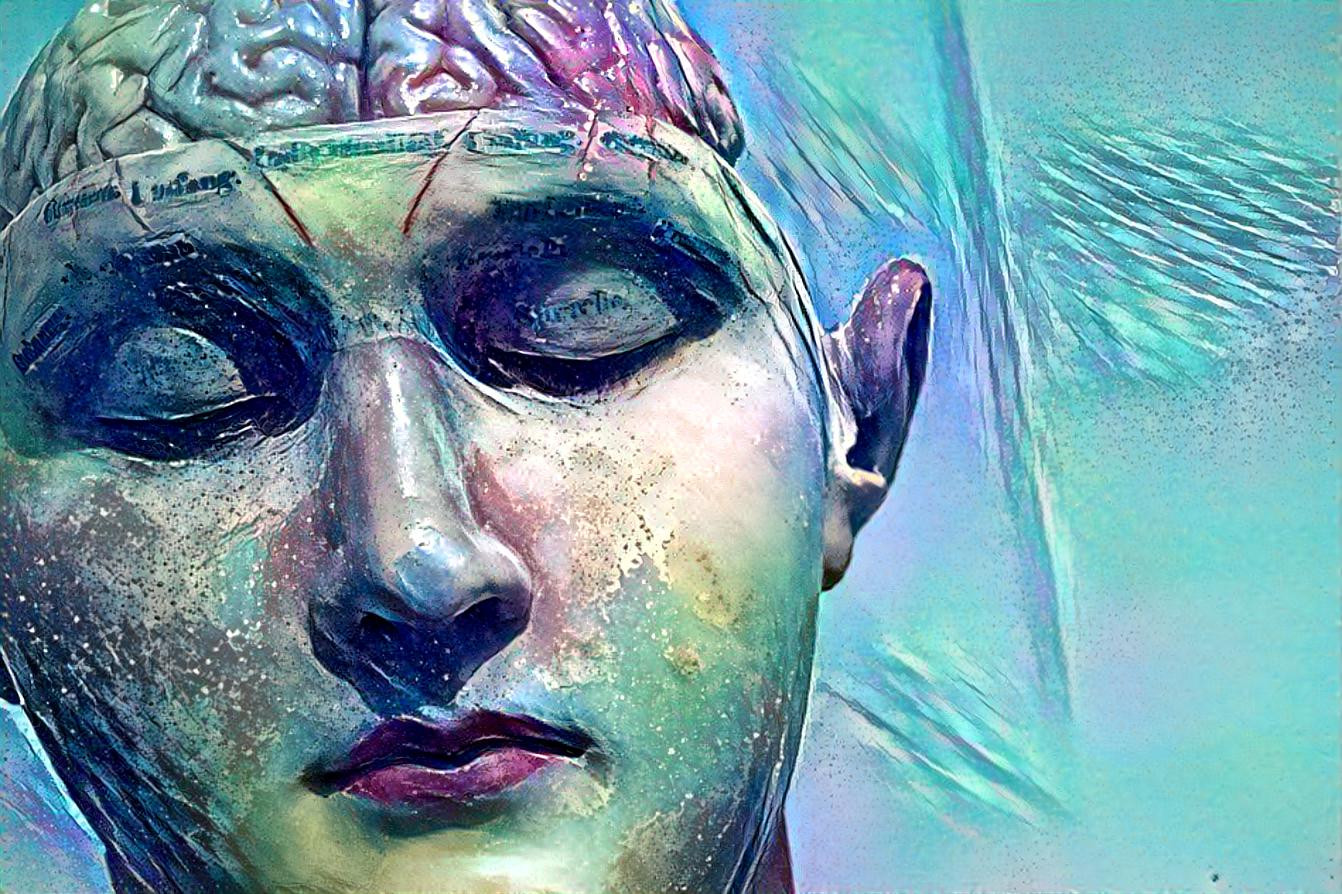
Whereas psychedelic drug users used to pop a few grams of truffles or a tiny tab of LSD without a second thought, these days we know exactly what substances they’re taking. Research shows that the new generation of psychonauts often has detailed information about the substances they take—a far cry from the past.
Read also: Australia is also diving into the world of psychedelics
The mind of the psychonaut
Today’s psychonauts are “enthusiastic and intentional researchers of hallucinogens, including psychedelic drugs—both synthetic and natural—for self-exploration, spiritual attainment, or the induction of an altered state of consciousness,” according to a new study. Many of today’s psychonauts also identify as followers of shamanism, but they have an almost scientific approach and a drive to document their experiences and share them online.
Not much research has been done on the psyche of psychedelic drug users, but a new study published in Frontiers in Psychiatry has attempted to uncover the differences between the brains of psychonauts and non-psychonauts.
First of all, users of psychedelic substances today seem to fit a certain profile. Psychonauts in 2021 are typically single, well-educated, young adults with strong IT skills. In addition, they generally report feeling more euphoric, empathetic, altered, and creative when taking hallucinogenic substances. And that’s not surprising, since we already know quite a bit about what psychedelics do to the human brain.
Read also: Boost your concentration with the remarkable Gotu Kola
Online research
Another way today’s psychonauts differ significantly from drug users of the past is that we now share a great deal with other psychonauts and those interested in the experience. Online communities therefore offer a unique environment to communicate with like-minded individuals in an open and anonymous way. The main goal is to share information about the purity, dosage, and safety of substances prior to experimentation.
For this study, 82 people were studied who identified themselves as psychonauts, users of “party drugs,” and people seeking help with the use of certain substances. This was done by categorizing cognitive processes into “warm” and “cold,” which in turn related to two parts of the human brain. The cold loop is involved in planning and concentration, while the warm loop is involved in risky decision-making, emotion, and behavior.
Read also: The remarkable maca—a natural libido booster
Cold and hot cognition
What did they find? Psychonauts scored the same as non-psychonauts in terms of “cold cognition,” but when it comes to “hot cognition,” which determines emotional and social intelligence, psychonauts appear to score higher. In other words: users of psychedelic substances exhibited a high level of sensation-seeking traits. Among other things, this suggests that psychonauts are more adventurous than non-psychonauts.


![First. Together [S]Experience Starter Set](images/productimages/small/lbx04-04.jpg)
![First. Together [S]Experience Starter Set](images/productimages/small/lbx04-04-2.jpg1.jpg)