


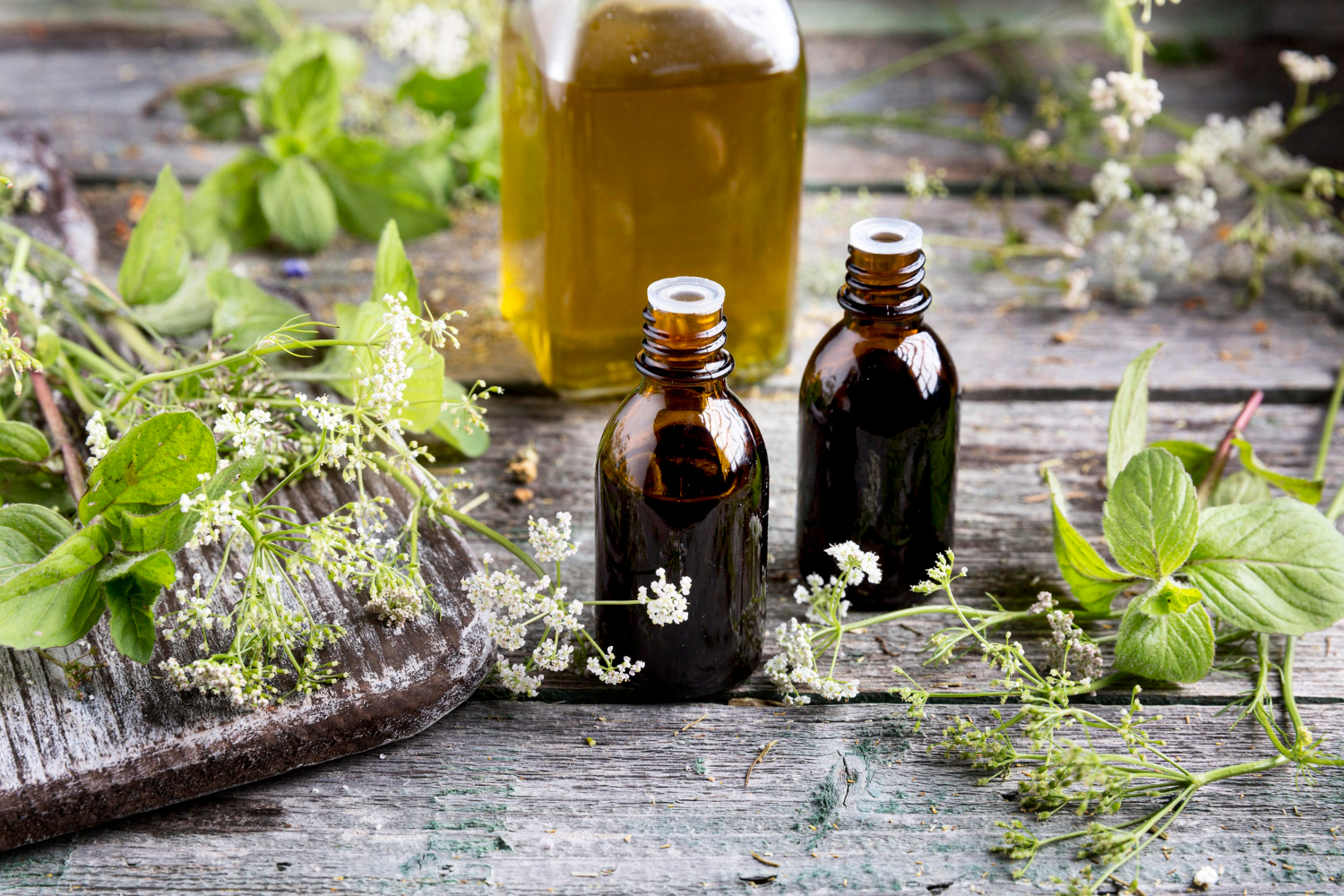
Natural herbal extracts are more popular than ever. For those who enjoy experimenting with the power of plants, we’re sharing our knowledge on how to make high-quality extracts at home. With the right tools and techniques, you can achieve impressive results right in your own home. Ready for a new adventure, or curious about how you can save money on your herbal extracts? Then read on!
Why make your own?
The natural world is full of plants with special properties. Making your own herbal extracts isn’t just a fascinating hobby—it also saves you quite a bit of money. This centuries-old technique is now more accessible than ever for home users. The big advantage? You know exactly what’s in it. No unnecessary additives or dilutions—just pure plant concentrates exactly the way you want them. Plus, you develop a deeper connection with the plants you use, including their unique properties and effects.
The prices of ready-made extracts can really add up, especially if you’re looking for quality. By making them yourself, you can save up to 70% while also experimenting with strengths and combinations that aren’t commercially available. There’s a special satisfaction in holding your first homemade extract—created by you from start to finish. You don’t get that sense of mastery and independence with a ready-made product, no matter how premium the packaging looks.
- Cost-effective: Significant savings compared to commercial products
- Purity: Full control over ingredients without unnecessary additives
- Customizability: Create extracts with exactly the right strength and composition
- Sustainability: Less packaging waste and a smaller carbon footprint
- Personal connection: Develop a deeper connection with the herbs you use
- Self-sufficiency: Become less dependent on commercial products and suppliers
Different extraction methods explained
 There are various methods for extracting active compounds from plants, each with specific advantages. The choice of a particular technique depends on what you want to achieve and the intended use of the extract. Some plant compounds dissolve better in alcohol, others in oil or water. Understanding this basic principle is the first step toward making effective extracts that do what you expect them to.
The most commonly used method is alcohol extraction, which uses ethanol to extract both water- and fat-soluble compounds from plants. This results in versatile extracts with a long shelf life. For those who prefer not to use alcohol, oil extraction offers an excellent alternative. By steeping herbs in vegetable oils such as olive or coconut oil, you create extracts that are perfect for skincare or culinary uses. Water extraction, in the form of teas or decoctions, is perhaps the most accessible method and ideal for water-soluble components such as certain antioxidants.
- BHO extraction: Uses butane as a solvent for highly concentrated extracts
- CO2 extraction: An advanced technique for exceptionally pure results
- Pressure and heat combination: Combines mechanical pressure with heat for efficient extraction
- Cold extraction: Preserves temperature-sensitive compounds by using low temperatures
- Ultrasonic extraction: Uses sound waves to break down cell walls for better results
- DME extraction: A safer alternative to butane with comparable results
The right equipment for the best results
The quality of your tools largely determines the quality of your final product. With the right equipment, you don’t just make an extract—you create a potent concentrate that works optimally. Fortunately, there are now various systems available that simplify and refine the process. Whether you’re a beginner hobbyist or an experienced extractor, there are options for every skill level. An investment in good equipment pays off in the form of superior results.
As a beginner, you don’t need to purchase the most advanced setup right away. A sturdy grinder for grinding plant material, a sieve for filtering, and a basic extractor together make for an excellent starting point. For alcohol extractions, glass jars and filter paper are usually sufficient. BHO extraction involves more steps and requires specialized tools such as a Honey Bee or D-Blaster for safety and optimal results. Always choose equipment specifically designed for your desired extraction method—improvising can not only lead to disappointing results but, in some cases, also to unsafe situations.
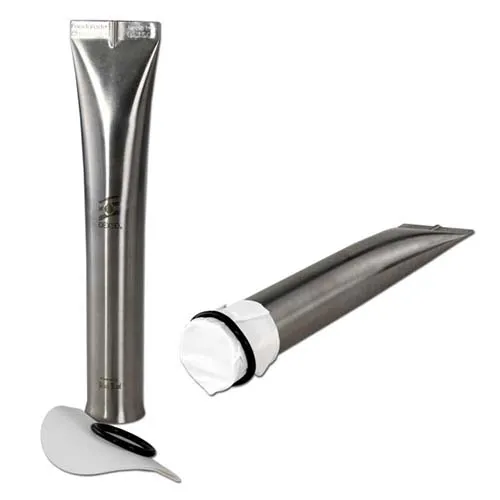
Dexso D-Blaster Standard Oil Extractor
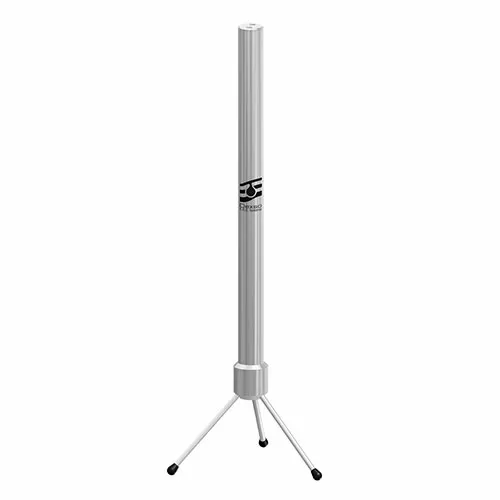
The Dexso D-Blaster is an excellent choice for both beginners and advanced users. This extractor is made from food-safe V2A stainless steel, ensuring durability and safety during the extraction process. Its well-thought-out design combines the simplicity of glass extractors with the advantages of metal: shatter resistance and resistance to extreme temperature fluctuations. With the D-Blaster, you can extract high-quality essential oils from various plants and herbs, making it a versatile tool.
A key advantage of the D-Blaster is its compatibility with Dexso Dimethyl Ether, a non-toxic, food-grade solvent that is significantly less explosive than butane gas. This not only makes the extraction process safer but also results in a purer end product with better flavor. Of course, you can also use butane gas as an alternative. The D-Blaster stands out for its user-friendliness, excellent value for money, and robust construction. A wise investment for anyone who wants to get serious about extractions.
- For alcohol extraction: Glass jars, filter paper, high-quality alcohol (at least 95% ethanol)
- For oil extraction: Heat-resistant glass containers, heat source, accurate thermometer
- For BHO extraction: Professional extractor such as the D-Blaster, butane or DME, protective gloves
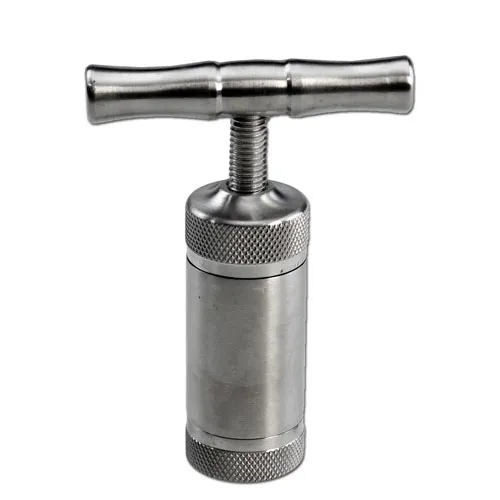
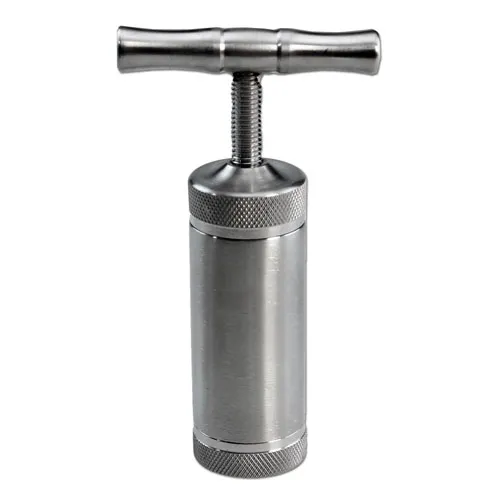
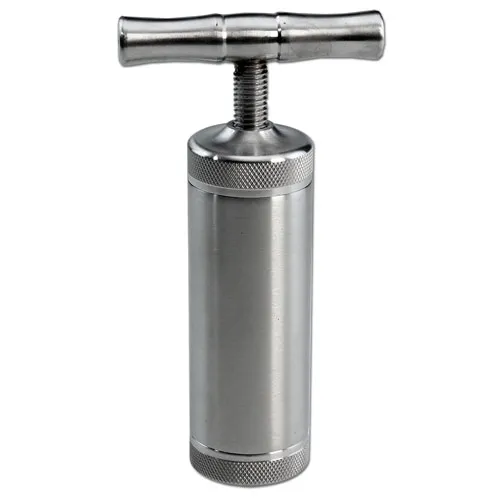
- For mechanical extraction: Herb and pollen presses in various sizes for different applications
- For all methods: Precision scale, lab gloves, safety goggles
- For finishing: Glass storage jars, silicone tools for handling sticky substances
Step by step: making your first extract
Making your first extract can be an exciting endeavor. With the right preparation and a systematic approach, however, it is an accessible process that even beginners can master. Before you begin, it’s important to select high-quality raw materials—fresh or well-dried plant material free of contaminants forms the basis for a successful extract.
BHO Honey Extractor DLUX - extraction step by step
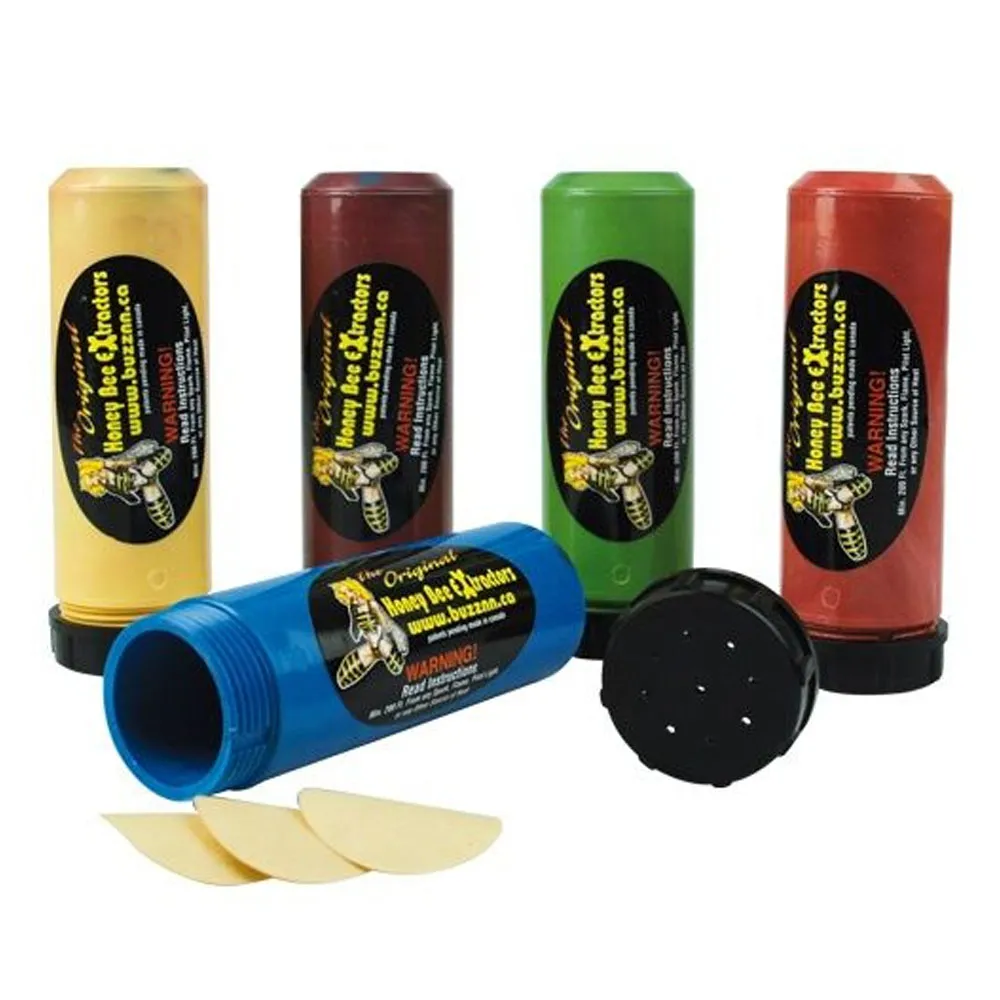
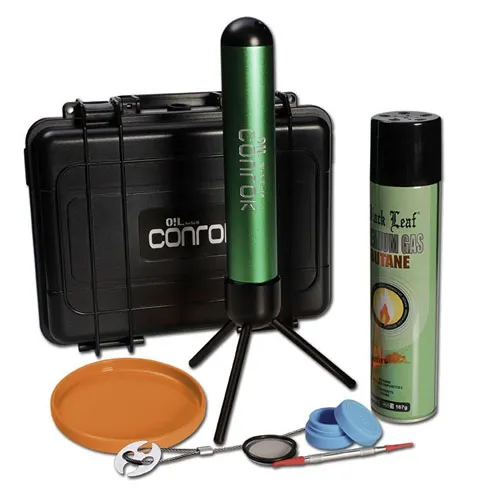
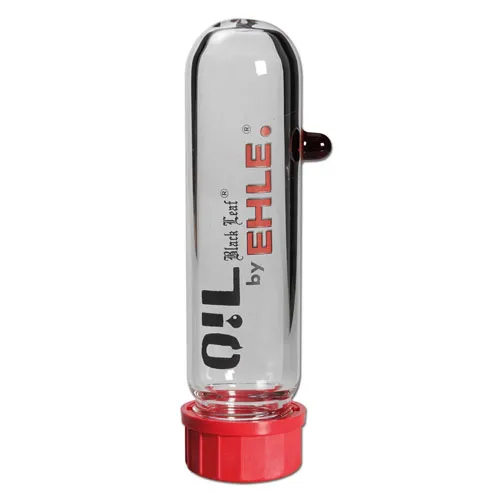
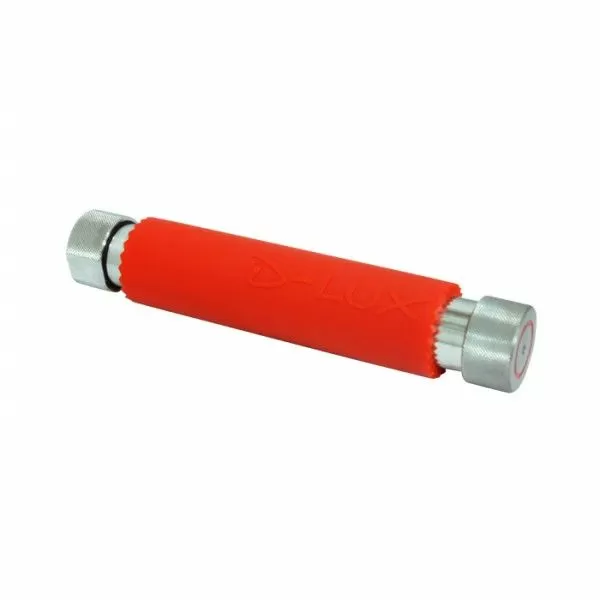 The BHO Honey Extractor DLUX series offers an excellent solution for home extraction, available in various sizes to meet diverse needs. These extractors are specifically designed for making high-quality concentrates from plant material. Make sure you have all the necessary supplies within reach and always work in a well-ventilated area free of ignition sources—safety is crucial with any extraction method.
The BHO Honey Extractor DLUX features a non-slip silicone protective sleeve that provides protection against the extreme cold during the extraction process. The principle is simple yet effective: butane gas or DME (Dimethyl Ether) flows through carefully prepared plant material, carrying away the soluble compounds and collecting them as a liquid extract. After the solvent evaporates, a concentrated extract remains containing the active compounds of your plant material.
- Preparation: Grind your plant material finely and ensure it is thoroughly dried
- Filling: Loosely fill the extraction container with the material (do not pack it too tightly)
- Sealing: Carefully seal the container with the rubber ring for an optimal seal
- Extraction: Attach the can of butane gas or DME and let the solvent flow into the extractor
- Collection: Collect the liquid extract in a heat-resistant, non-stick glass dish
- Evaporation: Allow the solvent to evaporate at room temperature for 24 hours
- Harvesting: Carefully collect the concentrated extract from the dish
- Storage: Store your extract in an airtight container in a cool, dark place
Different types of extracts and their applications
There is a wide range of extracts, each with its own characteristics and uses. Depending on the plant material and the method used, you can create extracts with varying properties and effects. Some are perfect for relaxation, while others are ideal for focus or creativity. Understanding these differences helps you work with precision and create exactly the extract that meets your needs.
Tips and tricks for advanced users
As you gain more experience making extracts, you may find that you’re ready for advanced techniques that take your results to the next level. This section is dedicated to tips and tricks that help you get the most out of your extraction process, for those who want to refine their skills and optimize the quality of their extracts.
Refined Extraction with the Cannolator
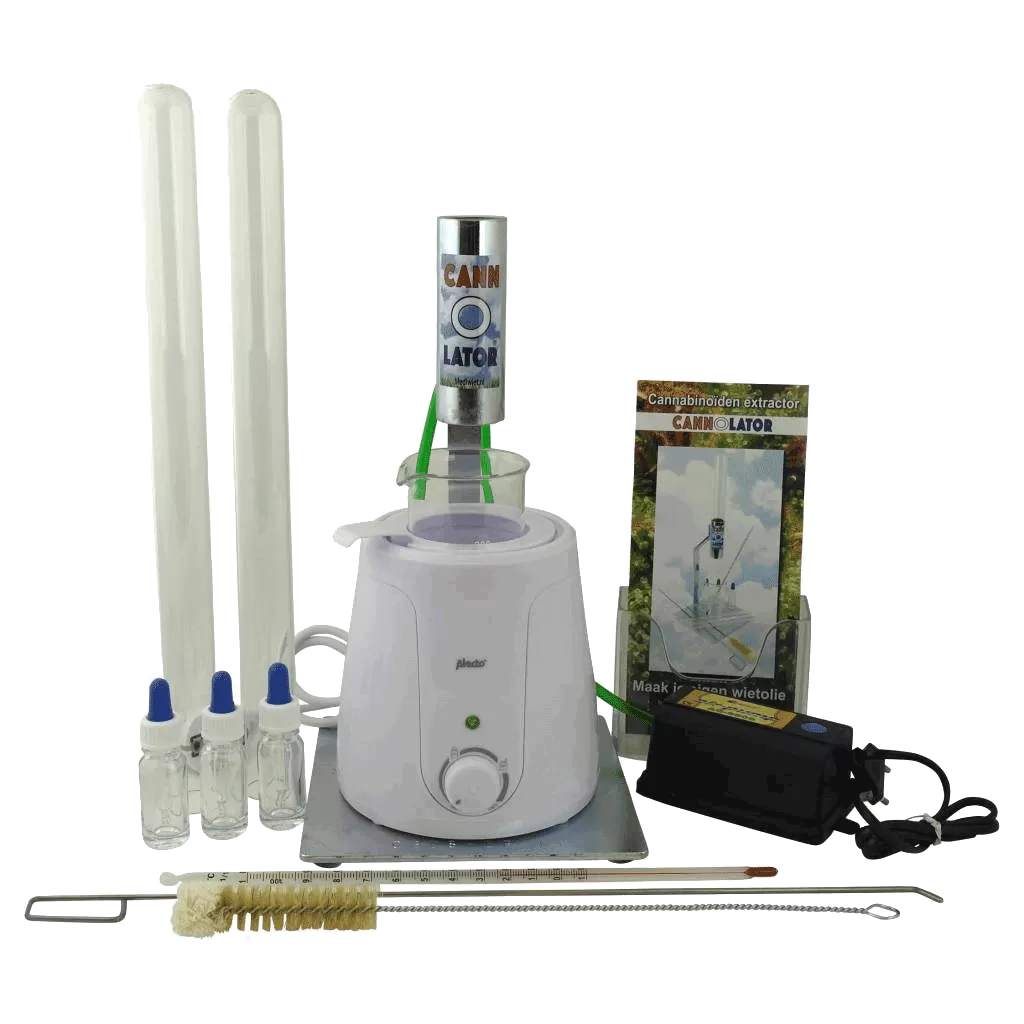 The Cannolator Cannabis Extractor from Medi-Wiet offers a more refined approach to making high-quality extracts. This system was specifically developed for people who want to prepare reliable CBD oil themselves. The complete package comes with a Dutch-language manual and contains everything you need for a successful extraction.
One of the biggest advantages of the Cannolator is its efficiency: the system saves up to 50% alcohol compared to traditional methods. This not only makes it more cost-effective but also significantly shortens the extraction time. With just 120ml of alcohol per 20 grams of plant material, you can produce approximately 2 grams of pure oil within two hours. The longer tubes (37 cm) in the current model provide extra ease of use, while the included baby bottle warmer ensures a controlled temperature throughout the entire process.
- Temperature control: Keep the temperature constant for consistent results
- Refine filtration: Experiment with different filtration methods for purer extracts
- Winterization: Cool your extracts to remove unwanted waxes and fats
- Decarboxylation: Preheat your plant material to activate certain properties
- Terpene preservation: Use low temperatures to preserve delicate aroma compounds
- Vacuum purging: Remove solvent residues more effectively with a vacuum chamber
Safety First: Important Warnings
When working with extraction methods, safety is of the utmost importance. Some techniques, particularly those involving solvents such as butane or alcohol, carry specific risks that should not be underestimated. In this section, we discuss essential safety measures you must always follow to prevent accidents and ensure a safe extraction experience.
The most important safety aspect of BHO extraction is working in a well-ventilated area, preferably outdoors, and far away from ignition sources such as open flames, cigarettes, or electrical devices that can produce sparks. Butane and DME are highly flammable and can lead to serious accidents if used carelessly. Always wear protective gloves and safety goggles during the process. Good ventilation is also important for alcohol extractions due to the volatile vapors. Never store large quantities of strong alcohol in your home and keep it away from heat sources.
- Always work outdoors or in an extremely well-ventilated area when using volatile solvents
- Avoid sources of ignition such as open flames, cigarettes, electrical switches, and appliances
- Wear protective gear, including gloves and safety goggles
- Thoroughly educate yourself on the specific risks of your chosen extraction method
- Store chemicals safely and out of reach of children and pets
- Carefully follow the instructions provided with your extraction equipment
Storing and using your homemade extracts
After successfully making your own herbal or plant extract, it’s important to know how to store and use it properly. Proper storage ensures your extract retains its potency and quality, while knowing how to use it helps you get the most out of it. In this section, we share practical tips for storing and using your homemade extracts.
For most extracts, it is best to store them in airtight, dark glass containers such as amber-colored dropper bottles. Store your extracts in a cool, dark place to prevent oxidation and degradation caused by light. Some extracts, especially oil-based ones, may benefit from refrigeration to extend their shelf life. Always label your extracts clearly with the contents, date of production, and, if applicable, the potency, so you know exactly what you have on hand.
- Glass containers: Preferably use amber-colored glass to prevent light degradation
- Seal airtight: Minimize exposure to oxygen to prevent oxidation
- Cool, dark storage: Avoid heat and direct sunlight
- Clear labels: Always note the contents, date, and concentration
- Small quantities: Divide large batches into several smaller containers
- Use clean tools: Prevent contamination when handling your extracts
Start your extraction adventure today
Making your own herbal extracts is a fascinating journey that connects you to centuries-old traditions while utilizing modern techniques and equipment. Whether you’re interested in making plant-based concentrates for personal use or simply enjoy experimenting with natural ingredients, the world of extraction offers endless possibilities for discovery and exploration.
With the knowledge from this guide and the right extraction tools, you’re well-prepared to take your first steps into this fascinating world. Remember that, as with any new skill, practice makes perfect. Be patient with yourself and enjoy the learning process. Experiment with different herbs, methods, and equipment to discover what works best for your specific goals. The reward—high-quality, homemade extracts tailored exactly to your taste and preferences—is well worth the effort.
- Start small: Begin with simple extractions and gradually build your skills
- Document your work: Keep a log of your experiments and results
- Experiment: Try different herbs, techniques, and combinations
- Share experiences: Learn from others and share your own discoveries
- Prioritize safety: Always take the necessary precautions
- Enjoy the process: The journey is just as valuable as the end result


