Celebrate International Day of the World’s Indigenous Peoples with these indigenous products!
By Derek (Mycoloog & Kruidenexpert)
9 Aug 2019
We have something to celebrate today! August 9 is the“International Day of theWorld’sIndigenous Peoples.” On this day, the rights of the world’s indigenous peoples are protected, and the achievements and contributions of indigenous people toward improving global issues such as environmental protection are recognized. Regular visitors to Dutch Smart know that a significant portion of our products come from indigenous tribes in South American regions. Think of herbs, plants, and even tree bark! In this article, we’ll look at 5 unique products that we owe entirely to these indigenous communities!
Want to view the product right away? Just click on the image!
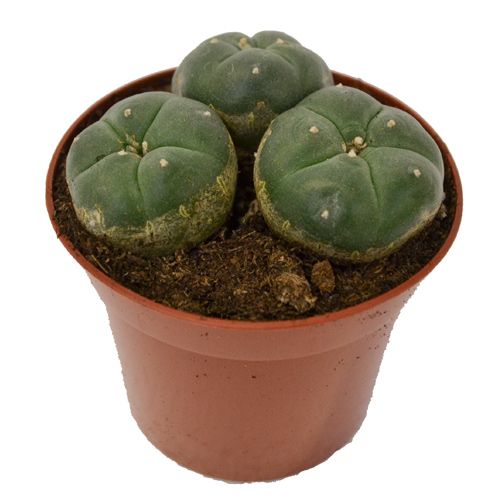
Peyote Cacti
Peyote, also known scientifically as Lophophora williamsii, is a thoroughly indigenous cactus. This South American cactus contains the psychedelic compound mescaline, a very powerful substance that induces intense hallucinations in the user. The use of these cacti dates back thousands of years. In fact, Mexican Indians are said to have experienced the effects of peyote as early as 5,700 years ago! Although the effects of mescaline can vary from person to person, peyote is capable of taking the user on a highly psychedelic journey. The state induced by mescaline is generally described as more lucid than the effects of LSD. This includes visual hallucinations, as well as changes in sensation and perception of the environment. Those Native Americans certainly knew where to find their spiritual journey!
Salvia Divinorum
It is considered one of the most hallucinogenic substances in the world. We are talking about Salvia Divinorum, a sacred plant that was primarily revered by the Mazatec Indians. Chewing these leaves induces a dreamlike state of consciousness at low doses, but at high doses the effects become much more extreme. In this state, one does not experience time, space, and one’s own thoughts in the usual way: everything changes! The psychoactive plant can induce a powerful spiritual and healing psychedelic experience, but it can also trigger nightmares or anxiety. It is therefore wise to do your research thoroughly before using salvia: the setting alone, for example, largely determines how you experience the trip!
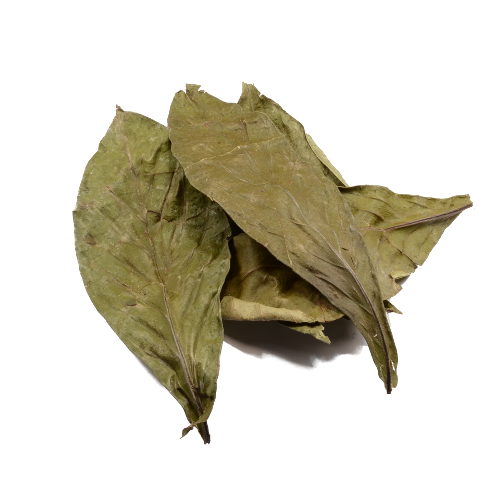
Chacruna
We’re starting to wonder why so many of the world’s psychedelic substances come from South America... Chacruna is another one from the same region. These leaves, also known as Psychotria Viridis, are largely responsible for the unique effects of the sacred drink Ayahuasca. Chacruna contains a high concentration of the visionary tryptamine DMT—the most powerful hallucinogen in the world! These leaves grow on a small tree found only in the warm regions of the Amazon basin. In Quechua, Chacruna means “to mix.” This name refers to the traditional use of the leaves. Shamans have been using Chacruna for thousands of years together with Banisteriopsis Caapi to create the magical drink...
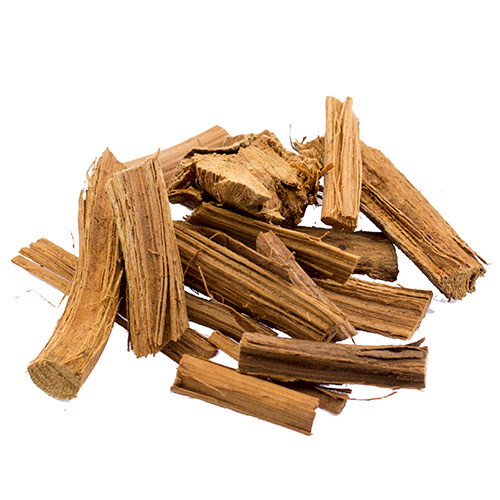
Banisteriopsis Caapi
And that brings us straight to perhaps the most remarkable of these five. Banisteriopsis Caapi is, in fact, the most important component of Ayahuasca. In fact, Banisteriopsis Caapi is even referred to as Ayahuasca on its own. The primary function of this vine is to prevent the breakdown of DMT in the body. This effect is achieved through the presence of so-called MAO inhibitors found in B. Caapi. Normally, when taken orally, DMT is broken down by the body quite easily and quickly. Banisteriopsis Caapi ensures that the DMT becomes active, allowing us to embark on an intense, spiritual journey through the Ayahuasca brew that can last up to 8 hours. The shamanic combination of DMT and an MAO inhibitor is also becoming increasingly popular in the Western world!
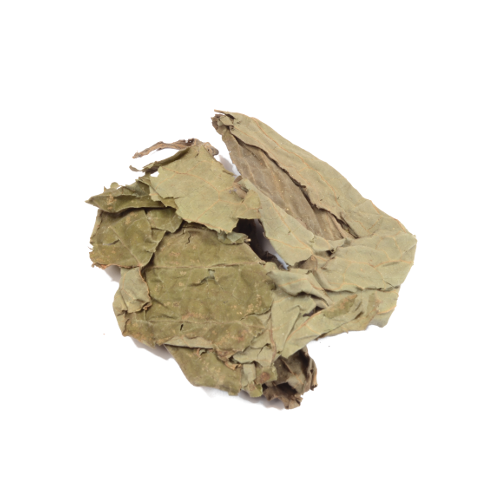
Calea zacatechichi
While the two indigenous products above primarily induce a dreamlike psychedelic trip, Calea zacatechichi is truly a dream herb. This herb comes from a shrub that grows in Mexico and Central America and possesses several very unique characteristics. Dream herb, as this product is generally called, ensures that you experience much more intense dreams while you sleep. It is also said to make it easier for users to have lucid dreams. Calea has been used by indigenous tribes for thousands of years because of its unique effects. For example, it is believed that Calea gives shamans the ability to connect with the spiritual world during their dreams.