


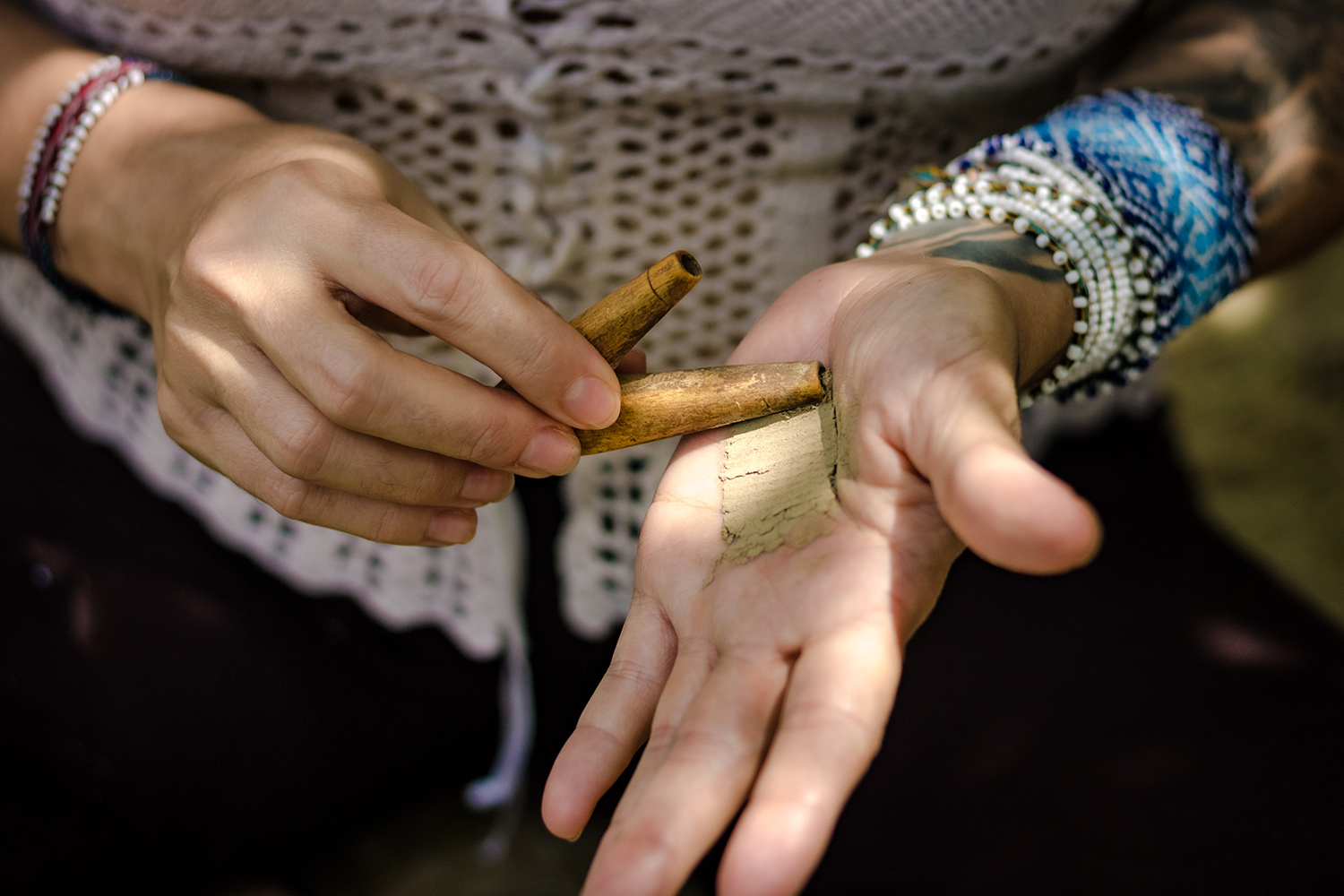
Rapé (pronounced "ha-peh") is a traditional snuff with deep roots in the indigenous cultures of the Amazon rainforest, particularly in countries such as Brazil, Peru, and Ecuador. This potent herbal blend is primarily made from finely ground Mapacho (Nicotiana tabacum), a type of tobacco, combined with finely ground herbs and ash. The beauty of rapé, however, lies in the various combinations with other herbs and plants, each of which has unique properties and effects.
The origins of rapé
The origins of rapé can be traced back to ancient indigenous tribes in the Amazon region. These tribes have been using this potent snuff for centuries, not only as a way to experience altered states of consciousness but also for its spiritual and medicinal qualities. Each tribe has its own unique recipe, often passed down from generation to generation, making rapé a culturally significant and cherished substance.
Tribes in Brazil, for example, use rapé in rituals and ceremonies to connect with their ancestors and the spirit world. It is a common practice during these rituals for shamans and tribal members to use rapé to achieve a meditative state, facilitating a deeper connection with spiritual entities. It is believed that this connection brings guidance, healing, and protection. Similarly, tribes in Ecuador and Peru use rapé for healing and purification purposes. They believe that the snuff can cleanse both the physical and spiritual bodies, remove negative energies, and promote overall well-being.
The ingredients of rapé
The creation of rapé involves a meticulous process of selecting and blending various plants, with Mapacho, a sacred tobacco, serving as the main ingredient. Mapacho is revered not only for its potency but also for its ability to facilitate communion with spiritual realms. The tobacco is often blended with a variety of other plants and ashes, each of which contributes unique properties to the final product. For example, some blends may contain herbs such as mint or cloves to enhance the aroma and effects of the snuff. The exact combination of ingredients can vary greatly between tribes and even individual shamans, making each batch of rapé a unique creation.
The Spiritual and Medicinal Benefits
Rapé is not merely a psychoactive substance; it is a powerful tool for spiritual exploration and healing among indigenous tribes in the Amazon. The snuff is often used in combination with other traditional practices, such as singing, drumming, and the use of other plant-based medicines like ayahuasca. The combination of these elements creates a holistic approach to healing that addresses the mind, body, and soul. One of the key benefits of rapé is its ability to induce a state of deep meditation and introspection. Users often report heightened awareness and clarity, making it easier to confront and resolve internal conflicts. Furthermore, the physical effects of rapé, such as increased alertness and improved respiratory function, further contribute to its overall benefits. The snuff is also believed to have purifying properties, which help clear the sinuses and remove toxins from the body.
What is a Kuripe?
A Kuripe is a traditional blowpipe used primarily by indigenous peoples of the Amazon rainforest, particularly in Brazil. It serves as a tool for administering rapé, allowing the user to apply the snuff directly into their nostrils. The Kuripe is usually made from natural materials, often using flexible woods such as bamboo, which is preferred for its lightness and durability.
So how is a kuripe used?
- Preparation: First, a small amount of rapé is placed in the bowl-shaped end of the kuripe. The amount can vary depending on the desired intensity of the experience.
- Positioning: The user then places the longer end of the Kuripe into one nostril, while the shorter end is placed in the mouth. The Kuripe is designed to create an airtight seal, ensuring the rapé is administered efficiently.
- Administration: The user then blows hard into the shorter end of the Kuripe, causing the rapé to enter their nostril. This process is repeated for the other nostril, ensuring both sides receive an equal amount of snuff.
The Meaning of the Kuripe
The Kuripe is more than just a tool; it is a symbol of the deep connection between the user and the spiritual realms. The act of administering rapé via the Kuripe is often accompanied by prayers or intentions, which further reinforces the spiritual significance of the practice. This ritual aspect of using a Kuripe emphasizes the importance of mindfulness and reverence when working with rapé.
Source: Talita Santana Campos / Shutterstock.com


