
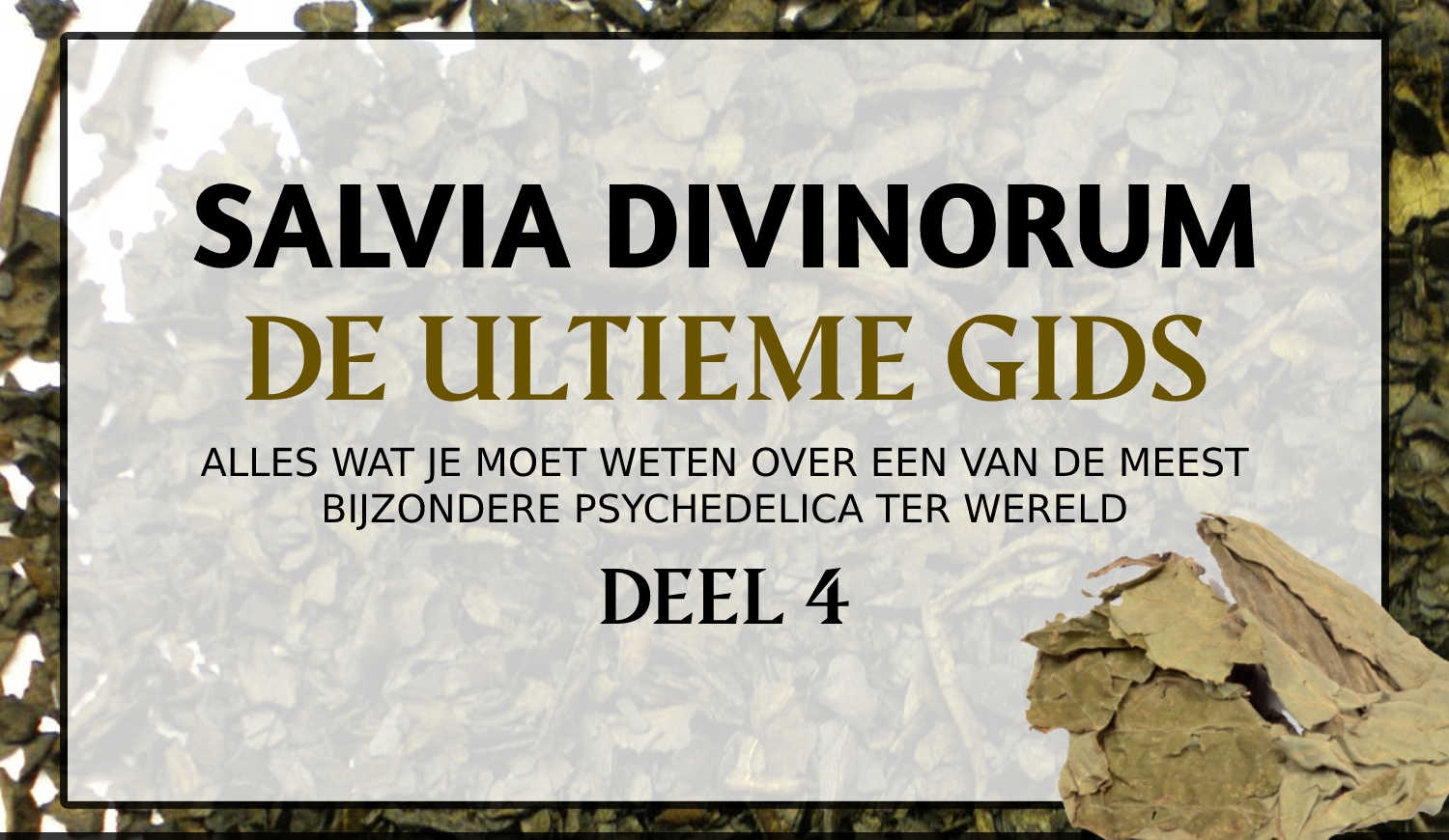
Welcome to the fourth installment of our Salvia Divinorum 101 guide from Dutch-Smart! In the previous parts, we discussed the origin, history, botanical aspects, and active ingredient of Salvia Divinorum. In this article, we’ll focus on the traditional use of Salvia Divinorum among indigenous cultures in Mexico. We’ll explore how the Mazatecs and other indigenous groups used the plant in their religious and healing practices, and why they sometimes preferred Salvia Divinorum over other psychedelic plants.
Overview of Articles
- Introduction to Salvia Divinorum: Origin, History, and Use
- The Botanical Aspects of Salvia Divinorum: Characteristics, Growth, and Care
- Salvinorin A: The Active Ingredient in Salvia Divinorum
- The Effects of Salvia Divinorum: An In-Depth Exploration of the Experience
- Salvia Divinorum and Modern Science: Research into Therapeutic and Pharmacological Potential
- Legal Status of Salvia Divinorum: A Global Overview
- Safe Use of Salvia Divinorum: Guidelines and Precautions
- Methods of consuming Salvia Divinorum: Leaves, Extracts, and Smoke-Free Options
- Salvia Divinorum Trip Reports: Personal Experiences and Insights
- Frequently Asked Questions About Salvia Divinorum: Answers to the Most Common Questions
Salvia Divinorum Among the Mazatecs
The Mazatecs are an indigenous people from the mountainous regions of Oaxaca, Mexico. They are known for their rich shamanic traditions and the use of entheogenic plants in religious and healing practices. Salvia Divinorum, which they call “Ska María Pastora” or “hojas de la Pastora” (shepherdess’s leaves), has been used by the Mazatecs for centuries.
Rituals and Ceremonies
The Mazatecs used Salvia Divinorum during special ceremonies and rituals to connect with the spiritual world and to gain insights and healing. During these ceremonies, the plant was usually consumed by chewing fresh leaves, after which the participants entered a meditative state to receive the plant’s visions and messages.
It is important to note that the use of Salvia Divinorum within Mazatec culture was always approached with respect and reverence. The plant was viewed as a sacred entity, and the ceremonies were often led by shamans or experienced practitioners who ensured a safe and supportive environment.
Why Salvia Divinorum?
Although the Mazatecs also used other hallucinogenic plants, such as psilocybin-containing magic mushrooms, they sometimes preferred Salvia Divinorum. One reason for this is that the plant was better able to withstand the changing conditions in their habitat. Salvia Divinorum could grow in shady, humid areas where magic mushrooms had a harder time thriving.
In addition, Salvia Divinorum offers a unique and powerful spiritual experience that differs from that of other entheogens. The intense but short-lived effects make it possible to gain deep insights and mystical experiences without a prolonged trip. These properties made Salvia Divinorum a valuable addition to the repertoire of the Mazatec shamans.
Salvia Divinorum in Other Indigenous Cultures
Although it is best known for its use by the Mazatecs, there is evidence that Salvia Divinorum was also used by other indigenous cultures in Mexico. For example, there are accounts of the plant’s use by the Chontal and the Zoque, who also live in the Oaxaca region. Like the Mazatecs, these cultures used Salvia Divinorum for spiritual and healing purposes, although the specific traditions and rituals may have differed.
Valuable Lessons from Traditional Use
Studying the traditional use of Salvia Divinorum among indigenous cultures offers valuable insights into how the plant can be approached in a safe and respectful manner. Some key lessons we can learn from these cultures include the importance of the right set and setting, respect for the plant as a sacred entity, and recognition of the powerful and potentially transformative effects of Salvia Divinorum.
Although the traditional use of Salvia Divinorum may seem far removed from the modern Western context, we can still learn a great deal from the wisdom and experience of these indigenous cultures. And who knows, maybe we can even discover a few new recipes for tasty Salvia Divinorum dishes. Hey, you never know!
In conclusion...
In this fourth part of our Salvia Divinorum 101 guide, we’ve explored the traditional use of Salvia Divinorum among indigenous cultures. We’ve discovered how the Mazatecs and other indigenous groups in Mexico used the plant in their religious and healing practices and why they sometimes preferred Salvia Divinorum over other psychedelic plants.
In the next parts of our Salvia Divinorum 101 guide, we will discuss other important aspects of Salvia Divinorum, such as safe use, methods of consumption, and its legal status in various countries. Stay tuned to further expand your knowledge of Salvia Divinorum and become a well-informed and responsible user.


