
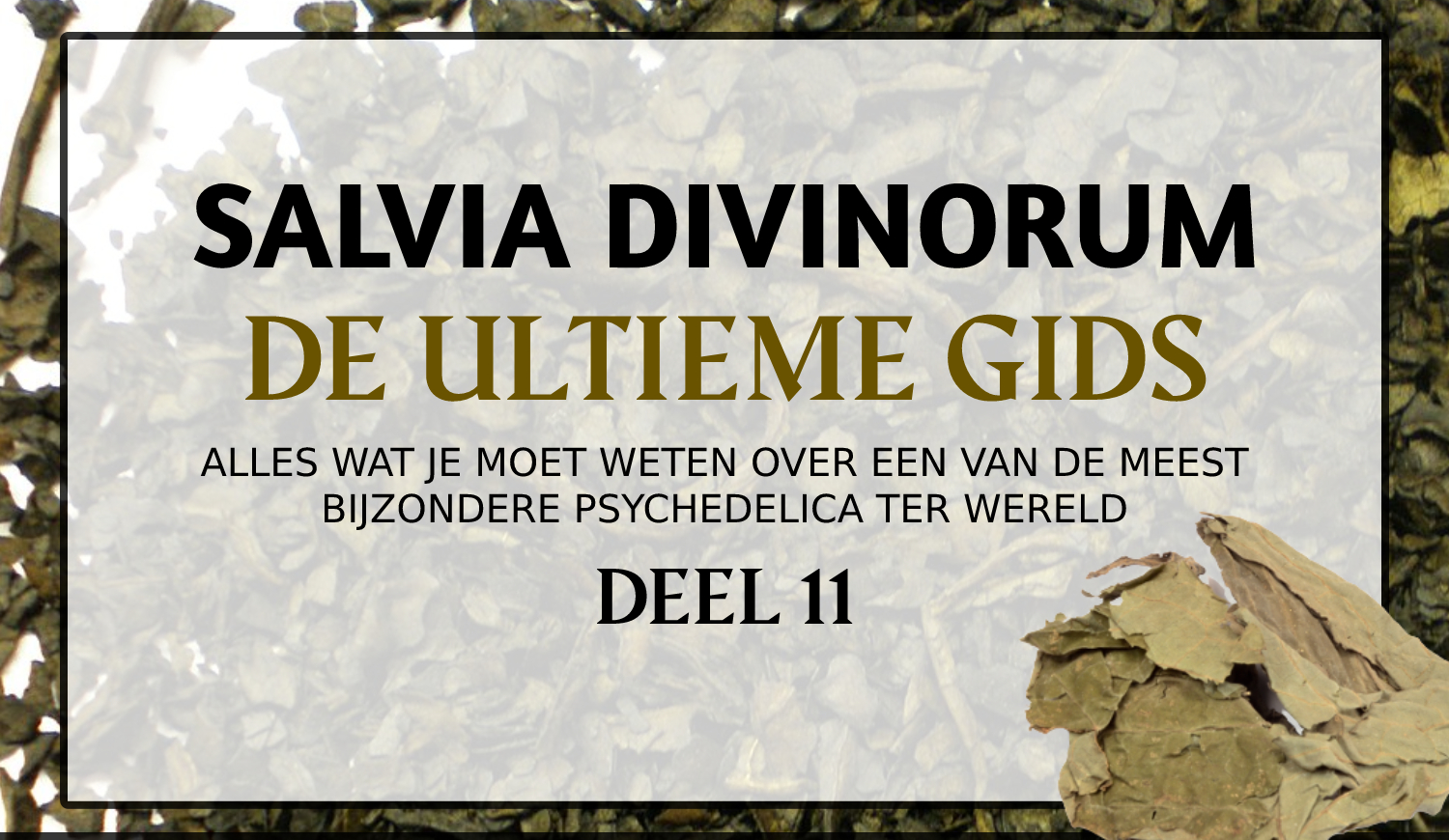
In this eleventh and final part of our Salvia Divinorum 101 guide, we’ll address some of the most frequently asked questions about Salvia Divinorum. We’ll take a closer look at dosage, effects, safety, and potential risks to give you a better understanding of this unique and powerful plant.
List of Articles
- Introduction to Salvia Divinorum: Origin, History, and Use
- The Botanical Aspects of Salvia Divinorum: Characteristics, Growth, and Care
- Salvinorin A: The Active Ingredient in Salvia Divinorum
- Traditional Use of Salvia Divinorum in Indigenous Cultures
- The Effects of Salvia Divinorum: An In-Depth Exploration of the Experience
- Salvia Divinorum and Modern Science: Research into Therapeutic and Pharmacological Potential
- Legal Status of Salvia Divinorum: A Global Overview
- Safe use of Salvia Divinorum: Guidelines and precautions
- Methods of consuming Salvia Divinorum: Leaves, Extracts, and Smoke-Free Options
- Salvia Divinorum Trip Reports: Personal Experiences and Insights
- Frequently Asked Questions About Salvia Divinorum: Answers to the Most Common Questions
What is Salvia Divinorum?
Salvia Divinorum is a psychoactive plant that occurs naturally in the Sierra Mazateca region of Mexico. It has been used for centuries by indigenous shamans for spiritual and healing purposes. Salvia Divinorum contains a potent active ingredient called Salvinorin A, which can cause intense, short-lived hallucinations and altered states of consciousness.
How do I use Salvia Divinorum safely?
To use Salvia Divinorum safely, it is important to be responsible and take the necessary precautions. Make sure you are in a safe, quiet, and familiar environment, preferably with a sober trip sitter who can support and guide you during your experience. Start with a low dose, especially if you’re new to Salvia, and gradually increase it as you become familiar with the effects. Avoid combining Salvia with other drugs or alcohol to minimize the risk of negative side effects.
What are the effects of Salvia Divinorum?
The effects of Salvia Divinorum vary greatly from person to person and may depend on the dosage, the method of administration, and individual sensitivity. Some common effects include intensely vivid hallucinations, altered perceptions of time and space, feelings of dissociation, loss of self, body distortion, and spiritual experiences. The effects of Salvia are usually short-lived, ranging from a few minutes to about half an hour.
Are there risks associated with using Salvia Divinorum?
Although Salvia Divinorum is generally considered safe when used responsibly, there are some risks you should be aware of. Some users may have a “bad trip” or unpleasant experience, which can lead to feelings of anxiety, panic, or paranoia. In addition, the powerful hallucinations and loss of motor control can pose a risk of injury or accidents if you are in an unsafe environment. It is also possible to have an allergic reaction to Salvia, although this is rare. Long-term and frequent use of Salvia Divinorum can lead to mental health issues, such as depersonalization, derealization, or anxiety disorders. It is important to use Salvia responsibly and be aware of the potential risks.
Is Salvia Divinorum addictive?
Salvia Divinorum is generally not considered addictive. There is little to no evidence suggesting that Salvia causes physical dependence or withdrawal symptoms. However, it is always possible that some people may develop a psychological dependence, where they regularly crave the experience or use it as a way to cope with problems. If you find yourself turning to Salvia more and more often or have trouble stopping, it is important to seek professional help.
What is the legal status of Salvia Divinorum?
The legal status of Salvia Divinorum varies greatly by country and region. In some countries, such as the Netherlands, Salvia Divinorum is legal and freely available. In other countries, such as the United States, the legal status varies by state, with some states prohibiting its possession and sale. Before you buy or use Salvia Divinorum, it is important to check the laws and regulations in your country or region.
How long does a Salvia Divinorum trip last?
The duration of a Salvia Divinorum trip depends on the method of administration and the dosage. When Salvia is smoked, effects usually occur within seconds to minutes and can last 5 to 30 minutes. With oral consumption, such as chewing leaves or taking a tincture, effects may last longer, sometimes up to 1 to 2 hours. Keep in mind that individual experiences may vary and that some people may have longer or shorter trips.
Can Salvia Divinorum be combined with other drugs?
Combining Salvia Divinorum with other drugs is generally not recommended, as this can increase the risk of negative side effects and unpredictable reactions. Some combinations, such as Salvia with alcohol or other intoxicants, can lead to dangerous behavior and an increased risk of injury or accidents. Before combining Salvia Divinorum with other drugs, it is important to be aware of the potential risks and to exercise caution with dosages and combinations.
How do I store Salvia Divinorum?
It is important to store Salvia Divinorum properly to preserve its potency and quality. Store Salvia Divinorum in a cool, dry, and dark place, such as an airtight container in a cabinet or drawer. Avoid exposure to direct sunlight, high temperatures, and moisture, as these factors can affect the quality of the plant and reduce the potency of the active ingredient, Salvinorin A.
How long does it take for Salvia Divinorum to leave my system?
Salvia Divinorum and its active ingredient, Salvinorin A, are usually broken down and excreted by the body quickly. The half-life of Salvinorin A is estimated to be approximately 1 to 2 hours, meaning it is usually gone from the body within 24 hours of use. However, this can vary depending on individual factors such as metabolism, weight, and frequency of use. Although Salvia Divinorum is not routinely tested for in standard drug tests, it is important to know that specialized tests may be able to detect Salvinorin A or its metabolites.
What is the best way to consume Salvia Divinorum?
There are several ways to consume Salvia Divinorum, depending on your personal preference and experience. Some popular methods include smoking dried leaves or extracts, chewing fresh or dried leaves, and taking oral tinctures. Each method has its own pros and cons, such as intensity, duration, and ease of use. It’s important to experiment with different methods to determine which one suits you best and to always start with a low dose to get used to the effects.
How do I grow Salvia Divinorum?
Growing Salvia Divinorum can be a challenging but rewarding experience. The plant requires specific growing conditions, such as high humidity, indirect sunlight, and well-draining soil. Salvia Divinorum is usually propagated by cuttings rather than seeds, as the seeds rarely germinate. To take a cutting, cut a healthy stem from a mature plant and place it in moist soil until roots begin to grow. Once the cutting is well-rooted, it can be transplanted into a suitable pot with well-draining soil. It is important to provide the proper care and attention to your Salvia Divinorum plant to ensure healthy growth and optimal leaf production.
In conclusion...
We hope this article has helped you gain a better understanding of the most frequently asked questions about Salvia Divinorum. We hope this comprehensive Salvia Divinorum 101 guide has helped you gain a better understanding of this fascinating plant and the most frequently asked questions about it. By exploring its history, traditional uses, scientific and therapeutic aspects, and methods of consumption, we have sought to provide an in-depth look into the world of Salvia Divinorum.
Remember that it is important to use Salvia Divinorum responsibly and safely, and to always start with a low dose to become familiar with the effects. We encourage you to conduct further research and expand your knowledge of this extraordinary plant.
Thank you for reading our Salvia Divinorum 101 series!


