


Last updated: March 25, 2026
Mimosa hostilis, also known as Mimosa tenuiflora or Jurema Preta, is one of the most commonly used ethnobotanical plants in the ayahuasca community. The root bark of the tree contains a high concentration of DMT, making it one of the most potent known plant-based sources of DMT. Below, you can read all about the botany, history, chemistry, and use of this plant.
Please note: the Mimosa Hostilis Root Bark sold by Dutch-Smart is intended as an ethnobotanical herb and is not offered for human consumption.
Botany and Distribution
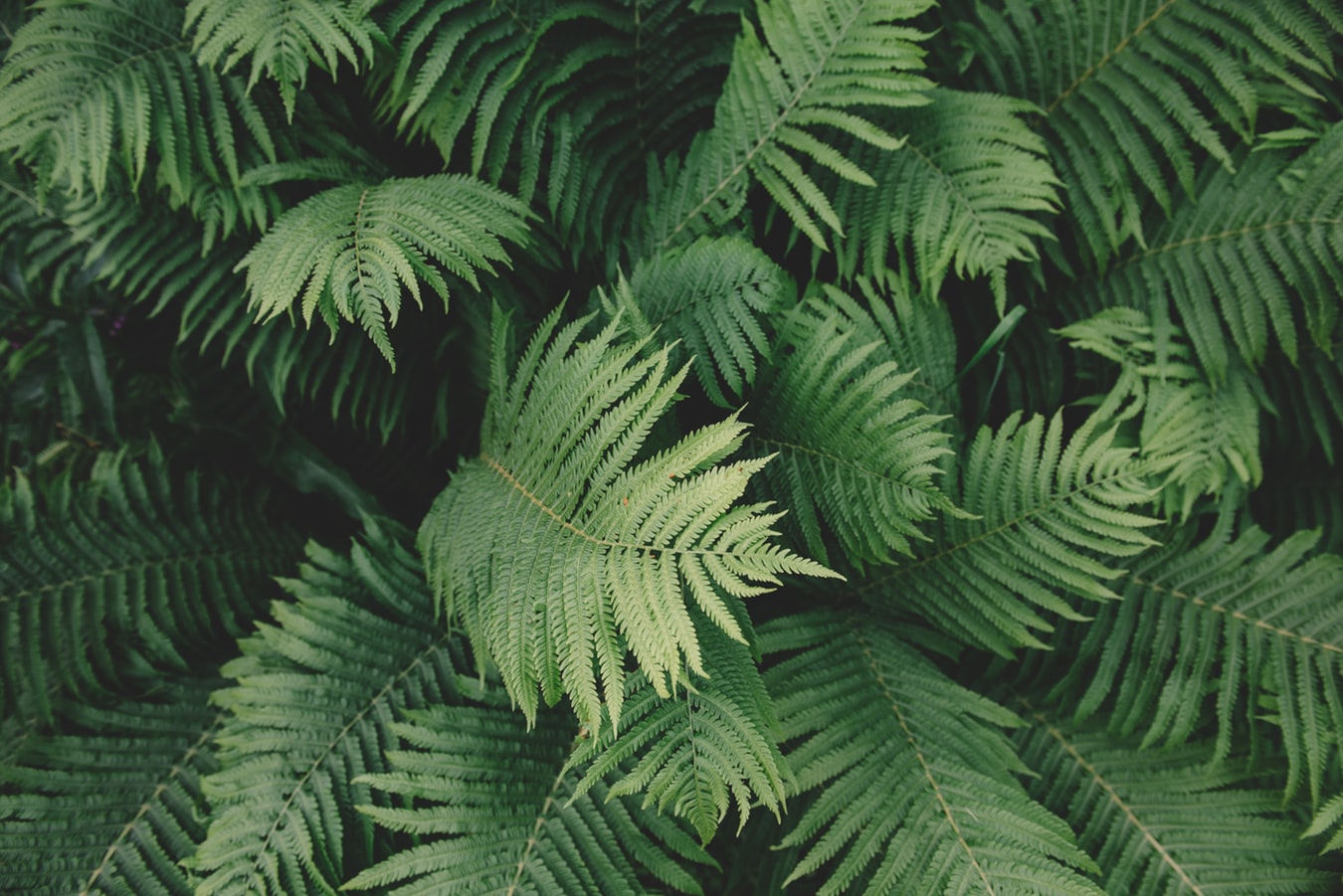
 Mimosa tenuiflora (synonym: Mimosa hostilis) is a dense shrub or small tree from the Fabaceae family. The plant occurs naturally in the dry tropical and subtropical lowlands of northeastern Brazil and Mexico, but can grow at elevations of over 1,000 meters above sea level. In Mexico, the species has been botanically described since 1810; the Brazilian variant was long considered a separate species but is identical.1
The tree has small, feather-shaped leaves and white flower spikes. The wood is exceptionally hard. In Mexico, the tree is called tepus-cuahuitl, literally “metal tree,” a reference to this hardness. The plant was already known in Aztec times and was used ritually and medicinally. The Mazatecs and other indigenous peoples in northeastern Brazil continue to use the plant to this day in the traditional Jurema ceremony.
Traditional use: Jurema and the skin
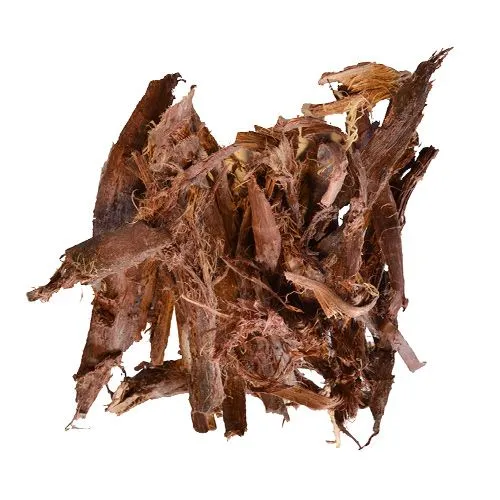
The most well-documented traditional use of Mimosa hostilis is the brewing of Jurema wine, a ritual beverage prepared by steeping 25 to 35 grams of root bark in hot water for two hours, filtering the extract, and re-extracting the residue in fresh water. The combined liquid was drunk during ceremonies.1 Users described visionary effects, but there is a pharmacological caveat: DMT is not orally active without an MAO inhibitor (see below). Whether the Jurema wine actually produced psychedelic effects without an MAO-inhibiting additive has not yet been definitively answered in the scientific literature. One possible explanation is yuremamine, a phyto-indole isolated in 2005 from the bark of M. tenuiflora, which is considered a new class of plant-derived indoles.3 Researchers suggest that yuremamine may have a mild MAO-inhibiting effect, which would explain the reported oral activity of Jurema without an added MAO inhibitor. However, the pharmacology of yuremamine has not yet been definitively clarified.
A second traditional use concerns the skin. Maya healers used bark powder for skin lesions, and following the explosion of a gas plant in Mexico in 1984, in which more than 3,000 people suffered burns, the Red Cross suggested the bark as an emergency alternative in the absence of conventional medication.1 Scientific evidence for dermatological efficacy is limited; a number of in vitro studies point to antimicrobial properties of tenuazun acid and other constituents, but clinical confirmation is lacking.
Chemical composition: DMT and other alkaloids
The root bark of Mimosa hostilis contains 1 to 1.7% DMT (N,N-dimethyltryptamine) on a dry weight basis, making it one of the richest plant sources of DMT.1 Initial chemical analyses initially referred to the active compound as “nigerina,” but further analysis confirmed that it was DMT. In addition to DMT, small amounts of NMT (N-methyltryptamine) and MMT (methoxy-methyltryptamine) have also been detected, as well as saponins, tannins, and lupeol.
More recent research from 2025 (Oliveira et al., published in ACS Omega) compared root bark and stem bark and found that the stem bark also contains significant concentrations of DMT, up to approximately 2% on a dry weight basis. In addition to alkaloids, tannins and flavonoids were also detected in the stem bark.4 A second study from the same year (published in Natural Product Research) used supercriticalCO2 extraction to isolate DMT from the bark, underscoring the interest in pharmaceutical applications of the substance.5
DMT acts as a partial agonist on5-HT2A serotonin receptors and sigma-1 receptors in the brain. Orally, DMT is inactive: the enzyme monoamine oxidase (MAO) in the intestinal wall breaks down the substance before absorption. Oral activity is only possible via inhalation, injection, or in combination with an MAO inhibitor. Notably, DMT also occurs endogenously: it is produced in small quantities in the human body. A 2025 review (Schimmelpfennig & Jankowiak-Siuda, Neuropharmacology) describes that recent measurements found DMT levels in the rat brain comparable to those of classical neurotransmitters, suggesting a possible physiological role that goes beyond the known psychoactive effects.6
Mimosa hostilis in ayahuasca
Shamans combine Mimosa hostilis root bark with MAO-inhibiting plants, particularly Banisteriopsis caapi, to prepare an effective oral brew. This mixture is called anahuasca: an ayahuasca analogue in which the traditional DMT source (Psychotria viridis) has been replaced by Mimosa hostilis. The basic formula of ayahuasca itself combines Banisteriopsis caapi with Psychotria viridis; as soon as one of the two ingredients is replaced, it is referred to as an analogue.
The β-carboline alkaloids in Banisteriopsis caapi—harmine, harmaline, and tetrahydroharmine—inhibit the MAO enzyme, thereby making the DMT from the Mimosa bark orally active. The combined effect results in an experience that is similar in character to traditional ayahuasca, but is described by users as somewhat sharper or visually more intense. However, this difference is anecdotal and has not been systematically studied.
Effects and Intensity
Experts and shamans describe the effects of anahuasca based on Mimosa hostilis as profound: a completely altered perception of reality, intense visual imagery, and deep emotional or spiritual experiences. Users report both mild and highly challenging experiences, depending on dose, set & setting, and individual sensitivity. The duration of an oral anahuasca session averages between 4 and 6 hours.1
Read more about the difference between the two brews in our blog post on ayahuasca versus anahuasca.
DMT in Scientific Research
Scientific interest in DMT has grown significantly in recent years, particularly in the fields of psychiatry and neurology. A 2025 Phase 2a clinical trial (Falchi-Carvalho et al., Neuropsychopharmacology) investigated inhaled DMT in patients with treatment-resistant depression. The treatment led to a significant reduction in depressive symptoms within 7 days, with a response rate of 85.7% and remission in 57.1% of participants. The effects lasted up to three months.7 A placebo-controlled study of intravenous DMT in healthy volunteers (Scientific Reports, 2024) also found improvements in depression scores 1 to 2 weeks after administration.8
Preclinical research published in Translational Psychiatry (2026) demonstrated that a single dose of DMT in mice with stress-induced depression corrected both anhedonia and cognitive deficits, and that this effect was associated with the restoration of neurogenesis in the hippocampus.9 DMT also stimulates the production of BDNF (brain-derived neurotrophic factor), a protein essential for the health and adaptability of nerve cells.
This research is conducted in a controlled clinical setting and does not apply to home use. The results are preliminary and require confirmation in larger, randomized studies.
Harm reduction and safety (18+)
MAO inhibitors make combining them with certain foods and medications dangerous. These are the key points to note:
- Diet: Avoid tyramine-rich foods when using MAO inhibitors: aged cheeses, fermented products, red wine, liver products. Tyramine accumulation can lead to a hypertensive crisis.
- Medications: Combining with SSRI antidepressants, tricyclic antidepressants, tramadol, dextromethorphan, or other serotonergic agents can result in serotonin syndrome, a potentially life-threatening condition.
- Psychiatric contraindications: Strongly discouraged in cases of a personal or family history of psychosis, schizophrenia, or bipolar disorder.
- Set and setting: Use only in a safe environment with a sober, experienced supervisor present.
- Age restriction: For individuals 18 years of age and older only.
For more detailed information on the safe use of ayahuasca and related brews, see the ayahuasca category page and the knowledge base.
Legality
Mimosa hostilis root bark is legal as a plant in the Netherlands. The plant is not listed under the Opium Act. DMT, the active ingredient in it, is listed on Schedule I of the Opium Act.2 The sale of the bark as an ethnobotanical herb is therefore legal; the extraction of DMT from the bark is not. Internationally, DMT falls under Schedule I of the Convention on Psychotropic Substances (1971), but the convention explicitly states that plants containing psychotropic substances, including the roots of Mimosa hostilis, are not subject to international control.
Frequently Asked Questions
What is the difference between Mimosa hostilis and Mimosa tenuiflora?
They are two names for the same species. Mimosa tenuiflora is the scientifically accepted name; Mimosa hostilis is a synonym that has remained in common use in the ethnobotanical trade. In the literature, both names are used interchangeably.
Which part of the plant contains the most DMT?
The root bark, particularly the inner root bark, contains the highest DMT concentrations, measured at 1 to 1.7% of dry weight. According to older measurements, the stem bark contains significantly less (approximately 0.03%), but more recent research from 2025 reported higher values of up to approximately 2% in stem bark extracts under laboratory conditions.4 The outer bark and above-ground plant parts contain the lowest concentrations.
Is Jurema wine active without an MAO inhibitor?
Probably not, or only minimally. When taken orally without an MAO inhibitor, DMT is almost completely broken down in the intestinal wall. Traditional Jurema preparations contain no known MAO inhibitor. In 2005, yuremamine was isolated from the stem bark, a new type of phyto-indole that has been suggested to have a mild MAO-inhibiting effect.3 However, this has never been pharmacologically confirmed, leaving the question scientifically unresolved.
What is the difference between anahuasca and ayahuasca?
Traditional ayahuasca combines Banisteriopsis caapi (MAO inhibitor) with Psychotria viridis (DMT source). Anahuasca is an analogue in which the DMT source has been replaced by Mimosa hostilis. The mechanism of action is identical; the experience profiles overlap but are described by users as not entirely identical. Read more in our blog about the difference between ayahuasca and anahuasca.
What is yuremamine?
Yuremamine is a phyto-indole that was first isolated in 2005 from the bark of Mimosa tenuiflora. It represents a new class of plant-derived indoles. Researchers suspect that yuremamine plays a role in the reported oral activity of Jurema wine without added MAO inhibitors, but the exact pharmacological mechanism has not yet been proven. Yuremamine is sensitive to heat and pH changes, meaning it remains intact only during cold extraction.
Is DMT also produced in the human body?
Yes. DMT is an endogenous substance produced in small quantities in the human body, including via the enzyme indolethylamine-N-methyltransferase (INMT). Recent research shows that DMT levels in the brains of rodents are higher than previously assumed, comparable to those of classical neurotransmitters.6 The exact biological function of endogenous DMT has not yet been clarified, but its role in neuroprotection, neuroplasticity, and the response to oxygen deprivation is being investigated.
Sources
Araújo, A.M. et al. (2015) - The Hallucinogenic World of Tryptamines: An Updated Review, Archives of Toxicology, NCBI
Wetten.overheid.nl - Opium Act, Schedule I and Schedule II (consolidated text)
Vepsäläinen, J.J. et al. (2005) - Isolation and Characterization of Yuremamine, a New Phytoindole, Planta Medica, 71: 1053-1057
Oliveira, L.C. et al. (2025) - Extraction and Characterization of N,N-Dimethyltryptamine from Mimosa tenuiflora: A Multivariate Approach, ACS Omega, 10(38): 44475-44488
Castillo-Olvera, G. et al. (2025) - Extraction of N,N-dimethyltryptamine from Mimosa tenuiflora using supercriticalCO2, Natural Product Research
Schimmelpfennig, J. & Jankowiak-Siuda, K. (2025) - Exploring DMT: Endogenous Role and Therapeutic Potential, Neuropharmacology, 268: 110314
Falchi-Carvalho, M. et al. (2025) - Rapid and Sustained Antidepressant Effects of Vaporized N,N-dimethyltryptamine, Neuropsychopharmacology, 50: 895-903
Erritzoe, D. et al. (2024) - Effects of DMT on Mental Health Outcomes in Healthy Volunteers, Scientific Reports
Translational Psychiatry (2026) - Single-dose DMT Reverses Anhedonia and Cognitive Deficits via Restoration of Neurogenesis
About the author

Editor
Derek writes for Dutch Smart about smart shop products, cultivation techniques, and harm reduction. He combines practical experience with factual, evidence-based information, without hype or vague promises.


