

There has been a lot of buzz around ayahuasca lately. In particular, questions about the safety of using this mystical substance have been reaching both us and the national media. And although the South American brew is becoming increasingly popular in the Netherlands, it seems there is still a great deal of uncertainty surrounding the safety and health risks of ayahuasca. In this article, we’ll explore this topic in more depth.
What is Ayahuasca?
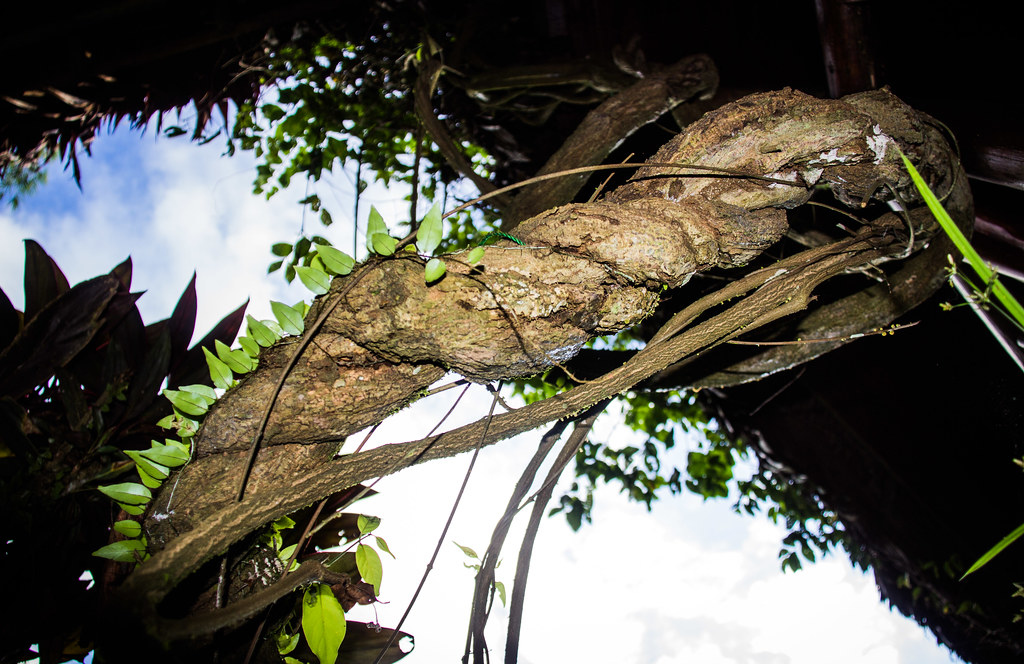
First things first: what exactly is this ayahuasca everyone’s talking about? If you’ve landed on this article, chances are you’re already somewhat interested in the substance and may have read some information about it. Ayahuasca is a DMT-containing brew that is consumed to induce psychedelic experiences. It originates from the South American Amazon region and is made using MAO-inhibitor-containing vines from the climbing plant Banisteriopsis Caapi, combined with DMT-containing leaves or bark, such as Mimosa Hostilis or Psychotria viridis (Chacruna). The MAO inhibitors in the vine ensure that the DMT is broken down less quickly by the body, which ultimately results in a long-lasting and intense trip. In our knowledge base, we delve deeper into information about ayahuasca.
There are several reasons why this ancient brew is so popular. Ayahuasca is seen by many as a perfect tool for emotional healing. It cleanses the mind and body and allows you to confront hidden emotions. Various medical studies have concluded that ayahuasca may help combat depression, trauma, anxiety, stress, and addiction. Other studies show that the brew can enhance people’s creative abilities and psychological flexibility, and that their overall appreciation for life increases significantly after using it.
Risks of Ayahuasca
With such a range of benefits, it’s no surprise that ayahuasca is increasingly sought after and used. But precisely because it is such a powerful medicine, it’s important that you, as an ayahuasca user, are aware of all possible risks.
- Negative feelings
The very first risk we’ll discuss is somewhat contradictory. While several studies have shown that ayahuasca actually helps with depression and negative feelings, in some cases it can actually intensify those negative feelings. Ayahuasca allows you to look deep into your soul. This is an experience for which you must be well prepared. The brew is therefore not a simple tea to be consumed on a random Sunday afternoon: it requires thorough preparation, a supportive environment, and mental stability to ensure the experience is successful. Ayahuasca opens the doors to your subconscious, including all negative experiences and potential traumas. It has a strong hallucinogenic effect, and these are doors you cannot simply close. People with severe psychiatric issues risk experiencing a psychotic episode when using it.
- Serotonin syndrome
According to Robert Gable, professor of psychology at Claremont Graduate University, the greatest risk of using ayahuasca is the so-called “serotonin syndrome.” This is a condition in which the concentration of serotonin in the brain is so high that its receptors become overloaded. The result is a series of symptoms such as heart palpitations, rapid breathing, sweating, and chills. Serotonin syndrome following ayahuasca use is rare, but it is almost always the result of combining it with other medications such as antidepressants or St. John’s wort. It is not recommended to use ayahuasca if you are taking any form of medication.
- Other Medications and Diet
As mentioned above, the combination of ayahuasca and certain medications can be life-threatening in some cases. In particular, medications for psychiatric conditions, such as antidepressants, antipsychotics, and anti-anxiety drugs, can pose serious health risks. In addition, consuming certain types of food in the days before and after using ayahuasca is not recommended. This includes alcohol, chocolate, drugs, overripe fruit, blue cheeses, and food that is past its expiration date. Many people choose to switch exclusively to natural products to keep the ayahuasca experience as “clean” as possible and to prevent extreme nausea and headaches.
Minimizing the Risks of Ayahuasca
If you choose to use ayahuasca, it’s important to have a few things in order. The tips below will help you minimize the risks associated with ayahuasca use:
- Thoroughly research the effects and risks of the substance
- Prepare yourself mentally for the journey—consider why you want to undergo the trip and in what areas you want to gain more insight. What answers are you looking for?
- Avoid coffee, alcohol, cigarettes, drugs, red meat, or food past its expiration date in the days before and after taking ayahuasca
- Do not plan any activities after the session—ayahuasca alters your perception, and it is advisable to take it easy for a few days
- Give yourself the time and space to reflect on the experiences of the trip
- Do not use this substance if you have psychiatric conditions


