


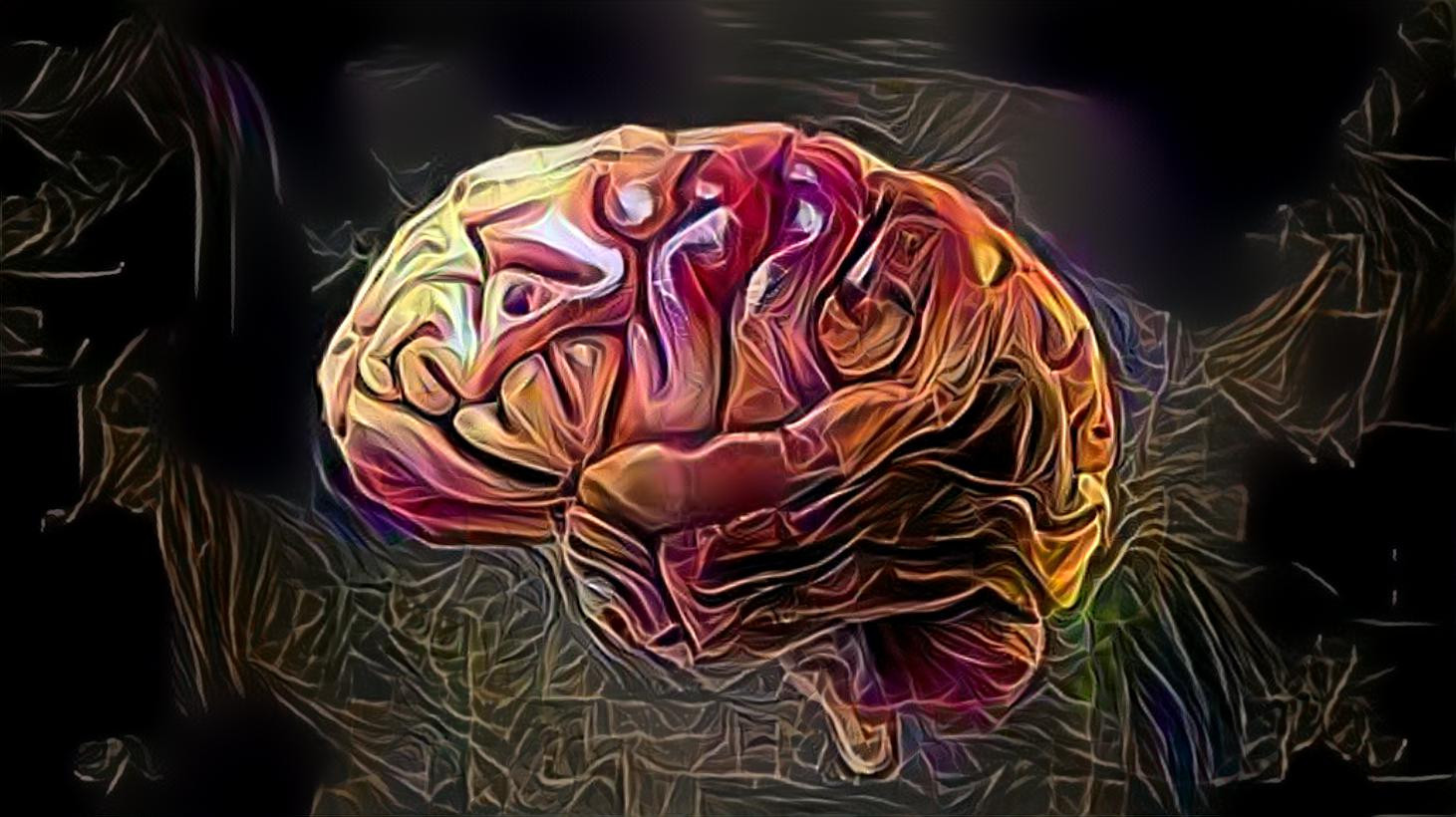
One of the most extraordinary hallucinogens we regularly discuss on Dutch-Smart is Ayahuasca. This Amazonian brew has been used by indigenous tribes for centuries and contains the powerful psychedelic compound dimethyltryptamine, better known simply as DMT. Studies show that this psychedelic brew can cause lasting changes in the brain.
Read also: Can (and should) you drive after using CBD?
Long-term effects
The study was published in the Journal of Psychopharmacology and suggests that ayahuasca can have long-term effects on the human body by altering the functional connectivity of the brain’s salience and default mode networks. Uh… what?! Don’t worry, we’ll explain it all below!
First things first: what is Ayahuasca? Ayahuasca is usually prepared using leaves from the Psychotria viridis shrub and the bark of the Banisteriopsis caapi vine. The former contains DMT, while the latter contains monoamine oxidase inhibitors that allow the DMT to do its work in the body. Together, the two make a very powerful psychedelic brew.
“As a clinical neuroscientist, I’m interested in approaches that can improve the lives of patients with neuropsychiatric disorders,” says study author Lorenzo Pasquini, a postdoctoral researcher at the Memory and Aging Center at the University of California, San Francisco. Pasquini is one of the few people responsible for this new neuroimaging study.
Read also: New study links personality to specific psychedelic trips
The potential of ayahuasca
“Psychedelic substances have been almost completely banned from academic research over the past 70 years. The resurgence of psychedelic research in recent years offers an exciting opportunity to study the clinical potential of psychedelic therapy sessions for mood disorders that affect millions of people worldwide,” he told PsyPost.
“As a computational neuroscientist, I am particularly interested in the role that specific neural circuits play in socio-emotional behavior. Psychedelic substances and the associated altered state of consciousness induced by their serotonergic effects offer us a new way to study how these neural systems underpin human emotions and social behavior.”
So what exactly did they do to arrive at their results? Well, the researchers used functional magnetic resonance imaging to analyze the brain structure of 50 healthy participants one day before and one day after they received a single low dose of ayahuasca or a placebo substance. None of the participants had ever experienced ayahuasca or DMT prior to this study.
“Although most studies to date have examined the neural correlates of altered states of consciousness during the acute phase of a psychedelic session, our research focuses on the subacute effects by assessing changes in functional brain organization one day after the session,” explains Pasquini.
Read also: 7 of the best Joe Rogan episodes on psychedelics
Conceptual framework
He discovered that ayahuasca “might have a long-lasting effect on the functional organization of brain networks that support higher-order cognitive and affective functions (...) We found that ayahuasca had an impact on two key brain networks involved in interoceptive (processing of bodily sensations, such as from the gut and other internal organs), affective, and motivational functions, while primary sensory networks (visual, sensorimotor) were not affected one day after the session,” he continued.
“Consequently, functional changes in these networks were related to altered levels of affect, interoception, and motivation assessed during the acute session, establishing a link between long-lasting brain changes and altered states of consciousness induced by ayahuasca. Importantly, these findings may provide a conceptual framework for further exploring the therapeutic potential of psychedelic substances in mood and affective disorders.”
Read also: Is the United Kingdom becoming the psychedelic capital?
Don’t try this at home
If all of the above has motivated you to replicate these effects at home, the study’s authors have one piece of advice: don’t. "The field is just beginning to understand the impact that psychedelic substances and the associated altered state of consciousness have on brain function and outcomes, not only during the acute session but also in the long term," said Pasquini.
“Importantly, the pharmacological properties of these substances cannot be viewed in isolation from the environment in which the experience takes place. In other words, proper dosing, proper guidance, and a safe environment are all factors that critically influence the therapeutic potential of entheogens.”


