


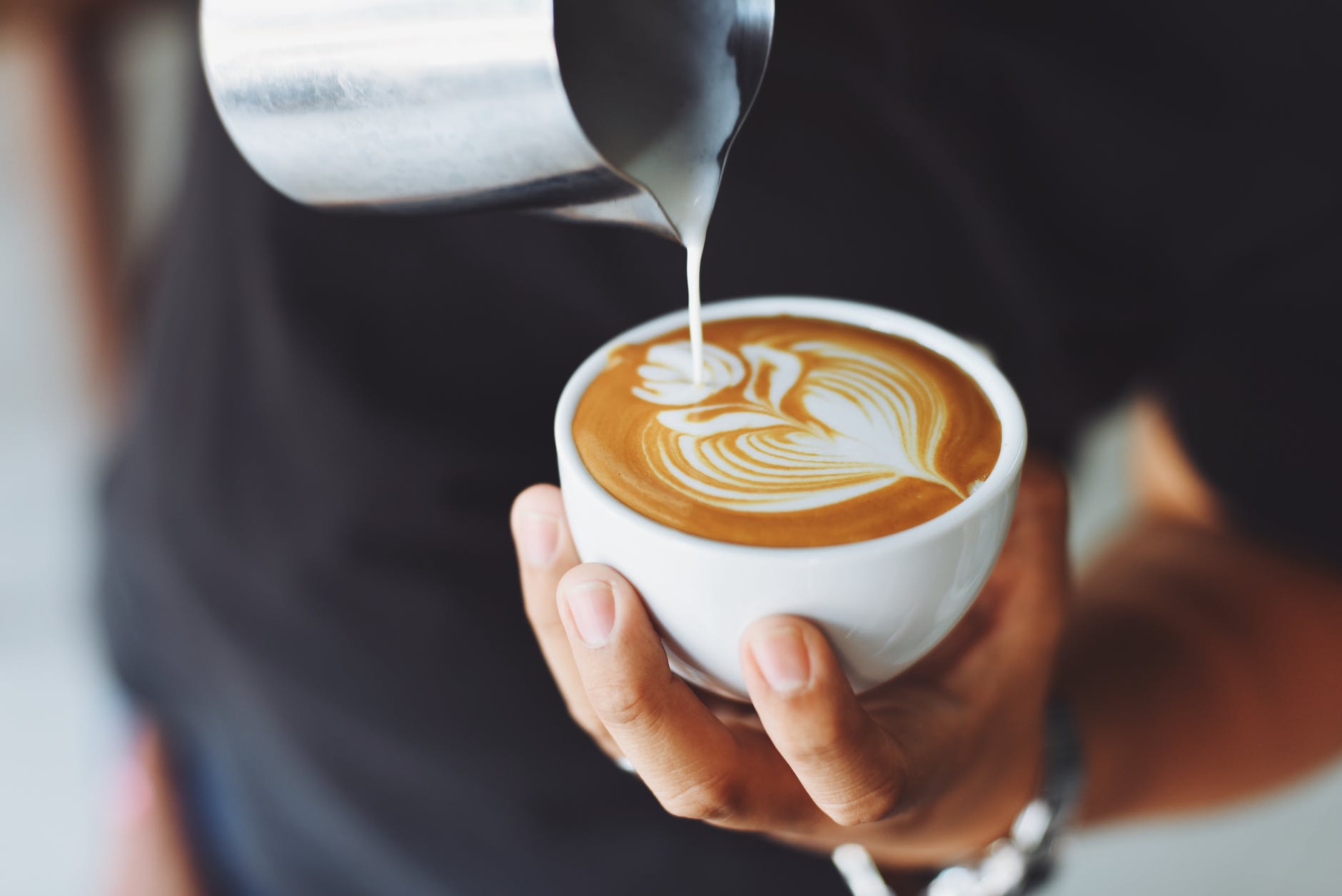
A cup of coffee first thing in the morning, another one an hour later, and maybe a few more after that. For thousands of people in the Netherlands, drinking coffee has become a daily habit. Because you really can’t get through the day without a hot cup of coffee, right? It’s the caffeine in that cup of coffee that many people simply rely on. It gives you energy, keeps you alert, and even boosts fat burning. But how is it that caffeinated products give you such an energy boost?
More than just coffee
Although caffeine is most commonly associated with coffee, there are other plants that contain caffeine. How about green tea, guarana, or yerba maté, for example? The latter South American plant is used to make numerous energy drinks that sell particularly well in countries like Brazil, Argentina, and Paraguay. In fact, yerba mate is consumed up to five times as much as coffee in these countries! In other words, regardless of how it’s consumed, caffeine is likely one of the most widely consumed substances worldwide. If you’d rather not drink coffee or tea, you can now simply buy a caffeine supplement in the form of caffeine powder or caffeine tablets.
Caffeine itself, incidentally, wasn’t discovered until 1821, but caffeine-containing foods have been known for many years and have been cultivated for centuries, perhaps even thousands of years. Historical records indicate that coffee cultivation began in Ethiopia. According to legend, Ethiopians fell in love with coffee after noticing that grazing animals were more energetic after chewing on certain shrubs that we now know as coffee. Sounds a bit like how Horny Goat Weed was discovered, doesn’t it?
Numerous positive effects
Today, these effects of caffeine are widely recognized, and various studies broadly describe its beneficial effects. These include an increase in metabolism, enhanced fat oxidation, and a perception of increased physical and mental energy, even though it is acknowledged that too much caffeine can lead to nervousness and insomnia. Caffeine has so many metabolic effects that it was difficult to determine exactly which ones are responsible for the increase in physical and mental energy.
It is now known that caffeine enhances the effects of certain neurotransmitters, such as serotonin, dopamine, and acetylcholine. Dopamine, for example, is known to influence concentration levels (so it’s no surprise that the popular “study pill” also contains caffeine). Caffeine blocks certain receptors in the brain that, when unimpeded, signal to the brain that it’s time to go to bed. The result is that you can stay up later in the evening. That’s great if you still have some work to do, but less so if you want to get to bed early. Caffeine also increases the release of catecholamines (such as adrenaline) via the sympathetic nervous system, causing your heart to beat faster and allowing more blood to flow to your muscles.
Strength athletes and sports enthusiasts
For example, a 2012 study in the *Journal of Strength Conditioning* showed that consuming caffeine before a workout improves performance. In the study, 13 men drank an energy drink containing caffeine or consumed a placebo. An hour later, they performed exercises such as bench presses, deadlifts, rows, and squats. Those who drank caffeine before the workout were able to exercise longer and lift more weight.
Of course, that’s not all, because caffeinated beverages are also hugely beneficial for people looking to lose fat. A study in the *American Journal of Clinical Nutrition* found that the metabolism of both people of normal weight and obese individuals had increased significantly for up to three hours after consuming caffeine. In short: a cup of coffee or other caffeinated product is, in and of itself, a great fat burner (but you’ll have to skip the milk…). For that very reason, it’s no wonder that many fat burners and supplements contain caffeine. Take, for example, the popular Triple X Energizer or the Party-E Energizer.
How much caffeine for an energy boost?
A cup of green tea contains 25 mg of caffeine, a cup of black tea contains 42 mg, and a cup of brewed coffee contains 108 mg. In short: of these three drinks, coffee gives you the biggest energy boost. So if you’re looking for a real pick-me-up, coffee has the greatest effects and is undoubtedly the strongest. However, if you opt for an easy-to-take caffeine tablet, it often contains about 250 mg, which is equivalent to roughly 2.5 cups of coffee.


