


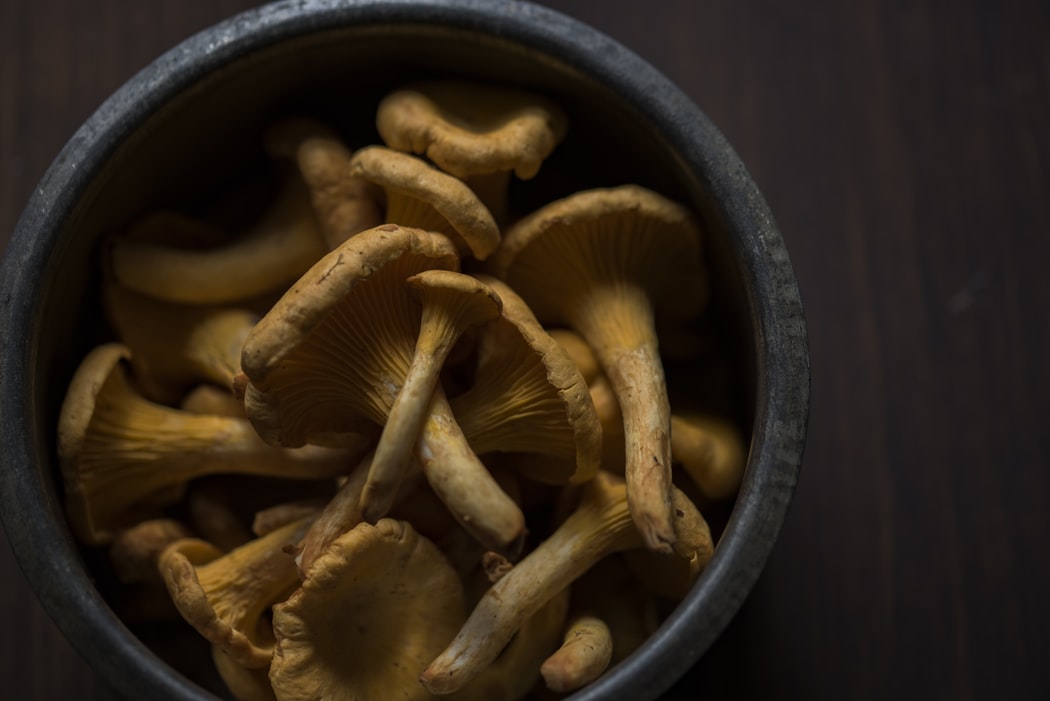
Have all the interesting articles about magic mushrooms, truffles, and psilocybin sparked your interest in growing your own magic mushrooms? Or do you just need a quick refresher? Whatever your reason for visiting, you’ve definitely come to the right place for information on growing magic mushrooms! Just be prepared: growing magic mushrooms takes quite a bit of time and patience.
Growing magic mushrooms with a grow kit
For many growers, growing is a fun and relatively inexpensive hobby. If you’re new to growing mushrooms, you might want to consider buying a grow kit. These kits contain everything you need to successfully grow your magic mushrooms. A grow kit usually includes a grow tray, spores, a spore syringe, a grow bag with an air filter, an alcohol wipe, and, of course, a manual that guides you step-by-step through the process. You can also find various magic mushroom guides on our website.
Growing magic mushrooms without a grow kit
Would you rather build your own grow kit instead of buying a ready-made one in our store? You’ve come to the right place. To start with, there are quite a few supplies you’ll need to successfully grow your magic mushrooms. You can read about those supplies below. You’ll find most of these products here. It’s good to know that growing magic mushrooms isn’t always easy. Even experienced growers can spend months at it without achieving ideal results. You can find a fantastic, comprehensive guide to growing magic mushrooms here. Want a quick reminder? Then the step-by-step plan below is all you need.
- A spore syringe (e.g., Psilocybe Cubensis)
- Sterilized substrate pots (see below)
- A grow room/box
- Timer
- Rubber or latex gloves
- Rubbing alcohol (for sterilization)
- Heating mat
- Thermometer
- Drying kit
Quick guide
Step 1: Poke 4 small holes in the lid of the substrate pot(s), evenly spaced around its circumference. Use a sterilized nail and a hammer to punch the holes in the lid while the lid is resting on a DIFFERENT pot.
Step 2: Sterilize the syringe and proceed to inject the spores into the sterilized substrate pot(s) by dividing the liquid into four parts (1 for each hole in the lid).
Step 3: Let the pot(s) sit for 3–4 weeks. The substrate should have turned completely white by the end.
Step 4: Remove the lid from the jar(s). While wearing gloves, turn the substrate in your hand and place it in the grow room. From now on, the actual growth phase will begin.
Step 4: Wait until the mushrooms grow to four times their original size and harvest them. The first mushrooms usually appear after about 14 days.
Step 6: Place the freshly picked mushrooms in a magic mushroom drying kit and dry them for 36 hours.
Your magic mushrooms are now completely ready to eat! Enjoy them and have a great trip!
How do you make your own substrate pots?
It’s perfectly possible to make your own substrate pots. For each pot, combine two-thirds of a cup of vermiculite and one-quarter of a cup of water in a mixing bowl. Drain the excess water using a disinfected sieve. Then add a quarter cup of brown rice flour to the mixing bowl and combine with the moist vermiculite.
Continue filling sterilized (glass) pots, but be careful not to pack them too tightly. Fill the pots to about half an inch from the rims. Then sterilize the top 5 centimeters with rubbing alcohol. Fill the jars with a layer of dry vermiculite to insulate the substrate.
Growing conditions
- Light
When growing magic mushrooms, you can use natural sunlight or artificial light (fluorescent lamps or grow lights). If you use natural light, rotate the room regularly, because if too much light hits one spot, you’ll see growth concentrated there, putting your stash at risk. With artificial light, use a timer to simulate alternating day and night cycles (12 hours on, 12 hours off).
- Temperature
The temperature must remain between 24–30 °C. Place a thermometer in the grow room to regulate the temperature. Use a heating mat to raise the temperature if necessary.
- Humidity
Humidity must remain high (95%). To do this, occasionally mist the grow room with water. Place a hygrometer in the grow room to monitor humidity.


