


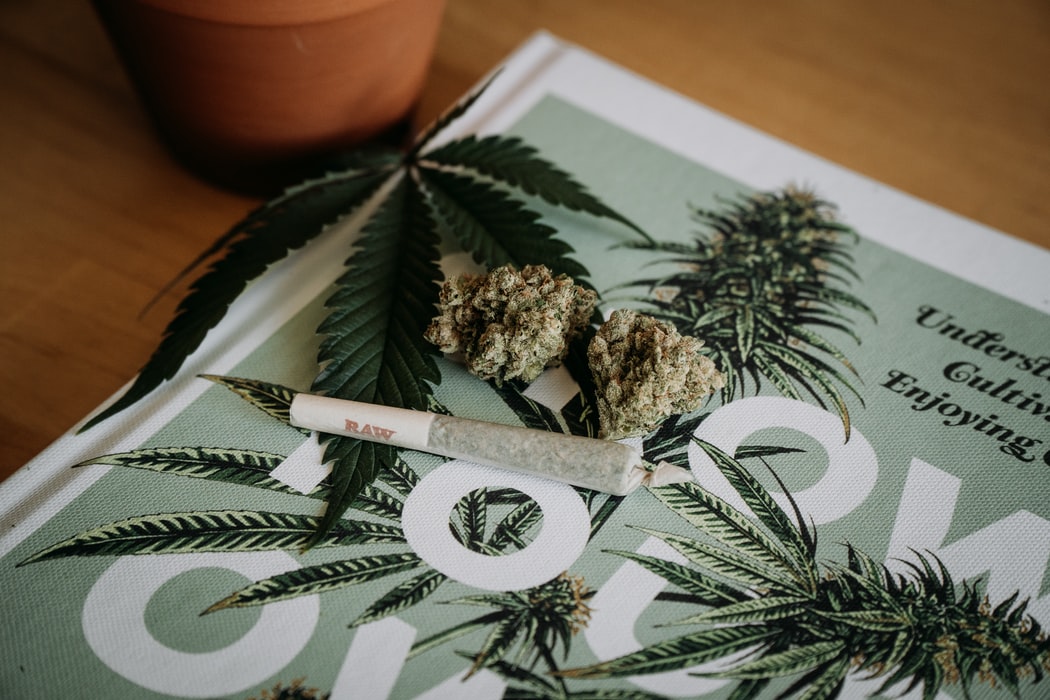
New research shows that cannabis has become significantly stronger worldwide over the past 50 years. The team at the University of Bath behind the study synthesized data from more than 80,000 cannabis samples tested over the past 50 years, drawn from street samples collected in the U.S., the United Kingdom, France, Denmark, Italy, New Zealand, and yes—the Netherlands.
Read also: Benefits of microdosing outweigh the downsides, say researchers
14% increase
The researchers examined how THC concentrations (the psychoactive component of cannabis that gives users a “high”) had changed over time in different types of cannabis. In herbal cannabis, they found that THC concentrations increased by about 14% between 1970 and 2017. This was primarily due to an increasing market share of stronger varieties such as sinsemilla compared to traditional herb cannabis, which contains seeds and less THC.
The researchers found that THC increases were particularly high for cannabis resin (hashish), with THC concentrations rising by 24% between 1975 and 2017. Cannabis resin is extracted from herbal cannabis and, according to the findings, is now generally stronger than herbal cannabis. They also looked at concentrations of cannabidiol, or CBD, which is non-intoxicating but may have medical applications, such as helping people quit cannabis. Unlike THC, they found no evidence of changes in CBD levels in cannabis over time.
Read also: 5 Amazing Benefits of Sleep and Dream Herbs
Hashish Getting Stronger
"Cannabis resin—or hashish—is often seen as a safer form of cannabis, but our findings show that it is now stronger than herbal cannabis. Traditionally, cannabis resin contains much lower amounts of THC with equal amounts of CBD, but CBD concentrations have remained stable, while THC has risen significantly, meaning it is now much more potent than it was many years ago,” said co-author Sam Craft.
The researchers argue that an increase in cannabis potency underscores the need to implement broader harm-reduction strategies similar to those for alcohol, such as standard units and public guidelines for safer consumption limits. “As the potency of cannabis has increased, consumers are faced with limited information to help them monitor their intake and guide decisions about relative benefits and risks. The introduction of a standard unit system for cannabis—similar to standard alcohol units—could help people limit their consumption and use it more safely,” said Freeman.
Read also: First U.S. state opts to legalize magic mushrooms and ayahuasca
With great power....
But it’s not all good news. The team had previously found evidence that frequent use of cannabis with a higher THC content carries an increased risk of problems such as addiction and psychotic disorders. In other words: this is all great news if you enjoy a nice, potent high, but it’s not all sunshine and roses.
“As the potency of cannabis has increased, so has the number of people seeking treatment for cannabis-related problems. More Europeans are now seeking treatment for cannabis than for heroin or cocaine,” said lead author Tom Freeman, director of the Addiction and Mental Health Group at the University of Bath.
In short: enjoy your cannabis, but do so safely!


