



If you’re looking online for a vaporizer to vape your dry herbs—such as our potent vape herb blends or, of course, cannabis—it can be quite overwhelming to see the vast number of vaporizers available. Here at Dutch-Smart, for example, you’ll find over 100 different vaporizers, but which one is best for vaping your herbs?
Convection vs. Conduction
Two terms you’ll often come across when comparing vaporizers are “convection” and “conduction.” Basically, these are just the ways the herb is heated inside the vaporizer, but at the same time, they’re also among the most important factors to consider. There’s actually quite a difference between the two. Are you thinking about whether to buy a vape designed solely for dry herbs or one that can handle herbs, wax, and oil? If so, the technology behind the vaporizer’s “chamber” is exactly what you need to consider carefully. Below, we’ll delve a bit deeper into the differences between the two, so keep reading!
Conduction vaporizers
What is a conduction vaporizer?
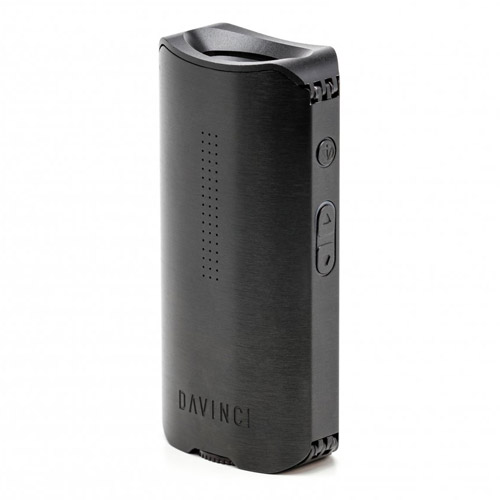 Let’s start with a conduction vaporizer. This type of vaporizer heats your material through physical contact. Although the herbs don’t touch the oven’s heating element directly—that would cause burning—they do touch a metal or ceramic oven chamber located near the heating element. The chamber gets hot, and the herbs that touch it are heated in this way. The herb particles touch each other, allowing the heat to be transferred further. Eventually, the heat radiates all the way to the center of the chamber. Advantages of conduction vaporizers are that they are often more affordable and somewhat smaller in size.
Why choose a conduction vaporizer?
One of the biggest advantages of conduction vaporizers is that conduction ovens are generally incredibly powerful and produce vapor within seconds. Several conduction vaporizers are known for being able to produce thick clouds of vapor in less than 20 seconds. The speed of conduction vaporizers makes them a popular choice among, for example, medical users or anyone who microdoses. Sessions can be very quick. Another major advantage of conduction vaporizers is that they are often cheaper to purchase than convection vaporizers. This is because the technology is older than convection and requires fewer parts. Conduction vaporizers are also generally more reliable and easier to maintain compared to a convection vaporizer in the same price range.
The disadvantages of a conduction vaporizer
The rapid heating of the herbs inside the vaporizer sounds great, of course, but this method of heating also has some drawbacks. At very high temperatures, for example, the herbs closest to the heating element may burn. Instead of vapor, this results in smoke—something you definitely don’t want in your vaporizer. Conduction vaporizers can also be fairly inefficient. The herbs closest to the heating element can cook faster than those in the middle. This doesn’t always benefit the flavor.
Convection vaporizers
What is a convection vaporizer?
.png) Whereas a conduction vaporizer transfers heat through physical contact, a convection vaporizer uses the surrounding air to transfer heat from the heating element to the herbs. For example, a convection vaporizer might have a fan that blows hot air through the herbs, or it might have a ventilation system that draws air through the herbs as you inhale. Because the air penetrates the chamber all the way to the center, the entire contents of the chamber reach the desired temperature almost simultaneously. Advantages of a convection vaporizer include the fact that this method of heating is much more efficient than conduction, and that the vapor produced is often of higher quality and tastes better.
Whereas a conduction vaporizer transfers heat through physical contact, a convection vaporizer uses the surrounding air to transfer heat from the heating element to the herbs. For example, a convection vaporizer might have a fan that blows hot air through the herbs, or it might have a ventilation system that draws air through the herbs as you inhale. Because the air penetrates the chamber all the way to the center, the entire contents of the chamber reach the desired temperature almost simultaneously. Advantages of a convection vaporizer include the fact that this method of heating is much more efficient than conduction, and that the vapor produced is often of higher quality and tastes better.
Why choose a convection vaporizer?
Now that we know the differences between how these types of vaporizers heat the herb, it becomes a bit clearer why convection vaporizers are generally considered the “better” of the two. Convection vaporizers are a favorite among many because there is minimal risk of burning the material. This is because none of your herbs come into contact with the heating element. Convection vaporizers are also ideal for longer vape sessions because they heat the entire contents of your chamber evenly. This helps your herbs last longer. In general, convection vaporizers also taste better. This is due to the more stable temperatures in your chamber. Conductive vaporizers typically taste hotter and drier compared to a convection vaporizer in the same price range.
The disadvantages of a convection vaporizer
Although a convection vaporizer is generally considered the higher-quality option, this type also has some drawbacks. To use a convection vaporizer, you actually need a bit more patience. Even the best convection vaporizers (such as the Mighty) can take more than a minute to reach the desired vapor temperature. Convection vaporizers are also generally more expensive, which is due to the fact that the technology is more advanced and contains more parts. The third disadvantage has to do with the “learning curve” of a convection vaporizer. New users of this type of vape often need to use it for a bit longer before they get the hang of it. A common mistake is that users inhale too hard. If you do this, you pull all the hot air out of the chamber and replace it with cool air, which prevents your herbs from heating properly.
Conclusion: Which type is better?
Are you looking to buy a new vaporizer and not sure which one to choose? We hope the information above has helped point you in the right direction. In short: The popular consensus among vapers is that convection vaporizers have the superior heating method, but this comes at the expense of size, price, and the speed at which you can use it. Conversely, a convection vaporizer would be the better option for someone who prioritizes great flavors and high efficiency and has the time to sit back and really enjoy a session. Check out our portable vaporizers here. Have fun!


