


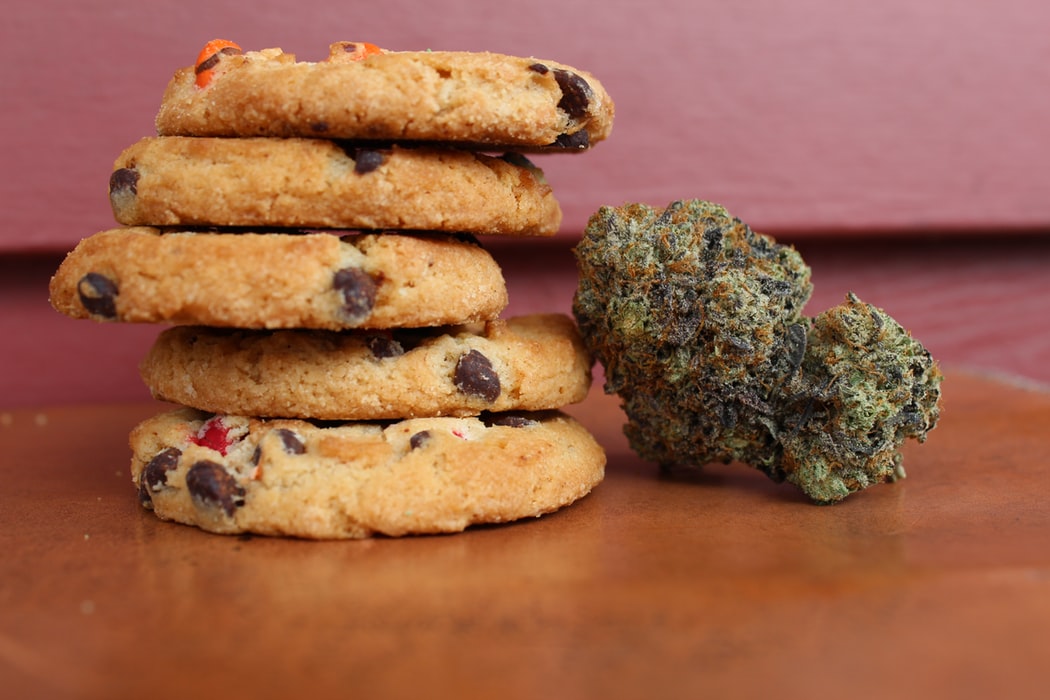
What a panic there was last week when it was announced that all coffee shops would be closing their doors. Fortunately, the measure was quickly (partially) reversed, meaning that buying a tasty joint or a few grams of cannabis remains an option even during the coronavirus crisis. But knowing that COVID-19, as the virus is actually called, primarily affects the lungs, is smoking a joint really such a good idea right now? “No,” say the experts. But don’t panic: there is an alternative.
Read also: Could cannabis help with Alzheimer’s in the future?
‘Smoking is a no-go right now’
 Cannabis-loving Netherlands knows that Leafly is one of the biggest sources of information on marijuana. Specifically because of the coronavirus, they enlisted the help of several specialists in the scientific and medical community to find out exactly what the deal is with cannabis use during these bizarre times. They spoke with Dr. Steffanie Strathdee, an infectious disease epidemiologist who primarily works with people with substance use disorders. And while she doesn’t claim to be an expert in cannabis or pulmonary medicine, she currently believes that smoking is not advisable.
“Right now, we’re facing a pandemic where SARS-CoV-2 attacks lung cells, primarily in the lower respiratory tract. In my opinion, ‘better safe than sorry’ applies right now, so I would advise anyone who uses marijuana to switch to edibles, especially if you have underlying health conditions such as respiratory problems (asthma, COPD), heart problems (hypertension, diabetes), or immune deficiencies,” she told the online magazine.
Read also: Dabbing cannabis—what exactly is that?
This advice is primarily based on the fact that smoking shuts down the cilia in the lungs, making it harder for the lungs to clear themselves of debris, mucus, and other irritants. “Younger people may develop milder illnesses, but I think it makes sense that you still increase the risk of a serious complication, [such as] a secondary bacterial infection, if you become infected with SARS-CoV-2 and have already burned all your cilia,” the doctor continues.
“Lungs with fewer cilia will be less capable of moving viral particles, bacteria, and mucus upward and out of the lungs. It’s clear to see why this function is especially important at a time when a severe respiratory virus is circulating,” the source said. In short: the lungs of non-smokers are much better equipped to fight the virus, to the extent that this is even possible.
Read also: This man tried 157 types of drugs for a unique ‘drug bible’
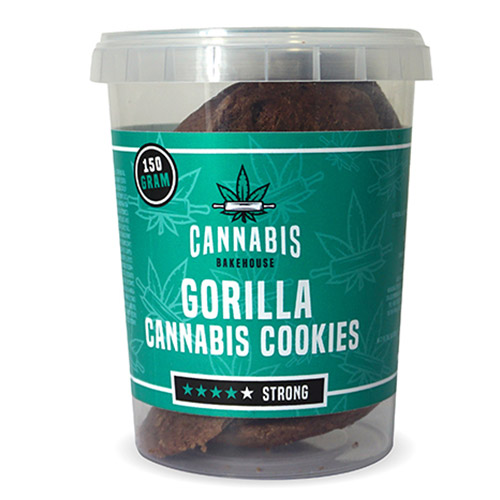
Maybe bake a space cake after all?
In addition to Dr. Strathdee, the magazine also spoke with Dr. Laura Crotty Alexander, a pulmonologist who has been studying e-cigarettes for over seven years. Using various research methods, Dr. Crotty Alexander began studying the effects of cannabis products on lung and immune function, as a large number of people who use nicotine vaporizers also smoke or vape THC or CBD.
“It has been shown that smoking marijuana damages the airway epithelium, increases mucus production, and causes loss of ciliated epithelial cells. 'If cilia are absent or non-functional, mucus will accumulate in the airways, giving SARS-CoV-2 the opportunity to come into contact with and infect lung epithelial cells.' Pretty important, those cilia…
Read also: Planning a vacation? These are the most 420-friendly cities in the world!
When asked whether cannabis users should also avoid vaping, Dr. Crotty Alexander replied: “It is wise for all of us to try to keep our lungs as healthy as possible, in anticipation of SARS-CoV-2 infection and the potential development of COVID-19. High-risk individuals—people over 60 [and those with] underlying lung disease, diabetes, or heart conditions—should be mindful of their health and treat their lungs with care, as they may have to work much harder to keep them alive in the very near future.”
In short: regardless of age or underlying condition, everyone would do well right now to give their lungs a break. “Inhaling fine particulate matter—whether from cigarettes, marijuana, coal combustion, stove combustion, or pollution—has always led to reduced lung function and increased susceptibility to lung infections,” the doctor said.


