


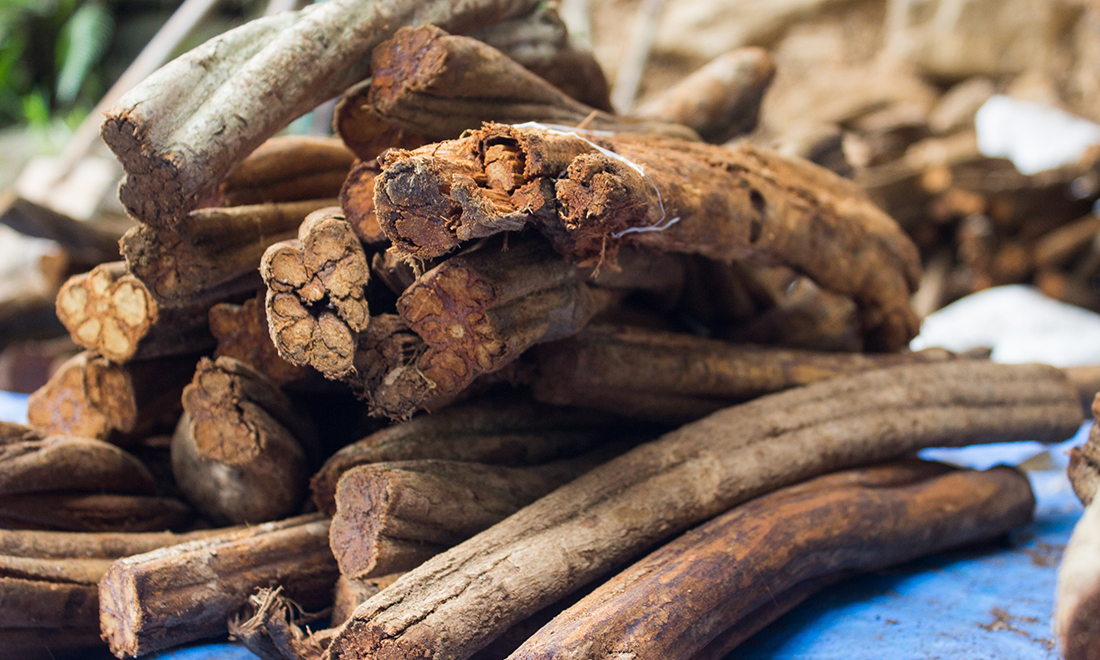
Many of you Dutch-Smarters know all too well that different types of psychedelics can have unique effects on our brains. New research involving nearly 12,000 users now suggests that ayahuasca, one of the most potent hallucinogenic substances in the world, might help alleviate symptoms of depression and anxiety. We’ll explain exactly how that works in this article! This week, the largest study ever conducted on ayahuasca was published.
Read also: This is how a single dose of ayahuasca can lead to lasting changes in the brain
First things first: don’t try this at home!
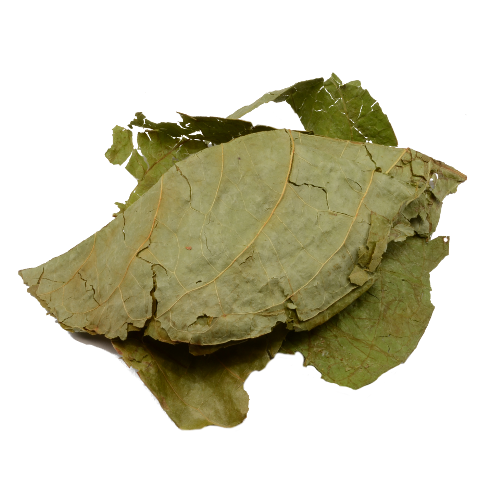
To get straight to the point with some hard facts: the use of ayahuasca in medical settings has not yet been approved anywhere in the world. Its effects have not yet been sufficiently proven and must still go through a great deal of scrutiny before it can ultimately be offered as a potential medicine.
That said, the medical and scientific communities aren’t sitting still. More and more researchers are focusing on psychedelics as a possible solution for treating mental health issues, and there’s a chance that one day we’ll actually turn to magic mushrooms or ayahuasca to alleviate or cure such conditions. Until then, however, we have only one piece of advice: don’t try this at home.
Read also: Does Rhodiola help you cope better with stressful situations?
Promising studies
Now that that’s out of the way, it’s time to take a closer look at the research on ayahuasca and depression and anxiety. For those unfamiliar with ayahuasca: Ayahuasca is a powerful hallucinogenic “tea” that has been brewed in the Amazon rainforest for thousands of years. Although the brew’s main active ingredient, dimethyltryptamine (DMT), is illegal in most countries, some preliminary studies suggest that the substance may have significant therapeutic properties in the context of improving symptoms of depression and anxiety.
The Global Ayahuasca Project was conducted between 2017 and 2020 and included more than 11,000 individuals, 7,785 of whom had symptoms of depression or anxiety at the time they took ayahuasca. Participants were asked to complete an online self-reported questionnaire designed to measure mental health outcomes among ayahuasca users.
Read also: Psilohuasca and ayahuasca—what are the differences?
94% success rate
The results were impressive, to say the least. Nearly 94% of respondents experienced at least some improvement in their depression symptoms, ranging from “a little” and “great” to the complete disappearance of their depression. The same was reported in 90% of cases for anxiety symptoms. Users who reported profound mystical experiences reported the greatest improvements in their depression or anxiety symptoms in most cases. Similarly, insights into one’s personal relationships following ayahuasca use were also correlated with improved mental health outcomes.
That said, there were also people who actually saw their mental health deteriorate after using ayahuasca. Approximately 2.7% of respondents reported worsened depression symptoms, and 4.4% reported worsened anxiety symptoms. The researchers found that feelings of loneliness, nervousness, anxiety, or tension, as well as depression or hopelessness in the weeks immediately following ayahuasca consumption, were predictors of worsened symptoms.
Read also: Mike Tyson downs 5 grams of magic mushrooms during podcast
Some limitations
“Additional evidence from randomized controlled trials is needed to establish the efficacy of Ayahuasca for affective disorders and to understand the exacerbated symptoms reported by a small percentage of participants,” according to the study’s authors in the Journal of Affective Disorders Reports.
In addition, there is a major caveat to this study: the fact that it relies on self-reported data, which is inherently subjective. Furthermore, the study was based on the reach of Ayahuasca users on niche forums and websites, where one is more likely to find people with positive experiences than those with negative ones. However, according to the authors, the large scale of the study does provide a great deal of valuable information and offers opportunities for further research.


