



Research into the unique properties of psilocybin, magic mushrooms, magic truffles, and other psychedelics is in full swing. Never before—at least not since the 1950s—has there been so much research into the effects of psychedelic substances on the human body. But although the field is growing rapidly, the number of studies remains relatively limited. Now, a new study sheds light on how the placebo effect might influence the effects of microdosing.
Read also: Boost your concentration with the remarkable Gotu Kola
Microdosing psychedelics
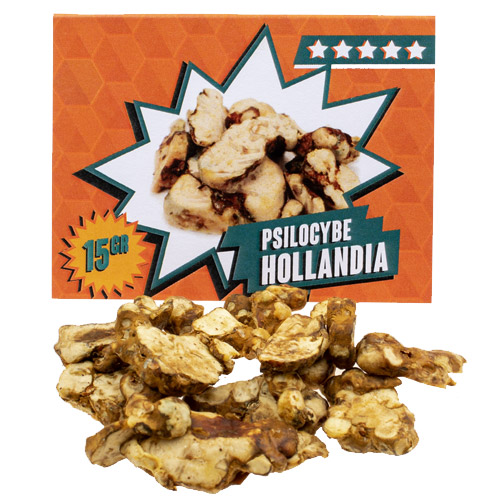 If you’ve landed here on Dutch-Smart, chances are you’re already familiar with the phenomenon of “microdosing.” With microdosing, you take small amounts of psychedelics such as psilocybin, LSD, or even ayahuasca to experience their benefits without tripping. Microdosing has been a growing trend for several years, but now a study from Imperial College London suggests that the benefits of the practice may be determined by the expectations of people who start it.
Researchers opted for an unconventional approach to the study, as conducting analyses of illegal drugs is simply not easy, especially during the COVID-19 pandemic. According to a press release from Imperial College, more than 190 members of the public participated in the placebo-controlled study. The participants were all already microdosing psychedelics and implemented placebo-control measures in the comfort of their own homes, following instructions from the research team.
The study participants followed the researchers’ instructions to make gel capsules at home that either contained a low dose of LSD or remained empty. The capsules were then mixed together, with the participants unaware of whether they were taking LSD or the placebo.
Read also: The remarkable maca—a natural libido booster
Significant improvement after microdosing?
The study first revealed that a large proportion of the participants actually saw improvements in various aspects of their lives. During the few weeks in which they had taken microdoses of psychedelics, so-called psychological parameters were positively influenced. However, similar positive results were also observed in the placebo groups—the groups of people who did not take actual psychedelics. “Anecdotal reports about the benefits of microdosing are almost certainly skewed by the placebo effect,” says lead author Balázs Szigeti.
“Our findings confirmed some of the beneficial psychological effects of microdosing based on anecdotal reports and observational studies, such as an improved sense of well-being and life satisfaction. But we see the same improvements in participants taking placebos. This suggests that the improvements may not be due to the drug’s pharmacological effects, but can instead be explained by the placebo effect.”
Within a few hours, most participants who took LSD reported improvements in mood, creativity, and anxiety. However, those who took the placebo reported similar benefits. "It’s important to take the placebo effect into account when assessing trends such as the use of cannabidiol oils, fad diets, or supplements where social pressure or users’ expectations can lead to a strong placebo response," says senior author David Erritzoe.
Read also: Struggling with pandemic weight gain? This magic remedy will help you!
Busy scientists!
But does this mean that when microdosing psychedelics, you’re only dealing with placebo effects? No, certainly not. First of all, there’s a big difference between the various types of psychedelics. This study focused on the use of LSD, one of the most popular hallucinogens. Yet LSD has a different effect than, say, psilocybin.
The psychedelic medicine and biotech company Mind Medicine Inc. is currently conducting its own randomized, placebo-controlled study to evaluate the benefits of LSD microdosing. This study, conducted in collaboration with Dr. Kim Kuypers of Maastricht University, will track the impact of LSD on “cognitive performance, sleep quality, mood, neuroplasticity markers, emotion regulation, quality of life, and immune system response.” “I am excited about this new study, which combines a variety of measures ranging from self-reports and cognitive tasks to health and sleep parameters, bringing us closer to understanding the mechanism of action behind the claimed benefits of microdosing,” said Dr. Kuypers.


