
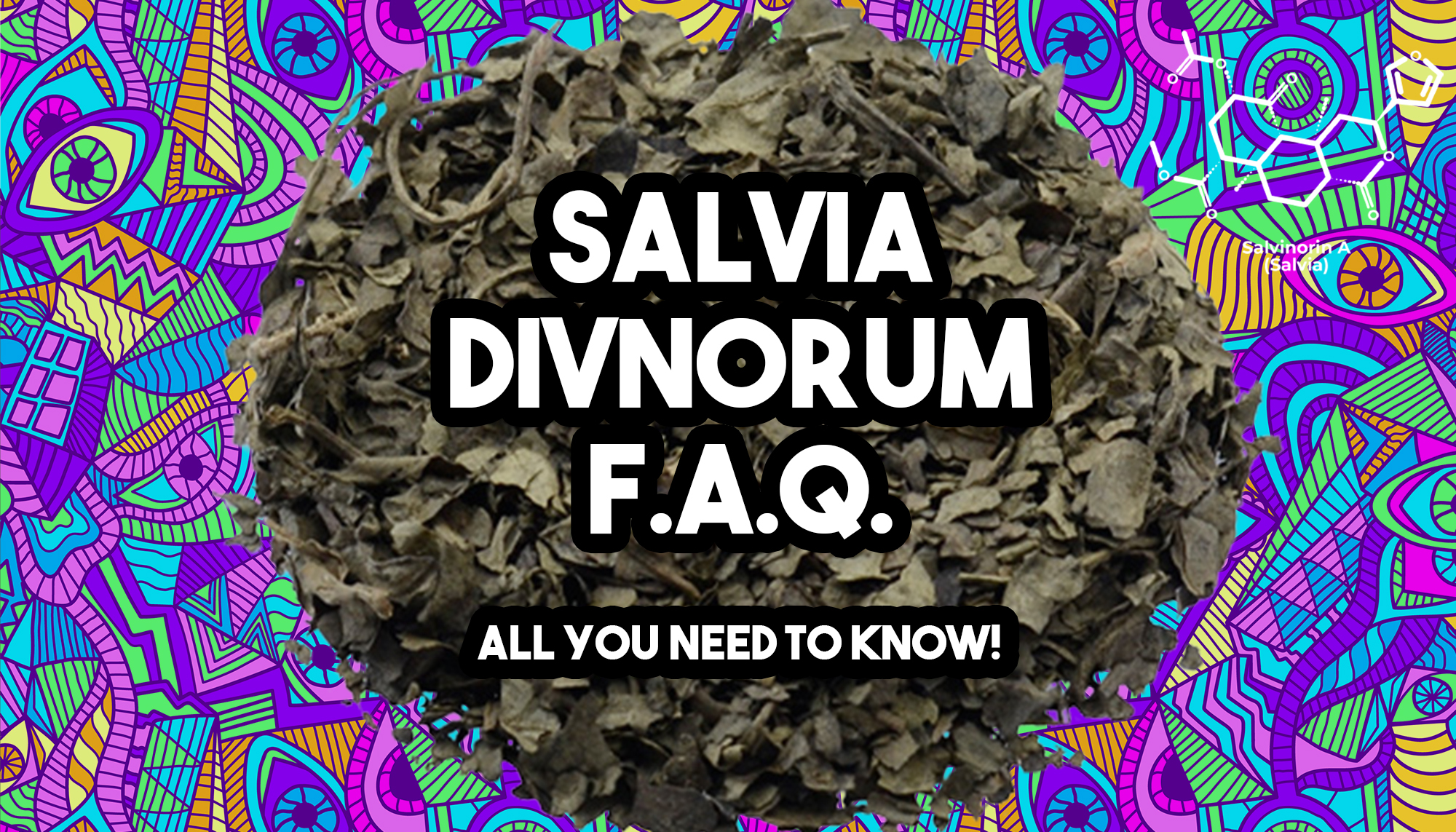
If you’re a regular visitor to Dutch-Smart, chances are you already know quite a bit about Salvia Divinorum. But what if you’ve only just become interested in this herb? Well, consider this your lucky day! In this article, we’ll answer all your questions about this powerful and often misunderstood plant. From its history and mythology to its modern-day use, we’ll cover everything you need to know about Salvia Divinorum. Let’s get started!
What is Salvia Divinorum?
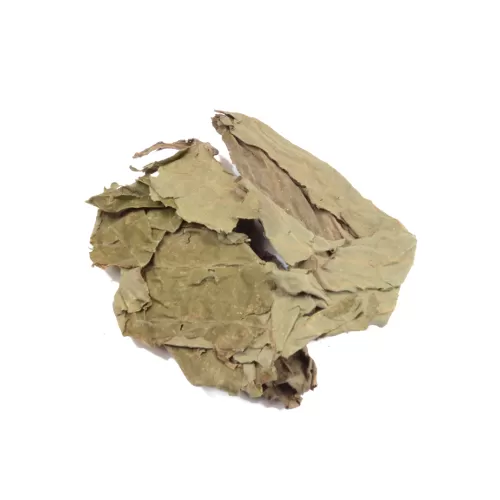 Salvia Divinorum is a plant that has been used for centuries by the Mazatec people of Mexico for shamanic rituals and healing ceremonies. Native to the cloud forest regions of the Sierra Mazateca in Oaxaca, Mexico, it typically grows in ravines and other humid, high-altitude areas. It is also closely related to common sage (Salvia officinalis). The active ingredient in Salvia Divinorum is salvinorin A, a potent psychedelic compound. When consumed, salvinorin A can cause powerful hallucinations and out-of-body experiences.
How is Salvia Divinorum used?
Salvia divinorum is usually chewed, smoked, or taken as a tincture. When chewing salvia leaves, fresh or dried leaves are rolled into a ball called a “quid.” The quid is held under the tongue and chewed every ten seconds for at least half an hour before being spat out. Some people find chewing the plant unpleasant due to its bitter taste and the amount of plant material required. On the other hand, the effects of this method are milder and longer-lasting.
To smoke Salvia divinorum, a pipe is used that is sometimes made specifically for smoking these leaves. Dry leaves can be smoked in a pipe, or by using a hookah to cool the smoke. The temperature required to release salvinorin from the plant material is quite high (approximately 240 °C). A cooler flame will work, but the direct application of a more intense flame, such as that of a torch lighter, is often preferred. Smoking is faster and more efficient, but it can also be difficult to accurately measure the dose when using extract-enhanced leaves.
Salvia divinorum can also be taken as a purified tincture. In this process, the leaves are steeped in ethanol to extract the active compounds. Tinctures can be taken orally or added to water or other beverages. They are generally more potent than other forms of Salvia divinorum and can cause strong psychoactive effects.
How quickly does Salvia Divinorum take effect?
When salvia is smoked, the main effects are felt quickly. The most intense “peak” is reached within a minute or so and lasts 1–5 minutes, followed by a gradual decline. After 5–10 minutes, less intense but still noticeable effects usually persist, giving way to a returning sense of the everyday and familiar until returning to baseline after about 15 to 20 minutes.
When using the quid chewing method, the effects last slightly longer, but it also takes longer to notice anything. You may feel nothing for the first 15–20 minutes, and any effects you do feel may be reduced by light or sound. The peak effects last 30–60 minutes. Taking a purified tincture is very similar to quidding, but you experience the effects much faster.
What are the effects of Salvia Divinorum?
When ingested, Salvia divinorum can cause various hallucinations. At low doses, people may experience a tingling sensation, heightened body awareness, or greater mental clarity. Higher doses are associated with more intense effects, such as dizziness, loss of self-awareness, rapidly changing visual images, or mystical experiences.
Some people who use Salvia divinorum also report experiencing tunnel vision, feeling as though they are merging with or transforming into objects, seeing entities or beings, hearing voices, or laughing uncontrollably. In rare cases, people may also have an out-of-body experience or feel as though they are in multiple realities at once. Overall, Salvia divinorum is a powerful psychedelic plant that can induce a wide range of hallucinations.
What is the correct dose for Salvia Divinorum?
The effects of Salvia divinorum vary depending on the amount ingested. For smoked doses, a quarter to half a gram of dried leaf is average. It is important to inhale the entire dose within two to three minutes, as Salvinorin A is rapidly metabolized by the body. Using a hookah or a high-temperature vaporizer can make it easier to take the full dose in one go.
For the quid method, it is generally recommended to use 30 grams of fresh leaves or 2–8 grams of dried leaves. However, the effects of Salvia divinorum vary depending on the amount consumed, so it is important to start with a small dose and increase it as needed. It is not necessary to take the entire dose at once; it may be helpful to divide it into smaller portions and chew slowly over the course of an hour or longer. As with any substance, it is always best to be cautious and start with a low dose if you are trying Salvia divinorum for the first time.
What is the history of Salvia Divinorum?
Salvia divinorum has a long and rich history among the Mazatec Indians of Oaxaca, Mexico. The plant is revered as an incarnation of the Virgin Mary and is locally known as hierba (herb) or hojas (leaves) de María. Traditionally, Salvia was used for healing and divination. It is also the first of the three sacred plants that apprentice shamans encounter, followed by morning glory seeds and psilocybin mushrooms. Salvia has been used for centuries by the Mazatec Indians and remains an important part of their culture to this day.
Salvia divinorum first came to the attention of Western anthropologists between the late 1930s and early 1950s. Ethnomycologist R. Gordon Wasson used it in the 1960s together with Albert Hofmann (the man responsible for synthesizing LSD) and his wife Anita. They soaked Salvia leaves in water and reported colorful visions and patterns. Although the plant’s cultivation sites were well preserved, Wasson also managed to obtain a living specimen from the Mazatec. This was sent to the U.S. in December 1962, where it was identified as a new species of Salvia: Salvia divinorum.
The growing conditions for Salvia divinorum are very specific and difficult to replicate outside its natural environment. The plant cannot tolerate freezing temperatures or long periods of drought; therefore, it is usually grown only in tropical or subtropical regions. However, with careful planning and attention, it is possible to successfully grow Salvia divinorum in other climates. For anyone wishing to experience the powerful effects of this plant, cultivated specimens are readily available from online retailers, such as Dutch-Smart.
What are the dangers of Salvia divinorum?
Despite its reputation as a “legal high,” the use of Salvia divinorum is not without risks. The main danger of salvia is that it can cause accidents. The disorienting effects of the drug can make it difficult to walk or even stand, and there have been reports of people falling and injuring themselves while under its influence. For this reason, it is strongly recommended that users have a babysitter or “tripsitter” when using salvia, and that they lie down to prevent potential accidents. Furthermore, because research on the safety of Salvia divinorum is limited, it is advisable to start with a low dose and gradually increase it until you find the dose that works for you. With the proper precautions, Salvia divinorum can be a safe and enjoyable experience.
A 2003 study found that pure salvinorin A has “relatively low” toxicity for rodents, even at doses up to 6,400 mcg—more than three times the highest known dose for humans and six times the maximum recommended dose. In humans, a toxic overdose is highly unlikely. Just like tobacco and cannabis, Salvia smoke releases carcinogens, but the same is true for almost all combustible substances.
Can you microdose Salvia Divinorum?
Microdosing is a practice that has gained popularity in recent years, as more people explore the potential benefits of psychedelics. Although microdosing is usually associated with hallucinogens like LSD and psilocybin, it can also be done with other substances, including salvia. Chewing small amounts of dried leaf is said to improve mood and enhance mental clarity for the rest of the day, without any psychedelic effects. When smoked, salvia can have an “afterglow” period lasting up to a week. Although there is no scientific evidence to support these claims, anecdotal reports suggest that microdosing salvia may be beneficial. As with any substance, however, it is important to be aware of the potential risks before trying it.
Is Salvia Divinorum addictive?
Due to its powerful psychoactive effects, there is some concern that Salvia Divinorum may be addictive. However, there is currently no evidence that Salvia Divinorum is addictive or that it poses serious risks when used responsibly. In fact, most people who use Salvia Divinorum report no negative side effects. So while more research is needed, it seems unlikely that Salvia Divinorum is addictive.
Is Salvia Divinorum legal?
In recent years, Salvia Divinorum has gained popularity as a recreational drug due to its powerful psychoactive effects. Although Salvia Divinorum is legal in many countries, including the Netherlands, it is illegal in some jurisdictions. This is usually due to its similarity to other hallucinogenic drugs, such as LSD. As a result, those who wish to use Salvia Divinorum should always check their local laws before doing so.
Does Salvia Divinorum cause violent behavior?
Although salvia is not considered an addictive substance, there is some concern about its potential risks. Some news reports suggest that salvia use may be linked to suicides and murders, prompting lawmakers in some jurisdictions to criminalize the plant. However, there is no evidence of such a direct link. In fact, high doses of salvia make coordinated acts of violence virtually impossible. In the long term, other factors, such as underlying depression, are usually much more likely to be the culprit. Nevertheless, as with any psychoactive substance, caution is advised. Salvia should be used with caution, especially by people with a history of mental illness or aggressive behavior.
Can Salvia Divinorum be detected in a drug test?
Despite its powerful effects, salvinorin A is not detectable by standard drug tests. This is because it differs structurally from other psychoactive drugs, such as marijuana, cocaine, and methamphetamine. Furthermore, Salvinorin A is not metabolized by the body in the same way as these other drugs. As a result, it is unlikely to produce a false-positive result on a drug test. However, it is important to note that comprehensive drug tests can detect Salvinorine A if it is specifically included in the test panel.
Can Salvia divinorum cause psychological trauma?
In large doses, Salvia divinorum can cause powerful hallucinations and an out-of-body experience. However, there is no evidence that this drug is harmful to mental health. Some studies even suggest that it may have therapeutic benefits. For example, one study found that Salvia divinorum can reduce anxiety and depression in rats. However, more research is needed to confirm these findings. Despite the lack of evidence, some people believe that Salvia divinorum is dangerous and should be banned. However, there is no evidence that this drug is more harmful than other legal drugs, such as alcohol or tobacco.
Can Salvia Divinorum be combined with other medications?
Not much is known about how Salvia Divinorum interacts with other drugs or medications, so caution is advised. Although many people take regular medications alongside Salvia without any problems, it is recommended to start with a small dose and monitor your reactions.
Conclusion
Salvia Divinorum is a powerful psychoactive substance that should be used with caution. Although it is not addictive and usually does not cause violent behavior, it can have powerful effects. Before using Salvia Divinorum, always check your local laws to ensure it is legal in your area. Also, be aware of the potential risks of this drug and consult a doctor if you have any concerns. Finally, remember to start with a small dose and increase it gradually to avoid negative side effects. Have a great trip!


