


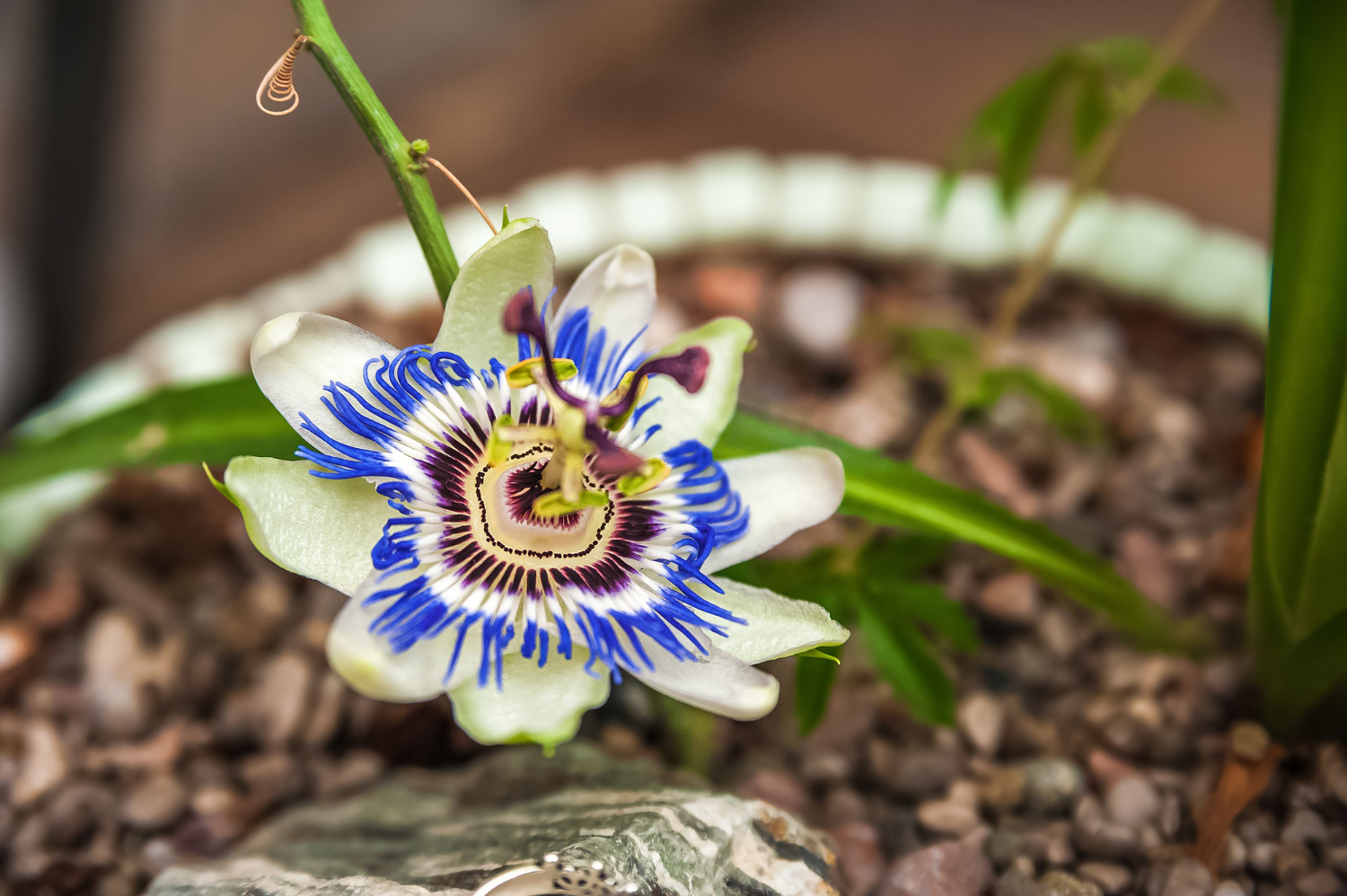
The immune system is a complex, fascinating, and vital part of the human body. It protects us from all kinds of nasty illnesses, fights off infections, and can even help prevent allergies. The problem is that our immunity tends to weaken as we get older. This article offers some natural ways to keep your immune system strong and healthy, so you can fend off many diseases or infections as effectively as possible in their earliest stages. Discover some impressive herbs and supplements that have more than stood the test of time!
The Immune System and How It Protects Us From Diseases and Infections
The immune system, also known as the defense system or the innate immune system, is a biological system that influences the natural human body. The immune system consists of a number of different cells and cell types involved in various biological processes. The innate immune system is responsible for recognizing and destroying foreign substances to protect the body against infections, while the adaptive immune system provides long-term immunity against infections.
The human body can be affected by various diseases, such as skin irritations or allergies, viral diseases caused by all kinds of microorganisms, and even cancer. Although there are many ways to treat these conditions, some people insist on using natural remedies because they want to avoid the side effects of synthetic medications or simply because they believe these alternatives are more effective than conventional therapies. Throughout human history, numerous natural remedies have been discovered to strengthen the immune system or, at the very least, trigger a specific physical response (whether or not via the placebo effect). Today, we will discuss a number of these natural remedies.
Mulungu
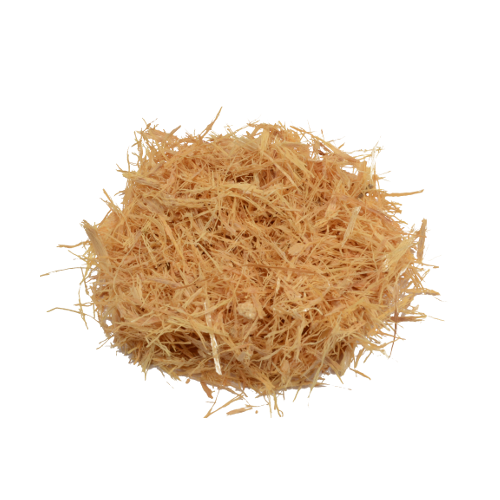 Mulungu is a plant found in many tropical climates. The word originates from the language of the Tupi-Guarani people and means “tree of life.” It grows best when it receives plenty of sunlight and has access to moist soil. The leaves of the mulungu are consumed for medicinal purposes in traditional medicine and are known for their potential to strengthen the immune system. Mulungu leaves can be consumed fresh, dried, or as tea. When consumed fresh, they are usually cooked and eaten at room temperature.
However, if you consume mulungu as tea, add one or two teaspoons of dried leaves to 250 milliliters of boiling water to make a tasty beverage that is believed to significantly boost immunity! Consuming mulungu should only be done under medical supervision; self-experimentation is not recommended. Mulungu can also make you feel weak. People taking blood pressure-lowering medication (and those with low blood pressure) are advised to use mulungu in moderation and to monitor their blood pressure closely.
Passionflower
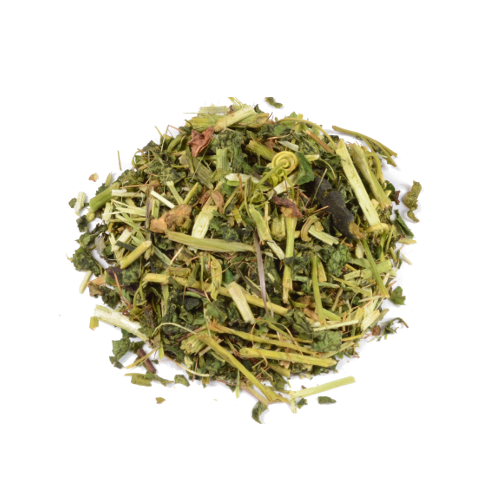 Passionflower or Passiflora is a genus of perennial and annual vines in the Plantaginaceae family, native to the Americas. Plants in this genus are woody vines with heart-shaped leaves, simple, pendulous flowers, and clusters of fruit. Passionflower is a perennial plant whose fruits provide nourishment for people who love animals and want to care for them. It also supports human health. If you are interested in animals, or if your immune system needs to be restored, then the passionflower is definitely a plant worth exploring.
According to many, passionflower is a natural remedy with numerous medicinal benefits, including boosting the immune system. This medicinal plant thrives best in tropical climates where it receives plenty of sunlight and has access to moist soil. Its leaves and flowers are used for various purposes around the world, including natural remedies and even culinary uses. A folk remedy suggests drinking passionflower tea to boost your immune system.
So, if you have a cold or an upper respiratory infection, try brewing yourself some refreshing passionflower tea and drink it throughout the day to help prevent dehydration.
Skullcap
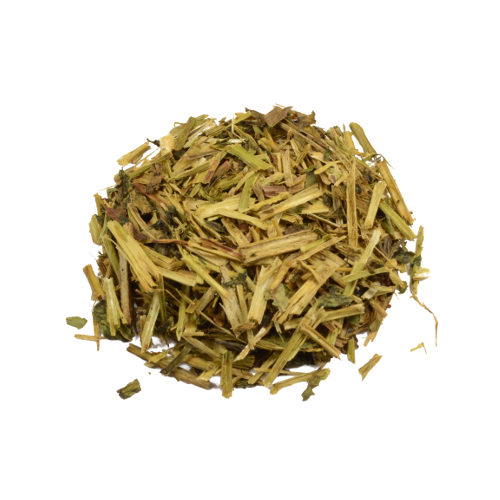 Skullcap is also known as Scutellaria lateriflora or gildkruid. According to enthusiasts, this herb has many different beneficial properties, such as preventing infections and stimulating the immune system. Skullcap grows best in sunny spots with moist soil and can grow up to about 30 centimeters tall. You can make tea from skullcap for immediate use or store it in dried form to make tea when you need it.
The benefits of skullcap include some impressive effects. For example, it may help with coughs and colds. When the herb was tested on people with bronchitis, it helped reduce the frequency of coughing and also helped alleviate congestion. Skullcap is also sometimes mentioned in articles about preventing certain diseases, but it’s important to know that such effects haven’t yet been scientifically proven. For example, some people claim that skullcap can help with diabetes. In one study, diabetic rats were given skullcap extract over time. The study showed that blood glucose levels in these rats dropped drastically compared to the group of rats that did not receive it. If you’d like to try skullcap yourself, steep 2.5 to 3 grams of skullcap in half a liter of hot water for about 20 minutes. Drink 1 or 2 cups of this to experience the effects.
Conclusion
In short: mulungu, passionflower, and skullcap are three herbs that can potentially help boost your immune system. Mulungu is an African herb that has been used for centuries to treat malaria and other diseases. Passionflower, in turn, is known as a herbal sedative because it helps calm the mind without causing drowsiness or impairing cognitive function, and skullcap also inhibits inflammation by reducing histamine production in response to allergies. So while all these herbs have their own unique benefits, they all have one thing in common—according to users around the world, each and every one of them is capable of naturally boosting your immunity!


