


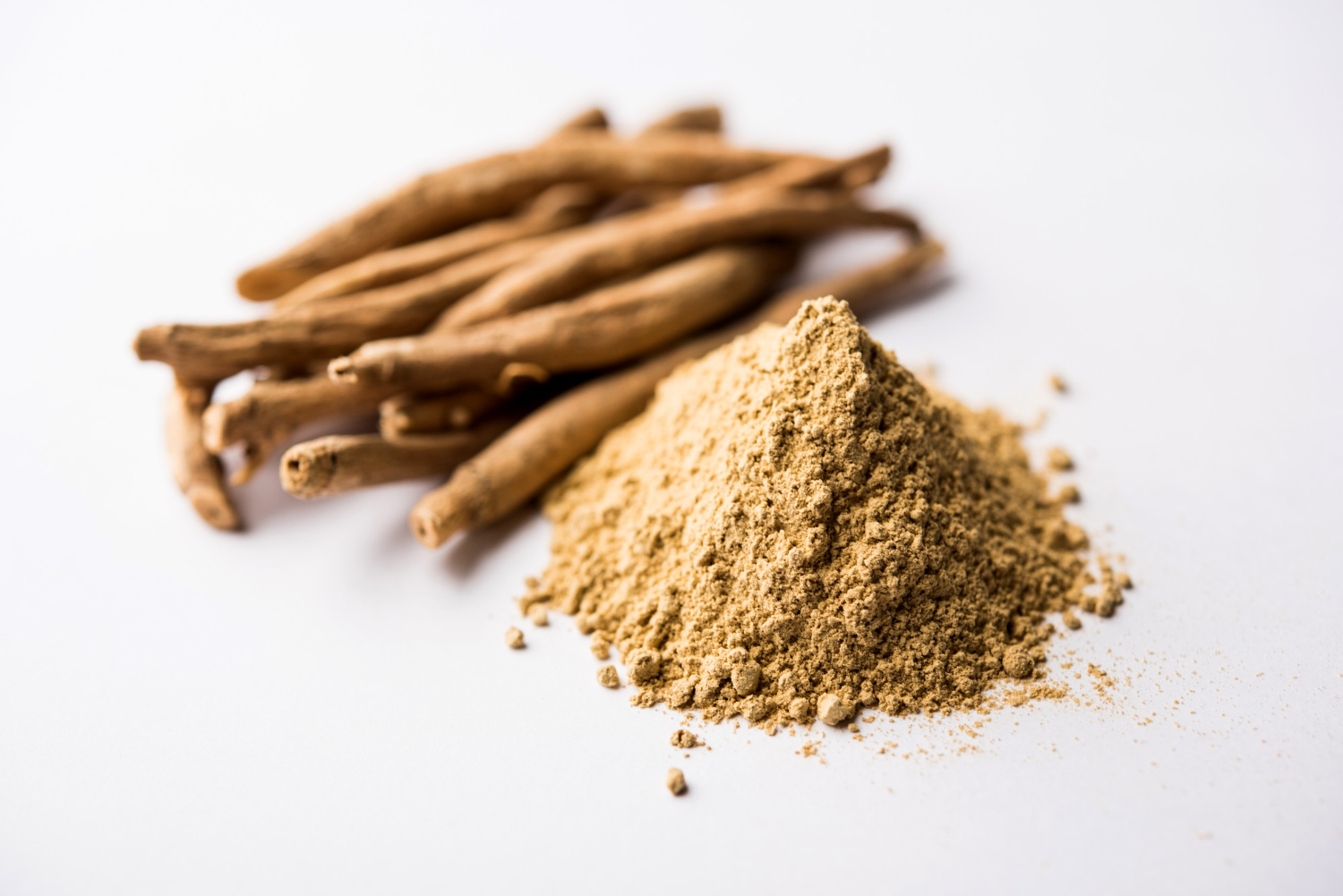
In this section of our guide, we will explore the traditional health benefits of Ashwagandha as described in Ayurvedic medicine. Although we are discussing the traditional use of Ashwagandha here, we want to emphasize that Western science is still in the process of researching this plant, and that any effects have not yet been officially approved by the European Commission. Always consult a doctor or medical specialist before use.
List of Articles
- Ashwagandha Guide Part 1: Introduction to Ashwagandha
- Ashwagandha Guide Part 2: The Health Benefits of Ashwagandha
- Ashwagandha Guide Part 3: Different Forms of Ashwagandha and How to Use Them
- Ashwagandha Guide Part 4: Side Effects, Precautions, and Contraindications
- Ashwagandha Guide Part 5: Ashwagandha in the Kitchen: Delicious Ideas for Snacks and Dishes
- Ashwagandha Guide Part 6: Frequently Asked Questions About Ashwagandha
Stress and Anxiety Reduction
In Ayurveda, it is believed that Ashwagandha helps reduce stress and anxiety by regulating the production of stress hormones such as cortisol. The plant’s adaptogenic properties are said to support the body in coping with stressful situations, thereby reducing feelings of anxiety and restlessness. Ashwagandha is often recommended to help the body and mind relax after a long day, and it may also contribute to better sleep quality.
The plant has been used for centuries in Ayurvedic medicine to reduce stress and promote a sense of well-being. It is believed that taking Ashwagandha can strengthen the body’s ability to cope with stress, making one more resilient to the negative effects of stress in the long term. You can try Ashwagandha in various forms, such as Ashwagandha Powder or Ashwagandha Extract.
Although Ashwagandha is considered a natural and safe option for helping to reduce stress and anxiety, it’s important to consult with a healthcare provider before using it, especially if you’re already taking medications or have a medical condition.
Improving Brain Function and Memory
According to Ayurvedic tradition, Ashwagandha may contribute to improved brain function and memory. The plant is used to promote concentration and learning ability and to reduce mental fatigue. Ashwagandha is also often prescribed to counteract age-related cognitive decline.
It is believed that Ashwagandha contains antioxidants and anti-inflammatory compounds that can support brain health. In Ayurvedic medicine, it is believed that these compounds protect brain cells from damage caused by free radicals and oxidative stress, which may contribute to improved cognitive function and mental clarity.
In addition to improving overall cognitive function, Ashwagandha is also used to reduce mental stress, which in turn can help improve memory. In Ayurvedic practice, it is believed that stress has a negative impact on memory and learning ability, and taking Ashwagandha can help reduce these stress-related issues. For those interested in trying Ashwagandha for cognitive support, various forms are available, such as Ashwagandha Capsules and Ashwagandha Seeds for growing your own plants.
Immune System Support
In Ayurveda, Ashwagandha is considered a powerful immune-boosting agent. It is believed that the plant’s adaptogenic properties help the body adapt to various stressors, thereby making the immune system better able to fight off pathogens. Ashwagandha is often used to strengthen the immune system, especially during cold and flu season or when recovering from illness.
In addition, Ashwagandha is believed to have anti-inflammatory properties, which may help reduce chronic inflammation that can weaken the immune system. By reducing inflammation in the body, Ashwagandha may help improve overall well-being and strengthen the immune system.
Finally, Ashwagandha may also help increase the production of white blood cells, which are responsible for fighting infections and maintaining a healthy immune system. To support the immune system, those interested can try Ashwagandha in the form of Ashwagandha Powder or Ashwagandha Extract.
Stimulation of Thyroid Function
In Ayurvedic medicine, Ashwagandha is used to stimulate and support thyroid function. The thyroid plays a crucial role in regulating the body’s metabolism and energy levels. Optimal thyroid function is important for maintaining a healthy weight, sustaining energy, and promoting proper body temperature. In Ayurveda, Ashwagandha is prescribed to improve sluggish thyroid function, which can lead to fatigue, weight gain, and feelings of coldness.
It is believed that Ashwagandha influences the production of thyroid hormones by stimulating the thyroid gland itself. This can lead to improved hormonal balance and overall health. Additionally, the plant’s adaptogenic properties may also help the body better cope with stress, which can negatively impact thyroid function.
Because thyroid health plays such an important role in the body’s well-being, it is crucial to consult with a healthcare provider before using Ashwagandha for thyroid support. For those who want to try Ashwagandha, various forms are available, such as Ashwagandha Capsules and Ashwagandha Powder.
Increased Energy Levels and Endurance
Ashwagandha is traditionally used in Ayurveda to increase energy levels and stamina. It is believed that the plant helps combat fatigue and improve physical performance, making it a popular choice for athletes and those pursuing an active lifestyle.
Ashwagandha’s adaptogenic properties may help make the body more resilient to the physical stress of exercise and reduce the effects of fatigue. In addition, Ashwagandha may also have a positive effect on muscle growth and post-workout recovery, contributing to better physical condition and endurance.
Sexual Health and Fertility
Ashwagandha is often prescribed in Ayurvedic medicine to promote sexual health and fertility. It is considered a natural aphrodisiac that can help improve libido and sexual function in both men and women. It is believed that the plant has a positive effect on hormonal balance and blood circulation, which can contribute to better sexual health and performance.
In men, Ashwagandha is traditionally used to improve sperm quality and motility, which can contribute to increased fertility. It is also used to treat erectile dysfunction and premature ejaculation, issues that can negatively impact sexual well-being and intimate relationships.
For women, according to traditional users, Ashwagandha can help regulate hormone levels and promote a healthy menstrual cycle. It is also used to alleviate symptoms of menopause, such as hot flashes and mood swings, by supporting hormonal balance and reducing stress. Furthermore, Ashwagandha is believed to have a positive effect on female fertility by improving ovulation and supporting the health of the reproductive system.
In conclusion...
All in all, Ashwagandha offers a wide range of traditional health benefits according to Ayurvedic medicine. Although we have focused on the traditional uses of Ashwagandha in this article, many studies are still underway to better understand the scientific basis for these benefits. It is important to remember that natural supplements, such as Ashwagandha, can vary in effectiveness, and it is advisable to consult with a healthcare provider before starting a new treatment.


