


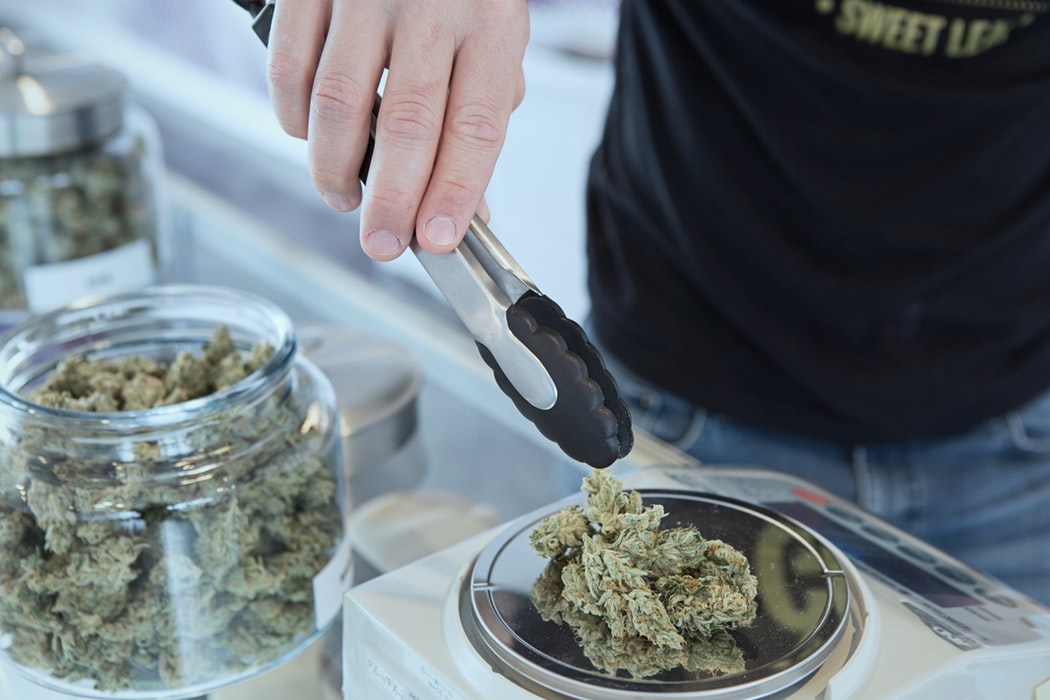
Here at Dutch-Smart, we’ve regularly written about the amazing benefits of microdosing. We’ve discussed microdosing magic truffles, as well as what microdoses of CBD or ayahuasca could do for you. But what if we told you that even that delicious green herb you probably smoke every weekend can also be microdosed? Yes, really: even cannabis can be consumed this way, so you experience the positive effects without getting incredibly stoned.
Read also: Fighting COVID-19: Skip that joint—bake a space cake!
Microdoses of cannabis
Alright, first let’s get back to basics: What is microdosing? Well, microdosing is a technique where only a very small dose of a substance is taken. The dose is high enough to notice subtle effects, but not high enough to trip out—or in this case: to get high. Although microdosing is usually associated with hallucinogens like psilocybin, ayahuasca, and LSD, many experts believe that consuming small amounts of cannabinoids could offer significant benefits. In fact, microdoses of cannabis might even be better than high doses of THC for some applications.
Sounds good, but what about the science? That’s all good too! In a study published by the Department of Psychiatry and Behavioral Neurosciences at the University of Chicago, for example, participants experienced greater stress-relieving effects from 7.5 milligrams of THC than from 12.5 milligrams. Participants reported an increased negative mood after consuming the higher dose, which could suggest that lower doses may be more effective at reducing emotional stress for people with anxiety disorders.
Read also: Could cannabis help with Alzheimer’s in the future?
Lower dosage more effective
In another study published in 2012 in The Journal of Pain by Elsevier (the publisher of scientific literature, not the Dutch magazine), patients with advanced cancer who did not respond to traditional painkillers were given nabiximols, a THC and CBD compound, in various doses. Patients who received the lowest dose experienced the greatest reduction in pain compared to the group of people who received higher doses. This study would thus demonstrate that a low dose of cannabis can be beneficial for reducing negative symptoms.
There are quite a few anecdotes to be found online, including that of 43-year-old Jane. “I have an autoimmune disease called Crohn’s disease that causes a lot of pain and inflammation, so I microdose cannabis so I can work,” she says. “Always figure out what dosage works for your needs. It’s a matter of trial and error, but once you finally get it right, the benefits are amazing.”
Read also: Dabbing cannabis—what exactly is that?
What about the dosage?
But the very fact that you’re not supposed to get stoned when microdosing makes dosing a bit tricky. For example, there’s no universal dosage that works for everyone, and finding the magic dosage depends on your tolerance, consumption method, and your personal endocannabinoid system. Still, there are some guidelines: For more experienced users, a typical microdose can range from 2.5 to 10 milligrams of THC, but it’s advisable to start with very low doses for at least a few days and note how long it takes before effects are noticeable.
Because the key to successful microdosing? That’s to take it slow. Additionally, just like with any other type of medication, it’s important to follow a well-regulated schedule. So make sure you administer precise doses each time and keep track of how much you’ve consumed to avoid getting high or stoned. When done correctly, microdosing cannabis can be a beneficial way to improve various aspects of your life.


