


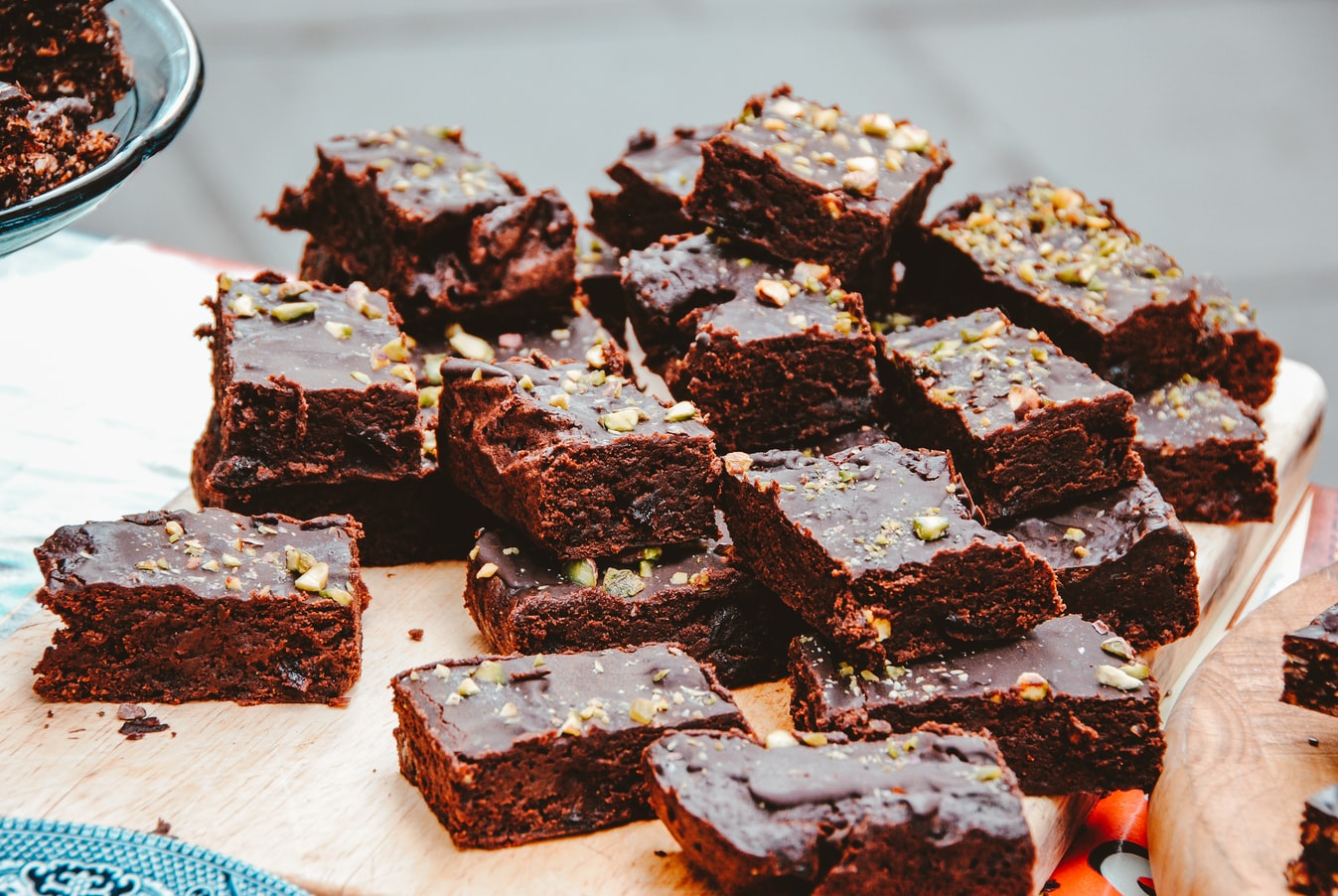
The first day of the workweek is over for most of us. That means settling in on the couch with a little something to enjoy! For some, that’s a nice cold beer; for others, a tasty joint or maybe a space brownie. If you want to be sure your cannabis high is completely under control, just go for that joint. Eating cannabis edibles is much more unpredictable. But why is that, exactly? Today we’ll tell you all about it!
Read also: Benefits of microdosing outweigh the drawbacks, say researchers
A powerful high
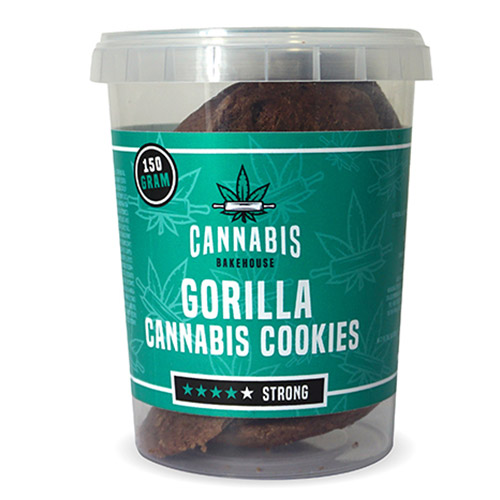 Of the countless ways to consume cannabis, edibles are the most unpredictable. The result is a powerful high that takes quite a while to kick in. This means edibles inspire as much love as they do fear among both cannabis veterans and marijuana newbies. Below, we’ll walk you through why these products are so different from smoking or vaping cannabis—two methods where you feel the effects almost immediately.
To start with, edibles—yes—are eaten. This is the first major difference. Just like anything else you eat, cannabis edibles are absorbed through the stomach lining and your intestines. After the food is broken down, the THC from the edible is absorbed and slowly enters your bloodstream. When cannabis is smoked or used in a vaporizer, the effect is almost immediate. The smoke or vapor goes directly to your lungs and then quickly enters your bloodstream.
Read also: Ministry of Health invests 1.9 million euros in cannabis research
The unpredictability of cannabis edibles
Depending on the type of meal you eat, it may take longer or shorter for your body to process these foods. The same applies to cannabis edibles. It’s also important to consider how much you’ve already eaten that day. If you eat a cannabis brownie after a heavy meal, it will take longer for the THC to kick in than if you had eaten it on an empty stomach. In fact, you might even fall asleep before you experience the high—something that isn’t exactly pleasant.
Andrew Stolbach, a toxicologist at Johns Hopkins Hospital in Baltimore, explained to Eating Well that the time it takes for an edible to kick in and the variations in your digestive system on any given day could lead to an overdose. “Something important to remember about edibles is that absorption is unpredictable,” he says. “People don’t experience a peak effect for a long time after eating, which can take minutes to hours, but usually hours.”
Read also: Three reasons why you should vape cannabis instead of smoking it
Edible overdose: no fun!
.png) And a cannabis overdose like that won’t make you happy. While you’ll never die from a cannabis overdose, it’s certainly no fun. The symptoms are similar to those of a cannabis smoking overdose, but stronger and longer-lasting. The standard side effects of marijuana, such as paranoia, anxiety, and a rapid heartbeat, can occur 6 to 12 hours after an overdose of a cannabis edible.
And a cannabis overdose like that won’t make you happy. While you’ll never die from a cannabis overdose, it’s certainly no fun. The symptoms are similar to those of a cannabis smoking overdose, but stronger and longer-lasting. The standard side effects of marijuana, such as paranoia, anxiety, and a rapid heartbeat, can occur 6 to 12 hours after an overdose of a cannabis edible.
In short: using cannabis edibles comes with some risks, and practice makes perfect. So it takes a bit of trial and error before you get the hang of eating cannabis. Our advice: always start with a small dose and never increase it too quickly. Then wait a few hours and see how you feel. Would you rather not take this risk? Then just opt for a herbal vaporizer! Enjoy!


