


The Dutch-Smart online store offers hundreds of different types of herbs. If you’ve already taken a look at our herb shop, you’ll see that our selection includes, for example, relaxing herbs, energy-boosting herbs, and health-promoting herbs. Herbs with a specific purpose, in other words, but every now and then you’ll also come across an herb with a so-called “adaptogenic” effect. One of these is Rhodiola rosea (roseroot)—an herb that is currently extremely popular, especially in capsule form.
Read also: Psilohuasca and ayahuasca—what are the differences?
Rhodiola adapts!
 Adaptogens are herbs and other substances that boost mental and physical resilience during short-term periods of stress. The word “adaptogen” is derived from the English verb “to adapt,” also known as the ability to adapt. Unlike, for example, energy-boosting herbs or relaxing herbs, adaptogens have not one but multiple functions. These functions are adapted to the body’s specific needs. When stress arises, for example, the balance of hormones is disrupted. This disruption is immediately detected by the adaptogens, after which the substance begins to work.
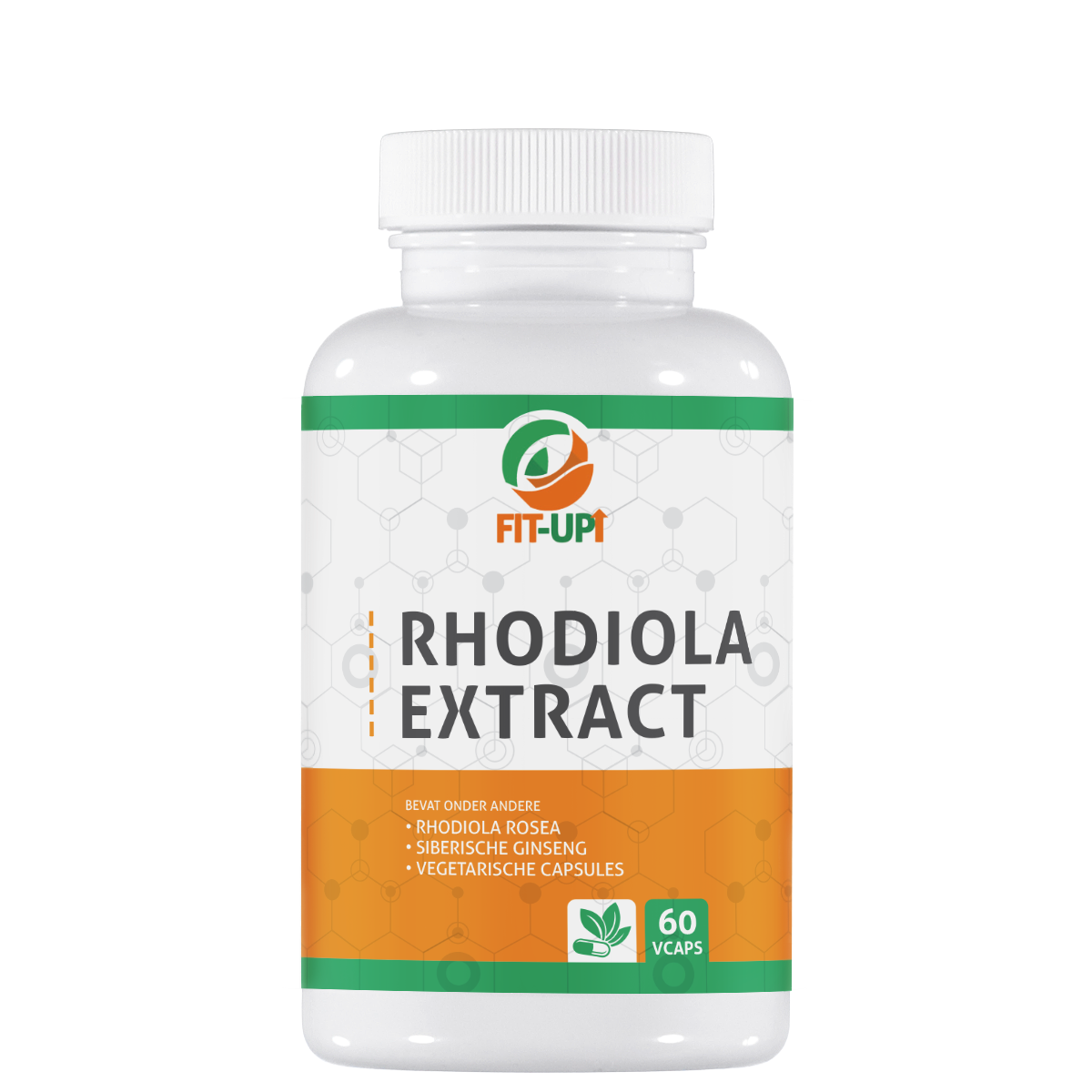
Rhodiola is considered such an adaptogen: an herb that addresses both mental function and physical performance. Rhodiola may have a beneficial effect, particularly during short-term periods of stress. The herb grows in cold, mountainous regions of Europe and Asia. The root contains more than 140 active ingredients, the two most potent of which are rosavin and salidroside. People in Russia and Scandinavian countries have believed for centuries that rhodiola can treat anxiety, fatigue, and depression. Although these effects have not been scientifically proven, this does not detract from the fact that the herb is more popular than ever. Today, the herb is used in supplement form because of its many unique health benefits.
Read also: New study compares psilocybin with popular antidepressants
Does Rhodiola put an end to mental ailments?
One of the most recent studies on Rhodiola examined the herb’s potential applications in treating depression. Depression is one of the most common and debilitating psychiatric disorders we know of. In the Netherlands, nearly 20 percent of adults (ages 18–64) will experience depression at some point in their lives. Because current medications aren’t always suitable for everyone due to their many side effects, there is a strong search for potential alternatives. Here at Dutch-Smart, we also frequently write about psilocybin, the active ingredient in magic mushrooms and magic truffles, which some people view as the key to treating depression. For now, there is insufficient scientific evidence, but there is certainly hope.
And now it turns out that rose root may also be used in the future to treat such symptoms. All 57 adult participants in the study received rose root extract, sertraline, or a placebo for 12 weeks. Sertraline is an antidepressant that has been used and prescribed since 1990. What did the results show? Compared to the placebo, Rhodiola was 1.4 times more likely and sertraline 1.9 times more likely to reduce the effects of depression. Sertraline was thus the most potent antidepressant, but at the same time, twice as many side effects were experienced with this medication as with Rhodiola. These included nausea or sexual dysfunction. These findings suggest that R. rosea may have a favorable risk-benefit ratio for individuals with mild to moderate depressive disorder. However, this study is far too small to definitively attribute such benefits to the herb, and further research will be needed.
Rose root is used worldwide for numerous other benefits, including combating fatigue. Stress, anxiety, and insufficient sleep are some factors that can contribute to fatigue, which can cause feelings of physical and mental exhaustion. Due to its adaptogenic properties, rhodiola is thought to potentially help alleviate fatigue.
Important: The health effects listed above have not yet been officially established. A healthy lifestyle is important, as is a varied, balanced diet, for which dietary supplements are not a substitute. Keep out of reach of young children. Do not exceed the recommended daily dose. Store in a cool, dry, and dark place. If you have medical conditions, are taking medication, are pregnant, or are breastfeeding, consult your doctor, pharmacist, or a healthcare professional before use. Stop use immediately if you experience any adverse side effects from this product.


