


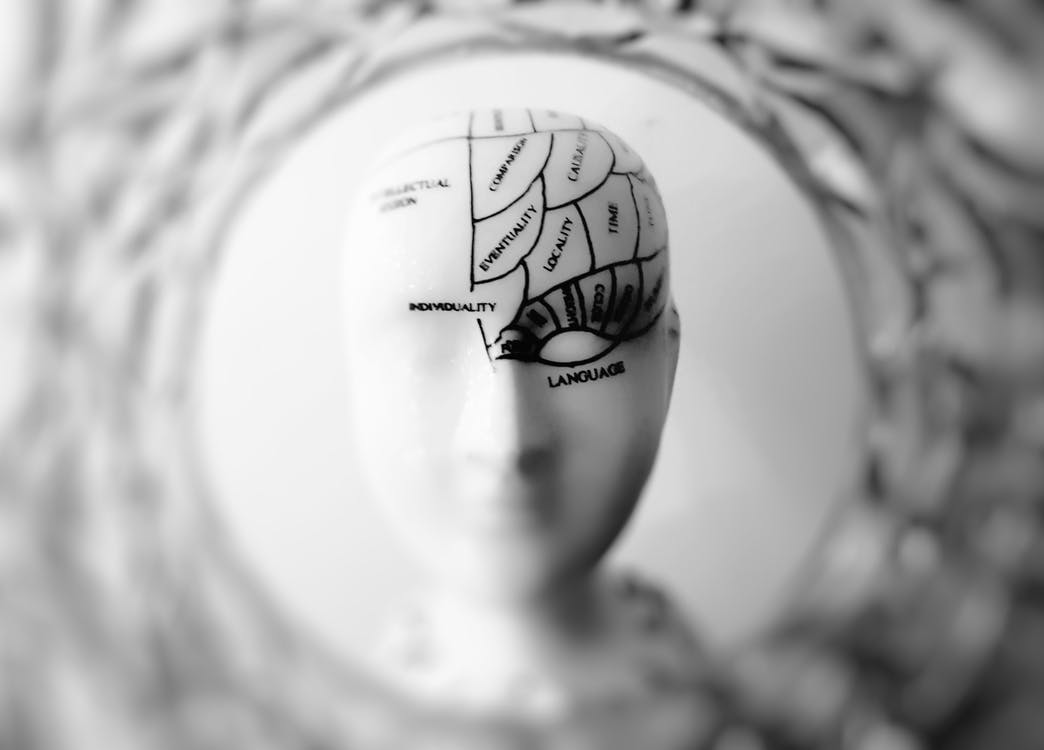
A great many people who have experience with psychedelic substances such as magic mushrooms, magic truffles, peyote, or LSD encounter the sensation of “letting go of the ego,” or breaking through the familiar sense of the boundary between oneself and the universe. Scientists at Maastricht University now believe they have discovered how psilocybin, the active chemical in magic mushrooms, causes the mind-expanding sensation that researchers call “ego dissolution.”
Read also: Vape enthusiast? This is what the future of vaping looks like!
Profound changes in our perception
The study, published in the journal Neuropsychopharmacology, shows that the effect of ego dissolution is linked to a neurotransmitter called glutamate. In the brain, glutamate acts as a sort of “switch” in that it helps spread neural signals that then travel through brain cells. According to this study, psilocybin may alter how many of those neural signals ultimately reach different parts of the brain. Those signals, in turn, could lead to profound changes in perception.
For the study, 60 participants were examined who had previous experience with psychedelic substances—but not within the past three months. They received 0.17 mg of psilocybin per kilogram, or a placebo. Meanwhile, their brains were monitored using various scans, such as an MRI.
In short, the study reveals a rather bizarre and impressive fact about our consciousness: altering a single biomolecule in our brains can profoundly change our subjective ability to perceive ourselves and how we experience the world.
Read also: DMT makes encounters with elves, aliens, and gods a reality
The difference between a good trip and a bad trip
An even more striking finding of the study was that glutamate activity levels in different brain regions are directly linked to a person’s experience with psilocybin—higher glutamate levels in the medial prefrontal cortex were associated with a negative experience involving egodissolution, while lower levels in the hippocampus were linked to a positive one. And it turns out that psilocybin causes both effects. These findings could therefore indicate that there is a very neurological difference between a good trip and a bad trip.
Although scientists have long suspected that glutamate played a key role in psilocybin’s impact on the brain, this study was the first double-blind, placebo-controlled experiment conducted on human participants to confirm and further investigate that hunch. The researchers’ ultimate goal is to determine whether psilocybin could be used for therapeutic purposes in the future.


