


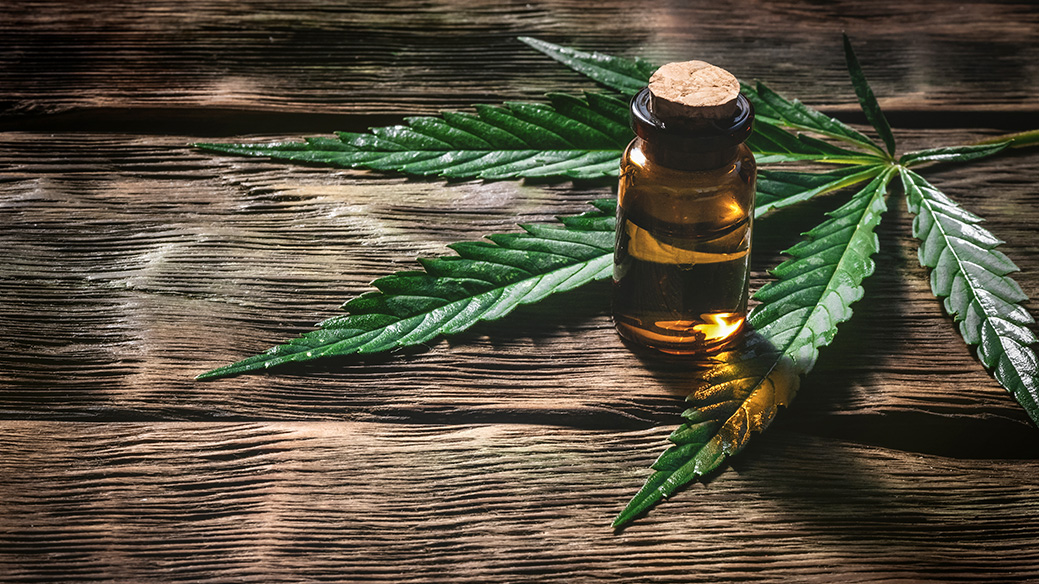
What we eat and where our food comes from are becoming increasingly important to us. For both health and environmental reasons, more of us are eagerly seeking nutritious and more sustainable alternatives to meet our needs. But did you know there’s one plant that has the potential to meet the demands of both nutrition and sustainability? Meet hemp!
 Let’s be honest: when you think of hemp, you think of marijuana. It’s no wonder, then, that hemp has been stigmatized for decades due to its undeniable association with this recreational drug. Often linked to its psychoactive cousin, hemp’s environmental and nutritional benefits are therefore frequently overlooked. The most nutritious part of the plant is the seed—which can be eaten or used to make milk and oil. Hemp seed oil should not be confused with CBD oil, a concentrated oil derived from the plant. Today, we’ll tell you why hemp is a perfect addition to your diet!
Read also: The spiritual benefits of magic mushrooms and other hallucinogens
Rich in protein
Ask any athlete what nutrient they’re looking for most, and the answer will almost always be “protein.” Hemp seeds contain almost as much protein as soybeans. Every 30 grams (g) of seeds, or about 3 tablespoons, contains a whopping 9.46 grams of protein. These seeds are a complete protein source, meaning they contain all nine essential amino acids. Amino acids, in turn, are the building blocks of proteins in the body. The body cannot produce nine of these acids, so a person must obtain them through diet. Relatively few plant-based foods are complete protein sources, making hemp seeds a valuable addition to a vegetarian or vegan diet. Additionally, hemp seeds are particularly rich in an amino acid called arginine, which offers numerous benefits.
Read also: 5 tips for a pleasant first psychedelic experience
Unsaturated fats
The health benefits of polyunsaturated fats, such as omega-3 fatty acids, are becoming increasingly well-known. Hemp seeds are an excellent source of essential fatty acids, a substance the body cannot produce on its own and must therefore obtain through diet. These fatty acids fit perfectly into a healthy diet. You can find more information about these substances at the Nutrition Center, for example. In general, people consume too many omega-6 fatty acids and too few omega-3 fatty acids, but adding hemp seeds to the diet can help restore balance.
Read also: People in Canada can now (legally) use magic mushrooms
Minerals and vitamins
Who wasn’t raised with the message that we should always get enough vitamins? Hemp seeds contain an impressive array of vitamins and minerals and are particularly rich in vitamin E, magnesium, phosphorus, and potassium. They’re also a great source of iron, zinc, and vitamin B. Just looking at vitamin E alone, you’ll quickly see that it’s a fantastic addition to your diet because of its benefits for your skin and hair. Moreover, hemp seeds are an excellent source of magnesium—an essential nutrient that plays a role in numerous bodily processes.
Read also: Good to know: Can you overdose on cannabis?
How to incorporate hemp into your diet?
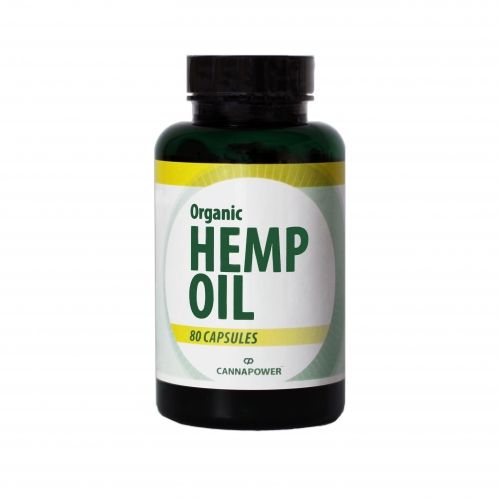
Hemp seeds can be eaten on their own, for example in a salad, baked into bread, or pressed for their oil. You can buy various forms of the plant at health food stores and online, but one of the easiest ways to add hemp to your diet is by using hemp oil capsules. Simply take these capsules with a glass of water, and you’ll soon start reaping the benefits of hemp’s amazing properties. Do you already have a bottle in your kitchen?


