


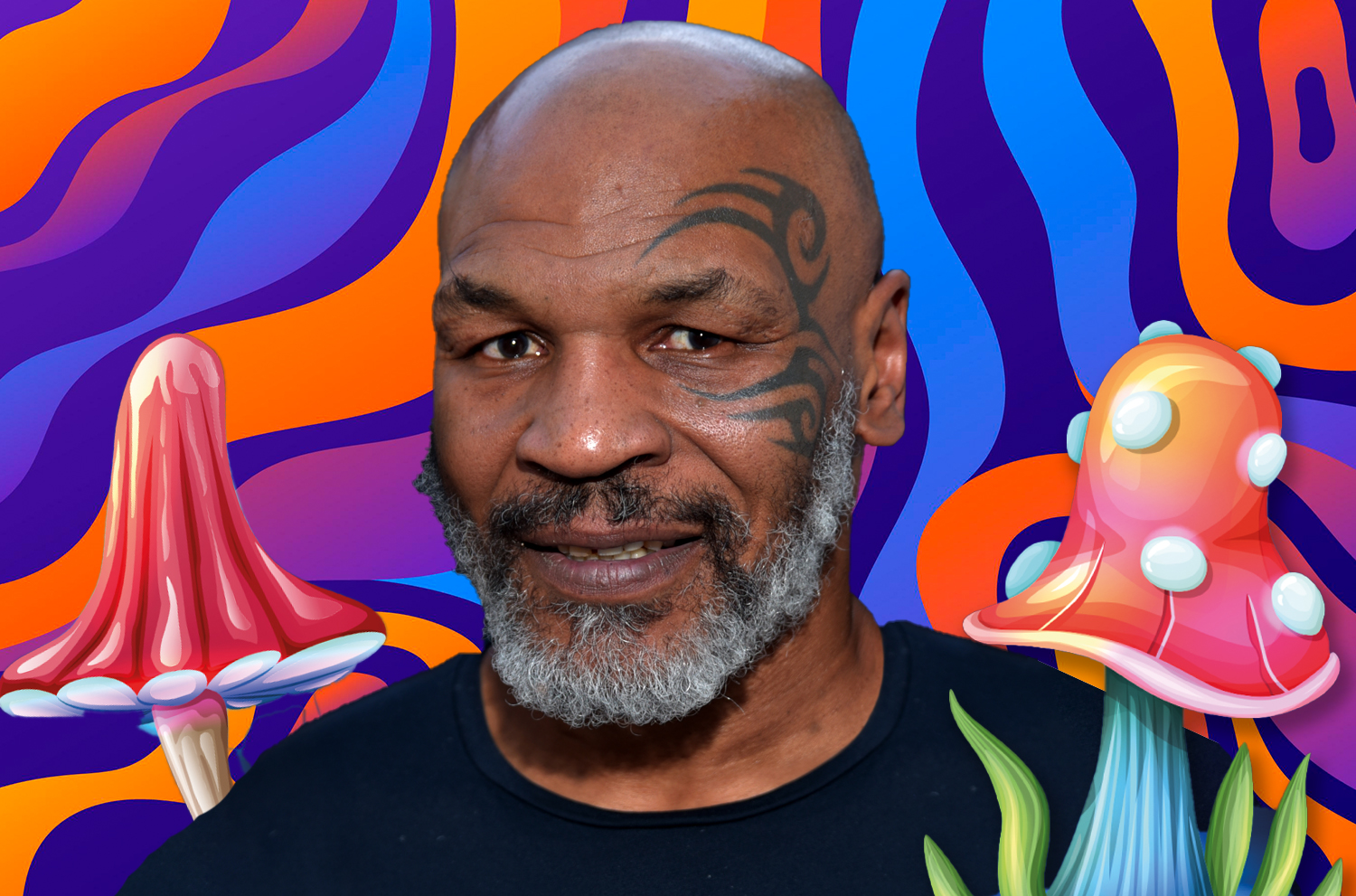
Fans of the growing global interest in psychedelics like mescaline, psilocybin, and DMT have a lot to look forward to. Not only does there seem to be increasing acceptance of their use, but even the scientific community appears to be recognizing the benefits of these remarkable substances. And now it also seems that the world of elite sports is slowly beginning to recognize the effects of psychedelics—which isn’t surprising given advocates like former boxing champion Mike Tyson.
Read also: Mike Tyson downed 5 grams of magic mushrooms during a podcast
‘Communicating with the gods’
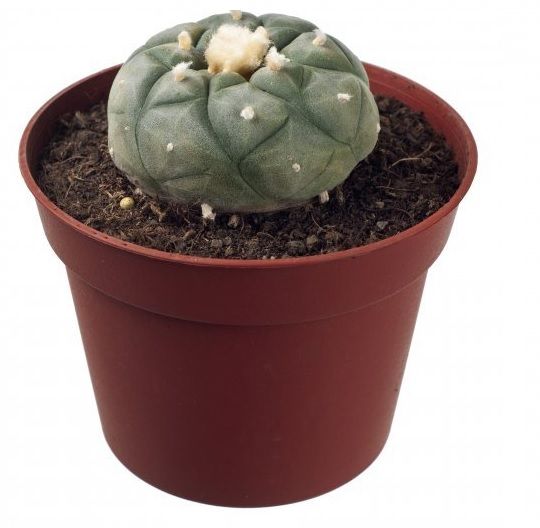 The peyote cactus plays a central role in many of the rituals of the indigenous Huichol tribe in Mexico. The bright colors and dreamlike symbols of their beadwork are reportedly inspired by the hallucinations experienced from ingesting the mescaline-rich cactus in shamanic rituals. “They create beautiful works of art with beads, paint, and sculpture. [By] taking peyote, they say they communicate with the gods for the design. I respect that,” says Mauricio Sulaimán, the Mexico-born president of the World Boxing Council [WBC].
Such expressions of support could very well make a difference in how psychedelics are viewed around the world in a few years. The WBC has, in fact, entered into a rather unlikely partnership with Wesana Health, the Chicago-based biotech company that develops psychedelic medications for the treatment of recurrent traumatic brain injury. And that’s quite remarkable—considering that psychedelic substances were previously mostly associated with hippies and other “alternative” groups.
Read also: Everything you need to know about magic mushrooms and magic mushroom grow kits
‘Making sports safer with psychedelics’
In fact, the WBC regularly requires random drug testing of its boxers. A partnership with a company that supports psychedelic substances like magic mushrooms therefore seems odd, especially when you consider that many of these substances are banned in the U.S. (unlike in the Netherlands, where psilocybin is commonly found in magic truffles ). “We know so little about what’s going on in the brain, so you have to be open to finding ways to make boxing and sports safer [and] what can be used to heal,” says Sulaimán.
By taking advantage of new laws in some U.S. states that have legalized psychedelics for medicinal use, Wesana Health CEO Daniel Carcillo hopes to develop a prescription drug that can help treat degenerative brain disorders that many athletes suffer from.
Read also: 5 reasons why magic mushrooms made Christmas
Life-changing experience
During his time as an NHL player, Carcillo was known as the “human bomb” because he was so hard-hitting on the ice. But a career in which he won two Stanley Cups with the Chicago Blackhawks also resulted in countless concussions. So much so that in 2015, at the age of 30, he retired with symptoms such as slurred speech, headaches, memory loss, extreme sensitivity to light, depression, and suicidal thoughts. These symptoms worsened after he hung up his skates for good.
Three weeks after planning how he would end his life, he decided to try psilocybin—the active ingredient in magic mushrooms—for the first time. Under supervision, he took a high dose that, in his own words, enabled him to confront the trauma in his life. He calls the therapy “life-changing.”
“His recovery sounds plausible and doesn’t surprise me,” says Matthew W. Johnson, professor of psychiatry and behavioral sciences at Johns Hopkins University and associate director of their leading center for psychedelics and consciousness research. “In our controlled studies, the success rates look really good. It’s not unusual for people in our sessions to have life-changing experiences with a long-lasting effect.” Johnson believes that psilocybin, in particular, will see a massive surge in popularity in the coming years.
Read also: This is how a single dose of ayahuasca can lead to lasting changes in the brain
Mike Tyson is also a big fan of psychedelics
As an advisor to one of the greatest fighters of all time, Mike Tyson, Wesana hopes to help foster acceptance of psychedelics. “I believe that if I had been introduced to the benefits of psychedelics for therapeutic use early in my professional career, I would have been a lot more stable in life,” Tyson told The Guardian via email. “I had a lot of public outbursts, and they were all related to a mental health condition. With psychedelics, I feel like I’m a happier, lighter version of myself.”
Tyson says that psychedelics have helped soften the blows he took in the ring and during sparring sessions. He could potentially be one of the first boxing veterans to participate in psychedelic studies. “We can help former fighters by enrolling them in clinical trials, which will help us better understand how subconcussive and concussive effects influence pathology… and the mental health conditions that many athletes suffer from,” says Carcillo. “Not just after the event, but with programs that also focus on the human performance aspect; how much we can get out of these monkey suits of ours.”


